E-Paper



Bhubaneswar police to scan fingerprints of people ‘moving suspiciously’ at night
DCP Prateek Singh said there was no cause for concerns over privacy since the police will not store the fingerprints of people.

 Prefer HTon Google


The Bhubaneswar police plan to use mobile fingerprint scanners to take fingerprint scans of people moving suspiciously in the state capital late at night and run the prints against prints in the police database, said Bhubaneswar deputy commissioner of police (DCP) Prateek Singh
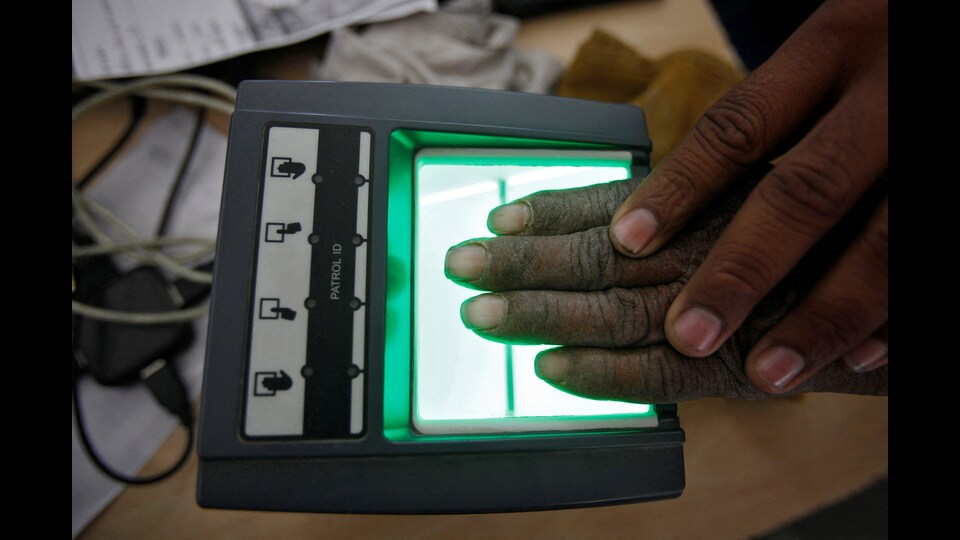
Singh said police personnel patrolling the streets at night would take the fingerprints of people deemed to be moving suspiciously. “We would then match the same with the fingerprints stored in our database to find out whether they were earlier arrested in any case or not. If the fingerprints match, the patrolling personnel will question their purpose of moving on the streets late in the night,” said Singh.
Fingerprints of thousands of people involved in property-related offences such as theft, snatching and robbery, have been stored in the database of the State Crime Records Bureau through Crime and Criminal Tracking Networks and Systems.
The portable fingerprint information systems have been given by the Ministry of Home Affairs under the Mobile-Crime and Criminal Tracking Network Systems (M-CCTNS) conceived in 2008.
Activists, however, expressed concern at the plan, saying it invades privacy of people and was not backed by law.
“There is no provision of fingerprint scan in IPC and by doing so through an executive order, police are violating the privacy rights of common citizens. There could be people coming out of airport, railway stations and bus stands at night and they can be stopped by cops for fingerprint scanning. Besides, police can start such activities at any time in the evening in the name of crime control. This is not done,” said human rights activist Biswapriya Kanungo.
DCP Prateek Singh said there was no cause for concerns over privacy since the police will not store the fingerprints of people.