E-Paper



BJD to reserve 27% of tickets for backward castes in 2022 panchayat polls
The BJD’s decision to give 27 per cent of the seats in panchayat polls for OBCs came two days after it demanded a central law empowering states to do away with the 50 per cent cap on the reservation and appropriate columns in the Census 2021 form for the identification of SEBCs.

 Prefer HTon Google


The Biju Janata Dal in Odisha on Friday may have become the first party in the country to announce reservation for OBCs in polls by announcing that it would give at least 27 per cent of its tickets to OBC candidates in the three-tier panchayat polls scheduled to be held in early 2022.
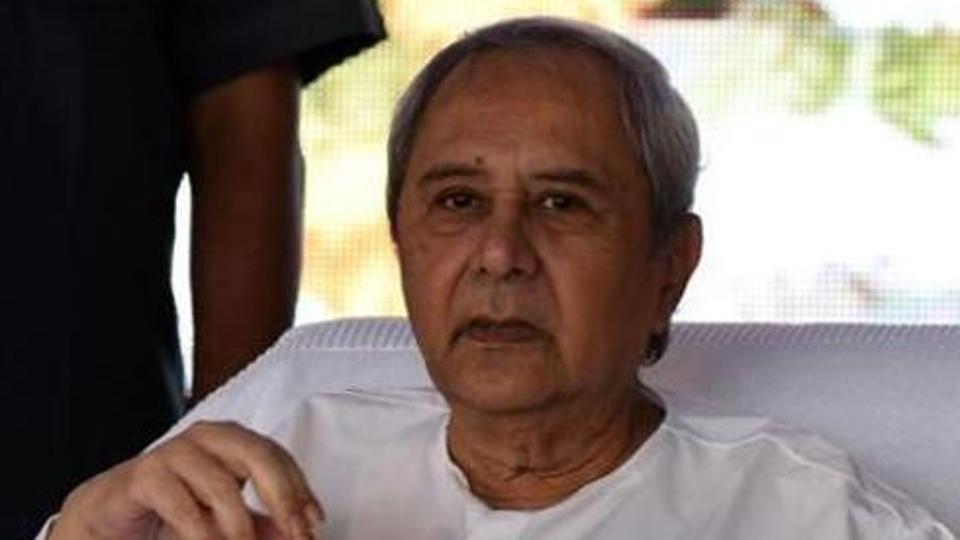
Food supplies minister and senior BJD leader Ranendra Pratap Swain said BJD president and chief minister Naveen Patnaik has decided to give 27 per cent of party tickets to OBCs/SEBCs starting with panchayat polls next year.
“It is a historic day for the people of Odisha as the ruling BJD has decided to reserve 27% of party tickets for socially and educationally backward candidates in all elections. Due to the cap on the percentage of reservation and as there is no central law to determine it, the BJD has taken a political decision to field 27 per cent OBC/SEBC candidates in panchayat and subsequent polls in the state,” said Swain, who himself is a backward caste leader. Another backward caste leader and state agriculture minister Arun Sahoo asked the BJP and Congress to follow suit if they really cared for this neglected population.
Panchayat polls are scheduled to be held in February next year and would determine the growth or decline of main opposition party BJP since it recorded a major rise in Zilla Parishad seats edging out Congress as the principal opposition party. Of the 851 Zilla Parishad seats that went to polls in 2017, BJP with 33 per cent vote share won 297 seats, which was 9 times its number of 2012. Zilla Parishads are the only tier of the Panchayati Raj system where elections are held on party symbols while the other two - Panchayat Samiti and Gram Panchayat - are fought at individual level, albeit with tacit support of one or other political parties.
The BJD’s decision to give 27 per cent of the seats in panchayat polls for OBCs came two days after it demanded a central law empowering states to do away with the 50 per cent cap on the reservation and appropriate columns in the Census 2021 form for the identification of SEBCs. The party had argued that the Supreme Court and the various high courts have struck down quota for OBCs on the ground that the policies were made without any scientific database on their population.
In February this year, it got the Odisha State Backward Classes (Amendment) Bill passed in the state assembly enabling the Backward Class Commission survey of the social and economic conditions of the backward classes in the state. Chief Minister Naveen Patnaik who tabled the Bill said it was important to have reliable data about the Backward Classes of the state as the last census was done in 1931 which is not enough for accurate and focused planning to reach out to the backward classes of the society.
Opposition BJP was swift to criticise BJD’s attempt at stirring the pot of OBC politics asking why the party was not taking the difficult step of implementing 27 per cent reservation for them in education and employment. “While many states have been providing 27 per cent reservation to OBCs, only 11.25 per cent of these categories of people are availing the benefit in government jobs in Odisha but not in education,” said BJP spokesperson Sonali Sahu.
Former Union minister Srikant Jena, who himself is a backward caste leader said Patnaik was making a virtue out of necessity. “As OBCs account for 54% of Odisha’s population, they are already contesting more than 27 per cent of the seats in the panchayat polls by virtue of their majority. In the last panchayat election, at least 35 per cent of the contesting candidates in Zilla Parishad polls were from backward castes. If he really wanted to help OBCs he could have announced 27 per cent reservation for them in government jobs. Instead of doing that he has tricked everyone,” alleged Jena.
Though caste has never been a factor in Odisha’s politics unlike Bihar, Uttar Pradesh, Rajasthan or Karnataka, BJD’s stirring the OBC pot may have been triggered by fears of opposition BJP trying to target them ahead of next year’s panchayat polls. Senior BJP leader and Union petroleum and natural gas minister Dharmendra Pradhan, himself an OBC, earlier this year wrote a letter to Patnaik urging him to reserve seats for students belonging to the OBC category and the socially and economically backward classes. In the last Lok Sabha election, BJP stressed on PM Modi’s OBC roots.
Many say Patnaik’s action is to prevent consolidation of Paikas or Khandayats (a militia caste) behind the BJP as a result of the party’s efforts in the last few years through several events including the 200th anniversary of the famous Paika rebellion against the British and a memorial for the fallen Paikas on the foothills of a mountain near Bhubaneswar. Khandayats are the martial race of Odisha who are also numerically superior with 22 per cent population. Though they figure in Odisha’s list of SEBCs, they are not in the central list of OBCs and hence excluded from any reservation.
BJD leaders, however, said they had little room for maneouvering after the Orissa High Court in 2017 quashed the Odisha Reservation of Posts and Services for (Socially and Educationally Backward Classes) Act that sought to reserve 27 per cent of the seats in government services for SEBC. The state government then reduced the reservation in government seats to 11.25% to keep it under 50 per cent as per the Supreme Court judgement in the 1993 case of Indra Sawhney vs Union of India which said that the total number of reserved seats/places/positions cannot exceed 50% of what is available.
The Naveen Patnaik government in 2012 panchayat polls had reserved 50 per cent of the seats in Panchayati Raj bodies. Ahead of the 2019 General Election, the BJD had given 33 per cent of Lok Sabha tickets to women candidates.