
 E-Paper



Can SC dissolve marriage on one partner’s request? 5-judge bench to decide
Section 13-B provides for divorce by mutual consent and mandatory period of 6 to 18 months is prescribed from the time of presentation of application for divorce to give sufficient time for the parties to reflect on their decision.


A five-judge constitution bench of the Supreme Court has decided to examine next week whether it has the power to set aside a marriage between two parties even when one of the parties does not consent .
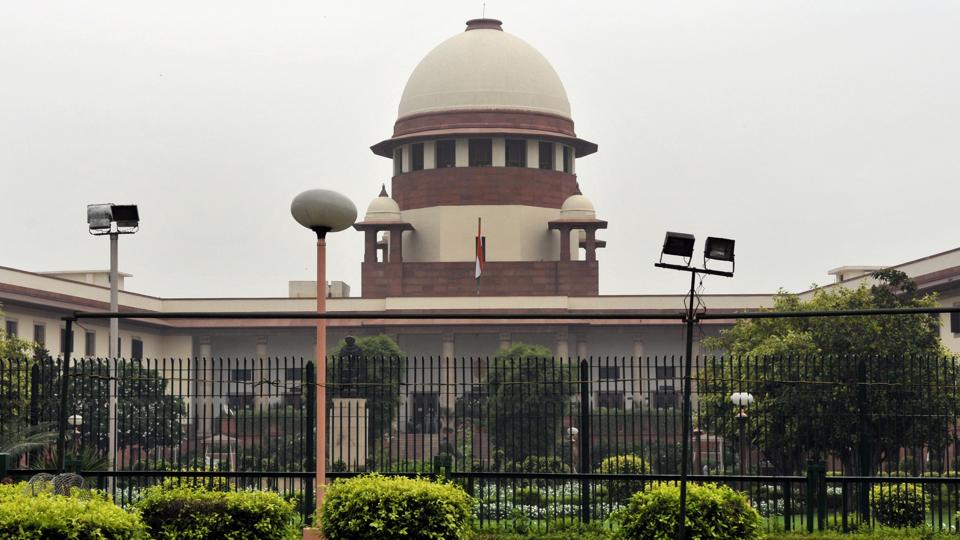
Formulating the issue, a constitution bench headed by justice Sanjay Kishan Kaul said, “We do believe that another question which would require consideration would be whether the power under Article 142 of the Constitution of India is inhibited in any manner in a scenario where there is an irretrievable breakdown of marriage in the opinion of the court but one of the parties is not consenting to the terms.”
The court posted the matter for hearing on September 28 and asked senior advocate V Giri assisting the court as amicus curiae (friend of court) to prepare his submissions on this point along with two other issues that formed part of the order of June 2016 referring the case to a Constitution bench.
The bench, also comprising justices Sanjiv Khanna, AS Oka, Vikram Nath and JK Maheshwari said, “The extraordinary power of the court under Article 142 is generally exercised when both parties agree to end the marriage. However, there could arise a situation when one of the parties is not agreeable.”
A two-judge bench that passed the June 2016 order referred two questions for the consideration of the constitution bench. The first question was, “What could be the broad parameters for exercise of powers under Article 142 of the Constitution to dissolve a marriage between the consenting parties without referring the parties to the family court to wait for the mandatory period prescribed under Section 13-B of the Hindu Marriage Act.”
Section 13-B provides for divorce by mutual consent and mandatory period of 6 to 18 months is prescribed from the time of presentation of application for divorce to give sufficient time for the parties to reflect on their decision.
The second question referred to the five-judge bench said, “Whether the exercise of such jurisdiction under Article 142 should not be made at all or whether such exercise should be left to be determined in the facts of every case.”
The June 2016 order appointed four senior lawyers as amici curiae. They included Indira Jaising, Meenakshi Arora, Dushyant Dave, besides Giri. The matter was heard on three occasions since then and even the views of the Attorney General were sought in the matter.
Due to passage of time, the court directed the registry to locate and place the opinion of the attorney general as also the submissions furnished to the court on earlier occasions by the next date of hearing.


