
 E-Paper



Good news for central govt staff: 30-day leave to take care of elderly parents, says minister
Under Central Civil Services (Leave) Rules 1972, employees can take up to 30 days of earned leave annually for personal reasons, Jitendra Singh tells Parliament

 Prefer HTon Google


Central government employees are allowed to take up to 30 days of leave annually for personal reasons, including caring for elderly parents, Union minister of state for personnel Jitendra Singh said in the Rajya Sabha on Thursday.
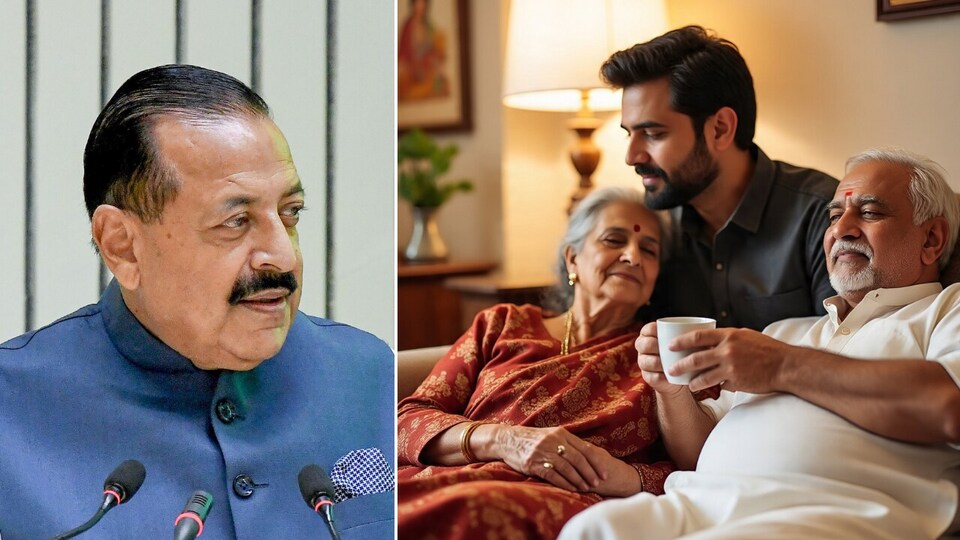
He was responding to a query in the Upper House regarding the provision of leave for the care of aged parents during the 4th day of the Monsoon session of the Parliament, when Singh said such a facility is already available under the Central Civil Services (Leave) Rules, 1972.
"The Central Civil Services (Leave) Rules, 1972 provides for 30 days of earned leave, 20 days of half pay leave, eight days of casual leave and two days of restricted holiday per annum, apart from other eligible leaves to a Central government employee, which can be availed for any personal reasons, including that of taking care of elderly parents," Singh said in a written reply, as quoted by news agency PTI.
What the CCS (Leave) Rules, 1972 say
The Central Civil Services (Leave) Rules, 1972, in force since June 1, 1972, govern leave entitlements for most Central government employees. However, they do not apply to specific categories such as Railway employees, casual or part-time workers, and members of the All India Services, who are covered under separate regulations. The rules outline 11 such categories where the provisions do not apply.
Types of leave available under service rules
Employees governed by the Central Civil Services (Leave) Rules, 1972 are entitled to several types of leave, including:
- Earned leave
- Half pay leave
- Commuted leave
- Leave not due
- Extraordinary leave
- Maternity and paternity leave
- Child care leave
- Study leave
- Special disability leave
- Seamen’s sick leave
- Hospital leave
- Departmental leave
Earned leave is credited to employees’ leave accounts in advance twice a year—on January 1 and July 1—and is debited when availed. Certain “special kinds of leave” are not debited from the leave account.
In addition to the statutory leaves, holidays such as casual leave, restricted holidays, compensatory offs, and special casual leave are regulated through executive instructions issued periodically by the government.


