E-Paper



Cheetahs from MP’s Kuno likely to be relocated to Gujarat’s Banni grasslands
Gujarat is preparing Banni grasslands in Kutch to receive five to six cheetahs from Kuno National Park, pending NTCA approval.

 Prefer HTon Google


Gujarat is preparing to receive five to six cheetahs from Madhya Pradesh’s Kuno National Park in the first phase of a proposed relocation to the Banni grasslands in Kutch, with the move awaiting final approval from the National Tiger Conservation Authority (NTCA).
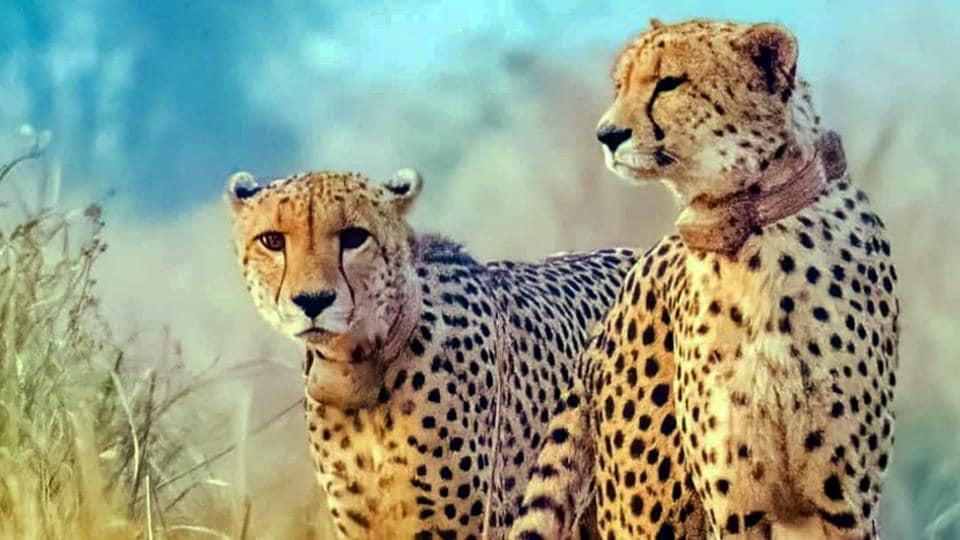
Officials said habitat assessments, veterinary infrastructure and soft-release enclosures are being readied as part of efforts to expand India’s cheetah reintroduction programme beyond Kuno.
“Most of the ecosystem in Kutch for introducing cheetahs is in place, with some final work remaining. While a fixed timeline cannot be given, we expect their arrival soon. The final decision will be taken by the NTCA, and preparations are underway at our end,” Gujarat minister for forest and environment Arjunbhai Modhwadia told HT.
NTCA teams have visited Banni multiple times in recent weeks to assess habitat suitability, prey base and overall readiness, officials aware of the development said. The visits followed an earlier inspection in March, after which a four-member team returned to review the project in detail and suggest specific requirements before any relocation is cleared.
The assessments focused on whether the Banni landscape can support cheetahs, particularly in terms of open terrain and prey availability. Teams also reviewed veterinary care systems, availability of medicines and emergency response mechanisms.
The Gujarat forest department was asked to put in place medical support and rescue facilities, including arrangements similar to those used in Gir National Park.
Preparations include quarantine and soft-release enclosures spread over about 50 hectares, which form part of a larger fenced area of around 600 hectares being developed at the site. Around 10 enclosures are being readied, along with tracking and monitoring systems.
A forest department official said the cheetahs proposed for relocation from Kuno were brought from Namibia, South Africa and Botswana under the reintroduction programme and underwent quarantine and acclimatisation before being released in phases.
The project, estimated at around ₹20 crore, is being funded by the Centre and includes development of enclosures, fencing, veterinary and monitoring infrastructure as part of a cheetah conservation breeding centre planned at the site.
Banni was identified among potential sites for cheetah reintroduction in India. Its savannah-like habitat, similar to East African landscapes, makes it suitable for the species. Historically, cheetahs were found in this region, with records of cheetah hunting in Saurashtra and Dahod until 1921, and references to their presence in Gujarat until the early 1940s.