
 E-Paper



Mehul Choksi’s cancelled ‘red notice’, Khalistani radicals may figure at Interpol meet
The 91st assembly will take place from November 28 to December 1 in Austria’s capital, where Interpol was created in 1923


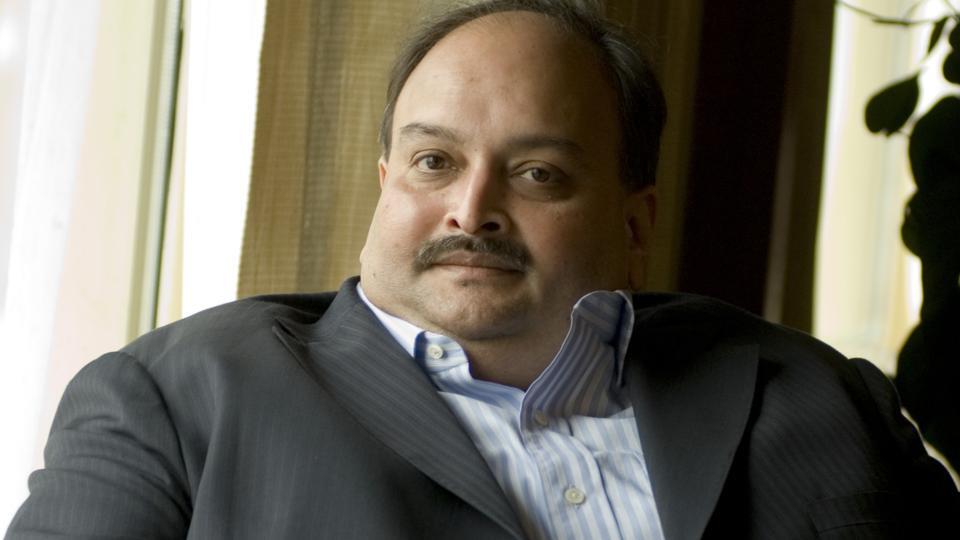
New Delhi: When delegates from 195 countries meet in Vienna next month for the 91st general assembly of Interpol, Central Bureau of Investigation (CBI) director Praveen Sood will take up the issue of cancelled red notice of diamantaire Mehul Choksi, as well as the need to act against other fugitives and criminals, including Khalistani radicals operating from nations like Canada, the UK, the US, Australia and Europe, people familiar with the development said.
The chief of India’s anti-corruption agency is also expected to ask international law enforcement agencies to fast-track the mutual legal assistance (MLA) requests, through which information or evidence is sought, so that investigations could be completed on time.
The 91st assembly will take place from November 28 to December 1 in Austria’s capital, where Interpol was created in 1923. The organization is celebrating 2023 as the 100th year of global police cooperation, and when the member countries meet next month, several key decisions on tackling emerging crimes, frauds, terrorism and corruption are expected to be taken.
“From India, the delegation is expected to be led by CBI director Praveen Sood. Seeking a status on India’s request to restore the red notice to Mehul Choksi would be a priority,” a government official said, declining to be named.
Interpol had issued a red notice against Choksi in December 2018, but withdrew in November last year after the accused in the Punjab National Bank scam approached the Commission for the Control of Interpol’s Files (CCF) in July 2022, alleging his abduction from Antigua and Barbuda by Indian agents in May 2021. CCF is an independent body that ensures all data processed through Interpol’s channels conform to the rules of the organization
The CBI has challenged the decision before the CCF, arguing that there were “serious shortcomings, procedural violations, overreach of mandate and mistakes committed by CCF in the manner of reaching this unfounded and perfunctory decision (of withdrawal of red notice).”
Interpol was “strengthening its compliance and review mechanism of red notices against fugitives,” organisation chief Jurgen Stock told HT in an interview in August.
It is unknown whether a bilateral meeting will be sought with the Royal Canadian Mounted Police (RCMP). Ties between Canada and India has been strained after the north American country alleged an Indian hand in the killing of Khalistani radical Hardeep Singh Nijjar in British Columbia.
“Pro-Khalistani elements indulging in violent and radicalization activities, smuggling of weapons and drugs to India, use of cyberspace for creating unrest and safety of Indian diplomats and missions and consulates in certain countries including Canada and the UK, the US and Australia will figure in India’s talks at the assembly,” a second official said on condition of anonymity.
During the 90th assembly of Interpol in New Delhi in October 2022, Prime Minister Narendra Modi chided the global body to speed up red notice requests for fugitive offenders. “Police and law enforcement agencies need to devise procedures and protocols to increase cooperation,” Modi had said. “Interpol can help by speeding up red notices for fugitive offenders.”
Interpol has for long faced criticism from Indian agencies for sitting on requests for red notices against wanted fugitives involved in terror attacks or high-value frauds. A red notice allows 195 member countries to track and persuade a country to arrest a fugitive in their respective jurisdiction. Currently, over 200 red notices related to criminals wanted by the CBI are available in the Interpol database.
Cooperation with Interpol has increased in the past couple of years due to aggressive lobbying by New Delhi, officials said. Data seen by HT suggests over 60 fugitives have been brought back from foreign countries since 2021.
Besides acting against fugitives, Sood and his team will seek cooperation from Interpol members in responding to MLA requests for help in investigation, prosecution, or identification proceeds of crime in their geographies.
During the G20 anti-corruption working group meetings earlier this year, Indian officials told several countries the challenges faced in executing MLA requests include differences in legal frameworks, lengthy bureaucratic processes, identification of correct (request) executing authority, poor quality of incoming MLA requests, unavailability of good translation of request and absence of effective communication channels.
India suggested direct communication between the investigation agency and the executing agency (agency-to-agency cooperation) abroad and pre-consultation before sending a formal request.


