
 E-Paper



Congress alleges SEBI chief received ₹16.8 Cr from ICICI Bank
The Congress asked how the top authority of a regulatory body could ethically take income from an entity it regulates

 Prefer HTon Google


The Congress on Monday accused Securities and Exchange Board of India (SEBI) chairperson Madhabi Puri Buch of holding an office of profit at the ICICI Bank and receiving ₹16.8 Cr in substantial benefits from the bank and its subsidiaries.
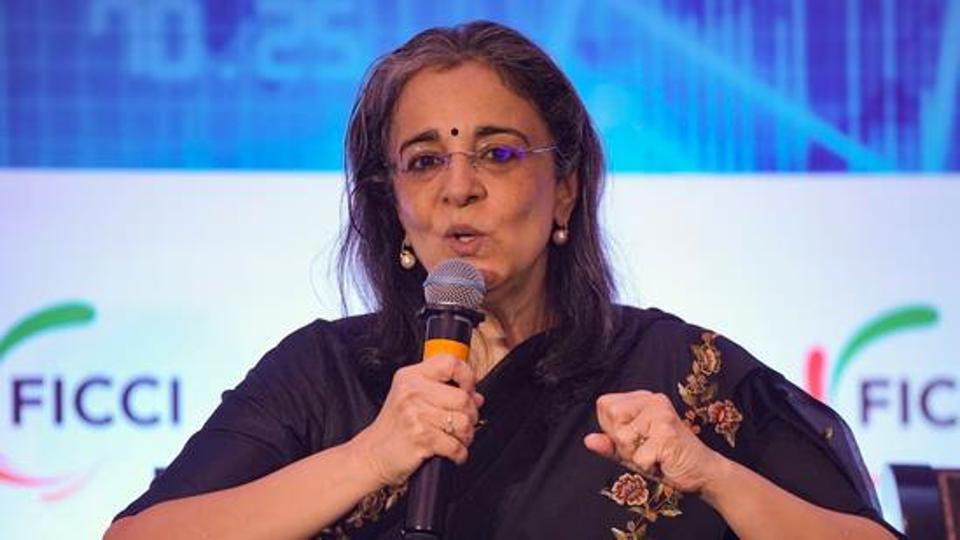
Addressing a press conference in Delhi, Congress leader Pawan Khera alleged that between 2017 and 2024, Buch received ₹12.63 crore from ICICI Bank, ₹22.41 lakh from ICICI Prudential, ₹2.84 crore from Employee Stock Ownership Plans (ESOPs), and ₹1.10 crore in Tax Deducted at Source (TDS) payments from ICICI, in addition to her salary from SEBI, which totaled ₹3.3 crore.
“This is not just impropriety; this is illegality,” he said, demanding to know what services Buch provided to ICICI in exchange for these payments.
Khera questioned how the top authority of a regulatory body could ethically take income from an entity it regulates, and said, “Anyone with a little shame would not wait to give a resignation after this exposure.”
Khera highlighted specific instances of the payments, noting that in 2017-2018, Buch received ₹2.06 crore from ICICI Bank, ₹7 lakh from ICICI Prudential, and ₹35.26 lakh from SEBI. These payments continued annually, with amounts allegedly coming from ICICI Bank, ICICI Prudential, and employee stock ownership plan (ESOPs), even after Buch assumed the role of SEBI chairperson.
According to Khera, from the year 2021-2022, the now SEBI chairperson did not receive any salary from ICICI Bank but instead started receiving ESOPs with ₹2.66 crore in ESOPs and ₹1.03 crore in Tax Deducted at Source (TDS) from ICICI, in addition to ₹35.85 lakh from SEBI that year.
Khera’s allegations extended beyond Buch to question the process of her appointment as SEBI Chairperson. “Questions shouldn’t be asked just to SEBI, chairperson, or ICICI; questions should be raised against the Prime Minister,” he said, asking Prime Minister Narendra Modi and Union home minister Amit Shah, both members of the Appointment Committee of the Cabinet (ACC), whether the ACC, led by the Prime Minister, was aware of these financial ties.
Khera posed a series of questions against the Prime Minister: “What is the fit and proper criteria for the appointment of heads to regulatory bodies? Has the ACC, led by the PM, gone through these shocking facts about the SEBI CP, or is the ACC completely outsourced to the PMO?” He also questioned whether the Prime Minister was aware that Buch was holding an office of profit while receiving income from ICICI, a company whose cases SEBI was adjudicating. Khera further accused SEBI of changing its guidelines to support ICICI, citing a report from the Economic Times.
Khera asked ICICI if the bank ever declared these payments to Buch and what it received in return. He asked whether ICICI bypassed its own ESOP rules to provide benefits to Buch while she was a SEBI member and asked whether this information was disclosed in their annual reports according to Listing, Obligations, and Disclosure Requirements (LODR).
Khera challenged SEBI to disclose if any other companies were providing similar benefits to SEBI members or their family members. Asked about the source of this information, he said, “I challenge them to prove it wrong.” He called for transparency and accountability, demanding answers not just from SEBI and ICICI but also from the highest levels of government.
There were no immediate reactions available from Buch, ICICI or the government to Khera’s allegations.
On August 10, Hindenberg Research released a report claiming that the SEBI chief and her husband had investments linked to offshore firms allegedly operated by the Adani group for stock price manipulation and financial fraud. However, Buch and her husband denied these accusations. “Our life and finances are an open book. All disclosures as required have already been furnished to SEBI over the years. We have no hesitation in disclosing any and all financial documents, including those that relate to the period when we were strictly private citizens, to any and every authority that may seek them. Further, in the interest of complete transparency, we would be issuing a detailed statement in due course,” they said.


