E-Paper



Constitution in everyday lives: On R-Day, how people on Delhi's streets see their rights, ‘It’s not just some book'
HT spoke to a cross-section of people in Delhi about how they define the rights in everyday lives.

 Prefer HTon Google


"The Constitution is not something locked inside books. It is alive in how safely we breathe, how freely we speak, and how equally we are treated every day,” Tanya Chaudhary, a 27-year-old psychologist and resident of Delhi, told HT as we spoke to a cross-section of people in Delhi about how they define the rights in everyday lives.
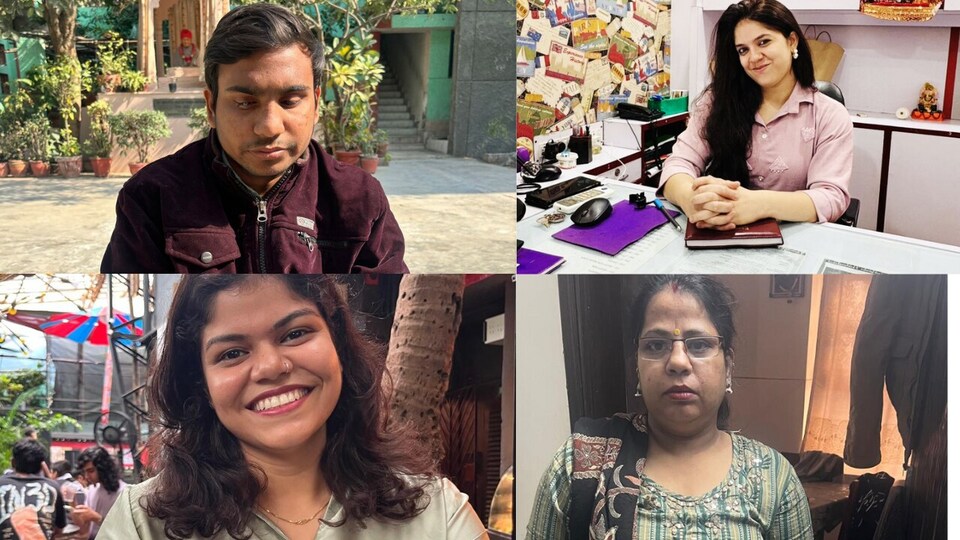
Drafted after lengthy debate and adopted in 1950, the Constitution laid down fundamental rights to ensure dignity, equality, and freedom for every citizen. More than seven decades later, these rights continue to evolve through court interpretations, adapting to modern challenges while remaining rooted in the original vision.
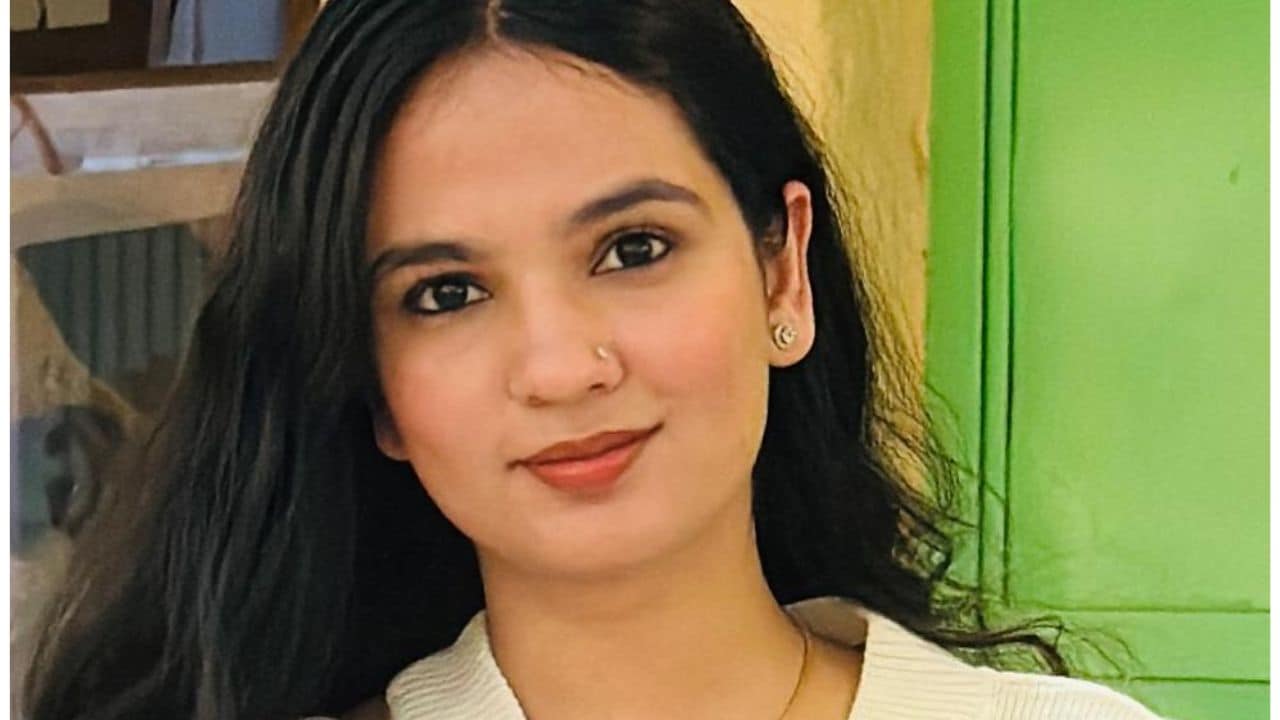
Here are some definitions and thoughts that emerged in this correspondent's conversations with people in the Capital with varied backgrounds.
Right that lives in every breath
“I don’t smoke, but my lungs feel like I do,” Ankit Mehra, a 20-year-old college-going student from Delhi, told HT.
Also read| January 26, 1950: How India celebrated its first Republic Day: 'It was the people’s day'
Article 21 guarantees the Right to Life and personal liberty. Courts have repeatedly held that this right includes clean air, safe roads, and access to healthcare.
Recent news reports on rising air pollution levels in Indian cities have again highlighted how environmental failures threaten the right to life.
“Children, street vendors, traffic police—they are the first to suffer. When air becomes poisonous, it is no longer an environmental issue. It is a constitutional issue,” Mehra said.
At a busy roadside tea stall in Greater Kailash, a 37-year-old owner, Ramesh Kumar, shared a similar concern. “I stand here 10 hours a day. I cannot choose for clean air to appear before I work. My livelihood depends on this spot,” he said, pointing to the constant stream of vehicles.
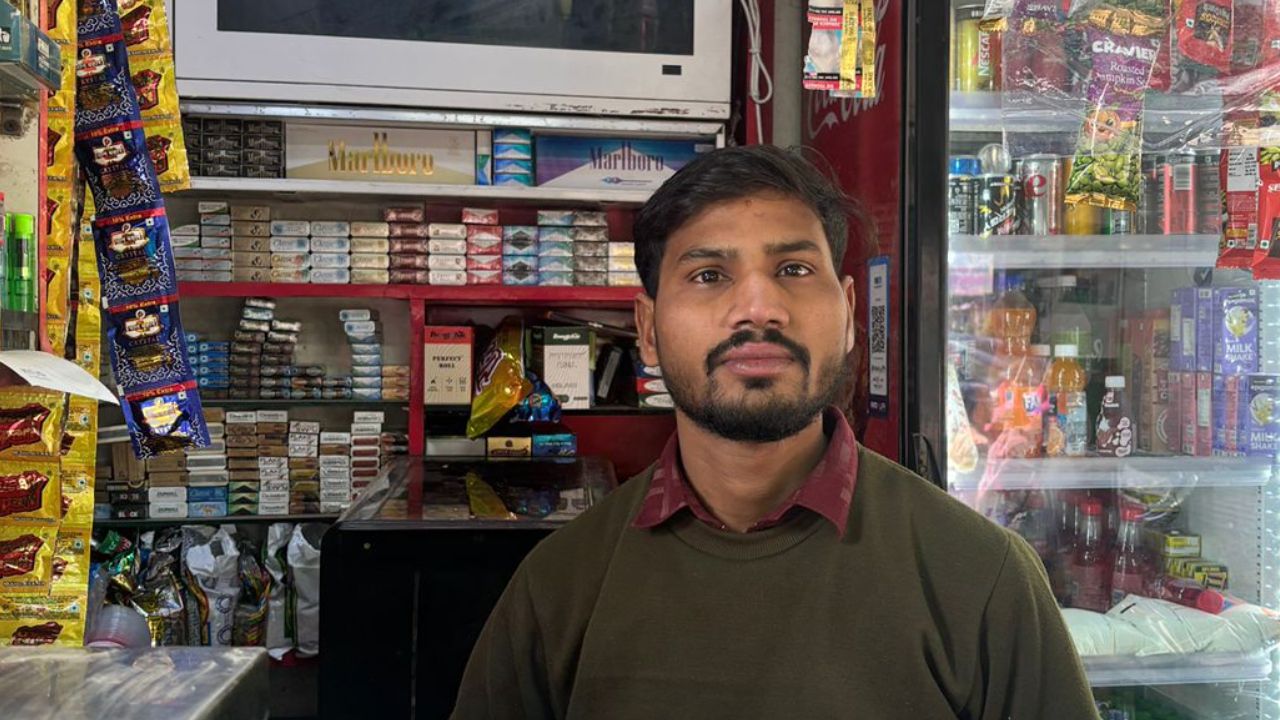
Ramesh, when asked about the right to life, said it is “tested daily” in every breath he takes.
Across cities, news reports frequently highlight broken footpaths, open drains, and unsafe roads — recently spotlighted by the case of a young engineer losing his life after his car fell into a construction pit.
For pedestrians, especially the elderly and disabled, infrastructure failures can be life-threatening.
Shanti Devi, a 45-year-old domestic worker in Paschim Vihar, recalled falling on a broken pavement while returning from work. “I broke my wrist. I missed two months of wages. Who is responsible for this?” she asked.
Dignity without discrimination
Article 14 promises equality. In everyday life, this could also translate to equal access to basic civic services.
In recent years, several cities have introduced Pink Toilets for women and accessible washrooms for persons with disabilities. These developments are often reported as civic improvements, but their constitutional importance is deeper.
“For years, we avoided drinking water during work hours,” said Sarla, a 32-year-old helper at a private company's office in Central Delhi. “There were no clean toilets for women at worksites. Now, at least in some areas, things are improving.”
Public transport is another space where equality is tested daily.
Rishi, a 17-year-old, visually impaired class 12 student, says, “When the metro has special seats and arrangements for us, it makes me feel independent and visible,” he told HT.
Meanwhile, Kavita, a 40-year-old domestic helper who travels long distances for work in Central Delhi, highlights women’s safety as an important issue. “Reserved seating and better lighting inside buses matter. Safety is also equality,” she said.
Free to speak, move, gather
Articles 19 to 22 guarantee freedoms of speech, movement, assembly, and expression, subject to reasonable restrictions. Recent news reports on Delhi pollution protests and student demonstrations have brought the right to protest into focus.
A Delhi University student who chose to stay anonymous said, "I took part in the Delhi pollution protest, and that day I realised how free, or not, my opinions and voice are."
Freedom today also lives online. Shreya Yadav, a 27-year-old YouTube vlogger, added, “The Constitution gives me daily freedom to speak on justice and joy, strength against trolls, and power to share my progressive voice.”
At the same time, Tarang Sahani, a 27-year-old counsellor at a private school, stresses the need for responsibility while exercising free speech. “Freedom of expression is extremely powerful, but it also comes with accountability. What we say or share can influence young minds and shape opinions. It should never turn into abuse, hate, or the spread of misinformation, because careless words can cause real harm to individuals and society as a whole.”
The Constitution protects expression but also expects maturity from citizens. Ramesh, the street vendor, put it simply: “Rights don’t matter only in courts. They matter where people live and work.”