
 E-Paper



Corporators at Taj, 'bargain' with BJP and a 'jail' jibe: Decoding the Mumbai mayor row
At the centre is Maharashtra deputy chief minister Eknath Shinde, who on Sunday night met his party’s 29 new corporators lodged at Taj Land’s End in Bandra.

 Prefer HTon Google


BMC Mayor row: The contest for the mayor's chair in India's richest civic body has revived familiar tropes of Maharashtra politics - hotel rooms, razor-thin numbers and sharp exchanges - after the BJP–Shiv Sena (Shinde faction) combine scraped past the majority mark in the Brihanmumbai Municipal Corporation (BMC) elections.
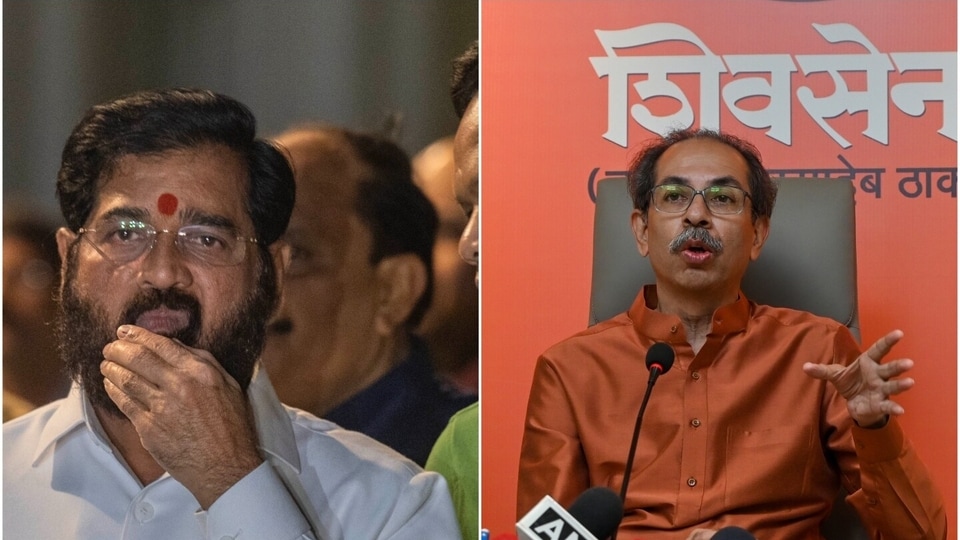
At the centre of the churn is Maharashtra deputy chief minister Eknath Shinde, who on Sunday night met his party’s 29 newly elected corporators lodged at Taj Land’s End in Bandra. Declaring the outcome a foregone conclusion, Shinde said Mumbai would have a Mahayuti mayor, adding that neighbouring civic bodies such as Kalyan-Dombivli would also follow suit.
Why the hotel move?
The Shiv Sena (Shinde faction) says the Bandra stay is a three-day orientation for first-time corporators - 20 of the 29 are new - before they are formally registered with the Konkan divisional commissioner. The opposition is unconvinced.
The BJP emerged as the single-largest party with 89 seats in the 227-member House, while Shinde’s Sena added 29, taking the Mahayuti tally to 118 - just four seats above the halfway mark of 114. With margins this tight, party managers are acutely aware that even a small defection could complicate the mayoral vote.
Sena leaders privately concede the hotel move is also meant to guard against last-minute poaching.
Also read - Mumbai mayor suspense on, Eknath Shinde guards his corporators: Why BJP-Sena are worried after majority too
‘Bargaining’ charge and the ‘jail’ jibe
The opposition Shiv Sena (UBT) alleges the Bandra huddle masks bargaining with the BJP over the mayor’s post. Sena (UBT) MP Sanjay Raut escalated the attack, dubbing the hotel a “jail” and demanding the “release” of corporators, arguing that Shinde, despite being deputy CM, fears losing his flock.
Shinde rejected the charge, insisting his party is “fearless” and turning the jab back on rivals by hinting that some opposition corporators may be the ones who turn “untraceable” on voting day. Industry minister Uday Samant echoed that line, suggesting abstentions or cross-voting could spring surprises.
The BMC mayor math
Formally, the mayor is elected by corporators, with the ruling side deciding who occupies the chair. While the Mahayuti crosses the threshold, the cushion is slim enough to keep nerves frayed. The opposition points out that a hypothetical united front - Sena (UBT), MNS, Congress and others - would still fall short, but not by much.
Also read: How is Mumbai mayor elected? City to get First Citizen after four-year hiatus
The Sena (Shinde faction) insists the polls were fought as an alliance and says every party naturally seeks the top civic post. Party sources also note the symbolic weight of the coming birth centenary year of Shiv Sena founder Bal Thackeray, bolstering their claim.
Within the BJP, there is quiet introspection. The party had set ambitious pre-poll targets but finished with 89 seats, short of a standalone majority, after revised seat-sharing with the Sena. Leaders cite coordination gaps, candidate selection and the opposition’s “Marathi manoos” pitch as factors behind the underwhelming tally.
Uddhav keeps the door ajar
Despite losing control of the civic body, Sena (UBT) chief Uddhav Thackeray has kept speculation alive, saying his party could still have a mayor “if God is willing,” a remark that triggered a jocular retort from chief minister Devendra Fadnavis about whether “Deva” referred to him or the divine.
Opposition leaders argue the numbers would look different had the Sena not split: taken together, the two Sena factions would have outpolled the BJP. For now, though, arithmetic - and guarded corporators - favour the Mahayuti.


