
 E-Paper



Covid-19: Centre exempts fisheries sector from lockdown
The exemptions include feeding and maintenance of fisheries, harvesting, processing, and packaging. It also covers cold chain, sale and marketing, hatcheries and movement of fish and marine food products.


The Union government on Saturday exempted the fisheries and the marine food industry from the ongoing 21-day nationwide lockdown to contain the spread of coronavirus disease (Covid-19).
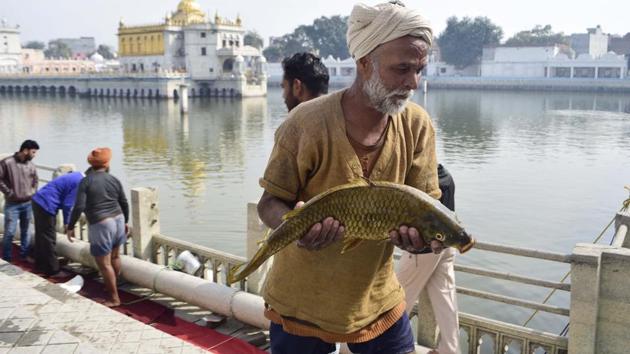
The government issued a fresh list of exemptions as they form a part of the farm-to-fork supply chain.
Fisheries is a part of the agriculture sector and along with aquaculture production contribute around 1% to India’s gross domestic product (GDP) and over 5% to the agricultural GDP.
The exemptions include feeding and maintenance of fisheries, harvesting, processing, and packaging. It also covers cold chain, sale and marketing, hatcheries and movement of fish and marine food products.
“As specified in the lockdown measures, social distancing and proper hygiene practices must be maintained in each of the above activities,” an order of the Union Ministry of Home Affairs (MHA) stated while exempting the fisheries sector.
An official of the animal husbandry department said keeping in view of the potential fisheries resources in the aquaculture, inland fisheries, coastal and marine fisheries, the Centre will continue administering schemes under the umbrella “Blue Revolution Scheme” for the overall development of the sector.
The Centre has over the past week has taken a series of steps to shore up the agriculture sector in view of the lockdown.
The Centre on Friday recommended states to suspend certain provisions of their respective Agriculture Produce Market Committee (APMC) Acts for three months to allow farmers to sell their harvest from multiple locations and to any buyer.
The APMC Act regulates buying and selling of farm produce in about 5,000 mandis or markets across the country, which fall squarely in the domain of the state. The Act empowers states to notify markets to cater to a specific area and farmers can sell in their designated markets only.
“Farmers should be able to sell to any buyer. Otherwise, all farmers of an area will converge on a single market, which will obstruct the principle of social distancing,” Union Minister of Agriculture & Farmers Welfare Narendra Singh Tomar had said in a press conference held via video link. “States have been requested to sidestep this mandi Act for three months,” the minister added.
Procurement of wheat is slated to start on April 15. The Centre has also asked states to start procuring 25% of pulses and oilseeds under its price support scheme.
On April 9, the agriculture ministry issued orders, invoking the market intervention scheme, which will allow the Centre to compensate horticulture farmers for a dip in wholesale prices and damages to harvested fruits.


