E-Paper



Covid-19 vaccination is voluntary, says health ministry
The first group includes healthcare and frontline workers. The second group to receive Covid-19 vaccine will be persons over 50 years of age and persons under 50 years with comorbid conditions such as hypertensive, diabetic, people with chronic liver and kidney disease

 Prefer HTon Google


Vaccination against Coronavirus disease (Covid-19) as part of national vaccination drive is voluntary, reiterated Union ministry of health and family welfare in its recently released document to answer public queries in the form of frequently asked questions (FAQs).
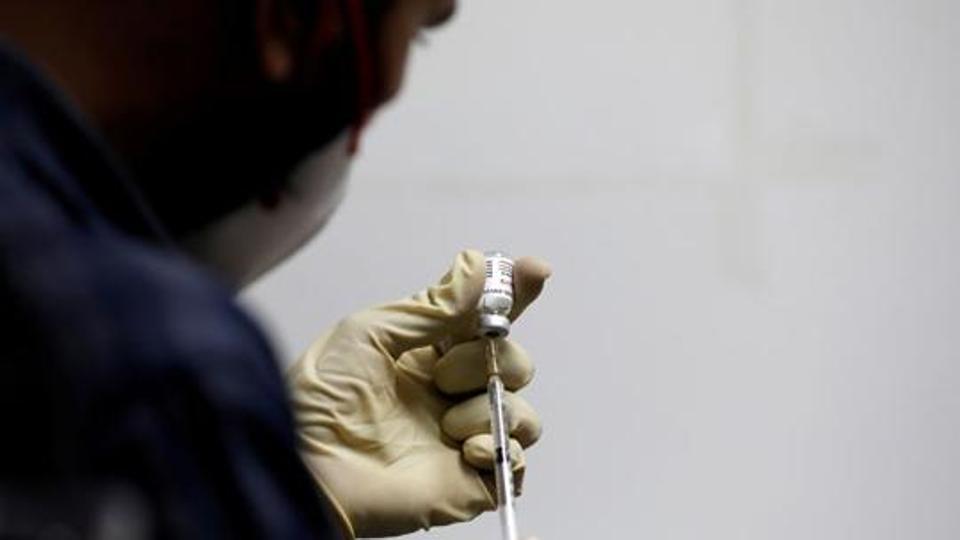
“Vaccination for Covid-19 is voluntary. However, it is advisable to receive the complete schedule of Covid-19 vaccine for protecting oneself against this disease and also to limit the spread of this disease to the close contacts including family members, friends, relatives and co-workers,” says the government document.
A senior health ministry official, in the know of things, who did not wish to be named, said, “The government never said it was mandatory to take the vaccine shot; it is absolutely on voluntary basis even for the population group. However, the government is ensuring that whatever choice people make is informed, which is why a lot of effort is being directed towards awareness generation.”
While ideally, the government would like to cover everyone in phases, the priority group for Covid-19 vaccine delivery in phase 1 is being drafted keeping in mind vaccine availability.
Also read | China to vaccinate 50 million people for Lunar New Year
On phase 1 priority list are people at higher risk. The first group includes healthcare and frontline workers. The second group to receive Covid-19 vaccine will be persons over 50 years of age and persons under 50 years with comorbid conditions such as hypertensive, diabetic, people with chronic liver and kidney disease, as per the recommendation of technical experts handling Covid-19 vaccine management.
The reason for including the more than 50 years of age group for vaccination is that it will be able to cover 78% of persons having comorbidities and thereby, reduce mortality on account of Covid-19.
The eligible beneficiaries will be informed through their registered mobile number regarding the health facility where the vaccination will be provided and the scheduled time for vaccination, to avoid any inconvenience in registration and vaccination.
On getting all doses of Covid-19 vaccine, the beneficiary will receive a text on their registered mobile number, informing about completion of the process. A QR code-based certificate will be sent to the registered mobile number of the beneficiary.
However, the vaccine is not advisable for people who are presently infected with Covid-19. “Person with confirmed or suspected Covid-19 infection may increase the risk of spreading the same to others at vaccination site. For this reason, infected individuals should defer vaccination for 14 days after symptoms resolution,” says the document.
Those recovered from the disease can take the shot. “It is advisable to receive complete schedule of Covid vaccine irrespective of past history of infection with Covid-19. This will help in developing a strong immune response against the disease,” the document says.
Two doses of vaccine, 28 days apart, need to be taken by an individual to complete the vaccination schedule. Protective levels of antibodies are generally developed two weeks after receiving the second dose of Covid-19 vaccine.
To allay safety concerns among people regarding the vaccine, the document says, “Vaccines will be introduced in the country only after the regulatory bodies clear it based on its safety and efficacy.”
The safety and efficacy data from clinical trials of vaccine candidates are being examined by the national drug regulator before granting the license for its use on public at large. Hence, all the Covid-19 vaccines that receive license will have comparable safety and efficacy. However, it is necessary that the entire schedule of vaccination is completed by only one type of vaccine as different Covid-19 vaccines are not interchangeable.
Any of the following identification details with photo can be produced at the time of registration: driving license, health insurance, smart card issued under the scheme of labour ministry, Mahatma Gandhi National Rural Employment Guarantee Act (MGNREGA) job card, official identity cards issued to MPs/MLAs/MLCs, PAN card, passbooks issued by bank, post office, passport, pension document, service ID issued to government employees, and Voter ID.
Those vaccinated will have to rest at the vaccination centre for at least half an hour after taking the Covid-19 vaccine. In case of any discomfort or uneasiness, they will have to inform the nearest health authorities, auxiliary nurse midwife, accredited social health activist.
“As is true for other vaccines, the common side effects in some individuals could be mild fever, pain, etc. at the site of injection. States have been asked to start making arrangements to deal with any Covid-19 vaccine-related side-effects as one of the measures towards safe vaccine delivery among masses,” says the document.
People will have to continue following key Covid appropriate behaviours, such as wearing of mask, maintaining hand sanitisation and physical distance, even after vaccination.