
 E-Paper



Delhi LG proposes linking insurance premiums to traffic violations
Delhi LG has said that linking insurance premiums to traffic violations would improve driving behavior, citing examples from the United States and Europe.

 Prefer HTon Google


In a move to deter traffic violations and improve road safety, Delhi lieutenant governor VK Saxena has urged Union finance minister Nirmala Sitharaman to link vehicle insurance premiums to the number of recorded traffic offences.
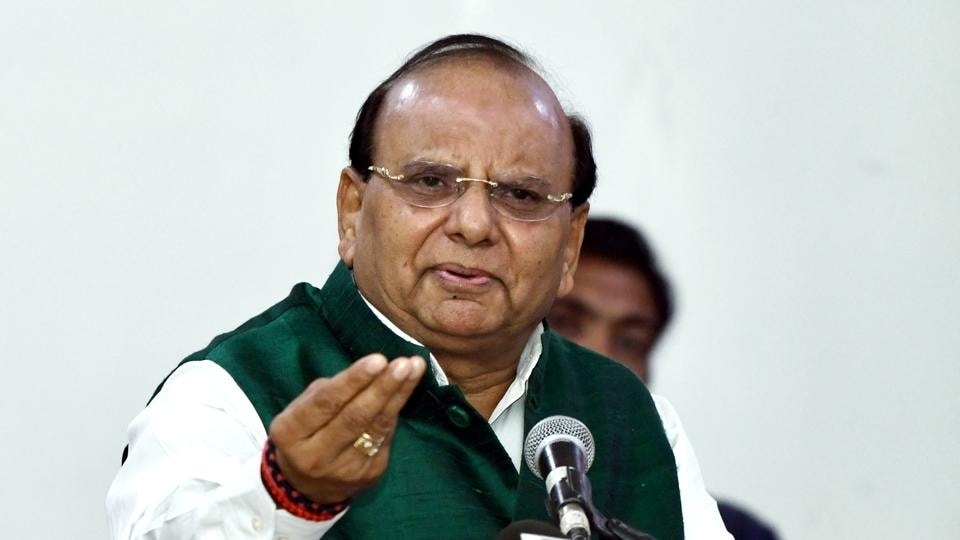
Saxena has pointed out that similar measures have been successfully implemented in countries like the United States and various European nations.
“I would like to suggest for your consideration that insurance premium should be index linked with the number of traffic violations recorded against a vehicle, which would have a salutary impact on road safety and traffic discipline,” Saxena wrote in his letter.
According to the ministry of road transport and highways (MoRTH), India witnessed over 4.37 lakh road accidents in 2022, leading to approximately 1.55 lakh fatalities.
Over-speeding was responsible for nearly 70 percent of these accidents, while violations like red-light jumping also played a major role in fatal incidents.
Saxena also mentioned that analysis of accident data by the World Bank indicates that vehicles with multiple traffic violations have a 40 percent higher risk of being involved in fatal crashes compared to those with a clean driving record.
He has also referenced a 2023 report from the Delhi Traffic Police, which indicated that 60 percent of fatal road accidents involved vehicles that had previously been fined for traffic violations, mainly over-speeding and red-light jumping.
“There is an obvious correlation between repeat traffic offences and the risk of accidents. I would therefore suggest that a layered insurance premium system based on the frequency and severity of traffic violations as recorded in MoRTH'S VAHAN database may be introduced. A vehicle that has been frequently challenged for offences such as over-speeding, red light jumping and dangerous driving should be obligated to pay the higher insurance premium,” he added.
The Delhi LG said this financial deterrent would encourage better driving behaviour and that similar measures have been successfully implemented in countries like the United States, where insurance premiums can rise by 20 percent to 30 percent due to traffic violations and speeding tickets.


