
 E-Paper



Delhi records best air quality of the year with AQI at 56
Experts attribute the improved air quality to rains and changing wind patterns as monsoon rains approach the national capital.


The Air Quality Index (AQI) in the national capital was at its lowest this year on Sunday, with PM 2.5 levels at 56.
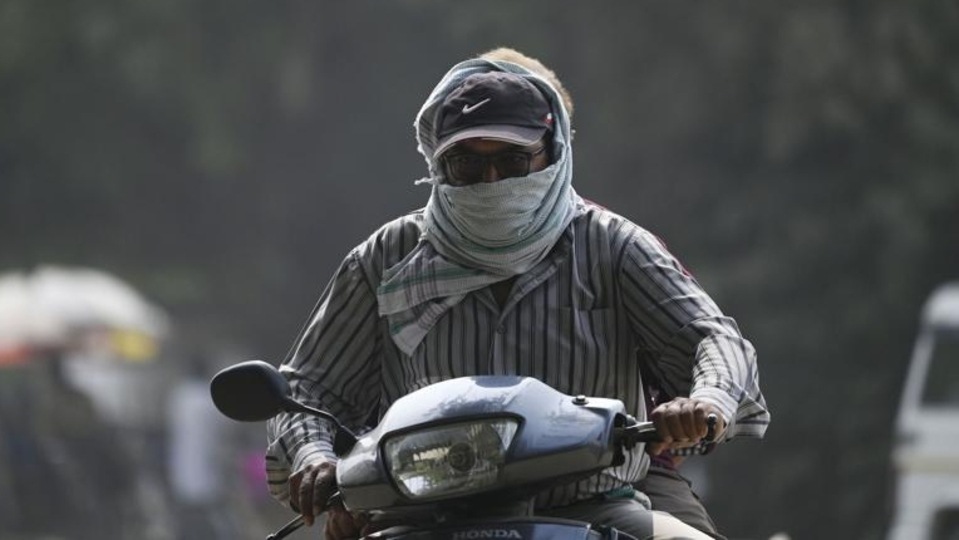
The air quality has remained in the “satisfactory category” during the first week of July, according to data from the Central Pollution Control Board (CPCB), PTI reported.
AQI, which was under 100 for seven days in June, has further improved due to changing wind patterns and improved weather across the national capital.
An AQI of 51 to 100 is considered “satisfactory”, while 101 to 200 is ranked as “moderate” and 201 to 300 is ranked as “poor” as per air quality standards of CPCB. Numbers between 301 to 400 are considered as"very poor", and 401 to 500 are ranked as "severe".
Also read | Delhi Weather and AQI Today: Warm start at 26.8 °C, check weather forecast for July 7, 2024
Anything beyond "moderate" air quality causes breathing discomfort to people with lung diseases, asthma and heart diseases.
As per the Indian Meteorological Department (IMD), Delhi recorded a maximum temperature of 35.8 degrees Celsius on Sunday, 0.8 degrees Celsius below the season's average. The city's minimum temperature was 26.2 degrees Celsius, two notches below of the season's average.
IMD has predicted generally cloudy skies till July 13, with light to moderate rain and thunderstorms during the evening hours. Slightly sultry conditions are expected with relative humidity expected to oscillate between 57 per cent and 93 per cent during the day. Northwest winds are expected at 30 km/h.
Also read | IMD issues 'red' alert for heavy rainfall in Uttarakhand; Chardham Yatra suspended
The weather agency attributes the current weather pattern to monsoon winds shifting towards Delhi, potentially intensifying rain activity in the coming days.
According to the World Air Quality Report 2023 by IQ Air, Delhi had the most polluted air among 114 capital cities across the world in 2023. Delhi’s annual average PM 2.5 level was 92.7 µg/m3, while the World Health Organisation (WHO) suggests that annual average PM 2.5 levels should not exceed 5 µg/m3.
(With PTI inputs)


