
 E-Paper



Delhi's overall AQI today a bit better, but many areas wake up to 'severe' pollution | Details
This comes a day after the average Delhi AQI was recorded at 427 on Monday, marking the third consecutive day it fell into the ‘severe’ category.

 Prefer HTon Google


Delhi's air quality index (AQI) saw a significant decline on Tuesday morning compared to Monday, bringing some relief to the residents of the national capital, who had been dealing with ‘severe’ category pollution levels for the last few days.
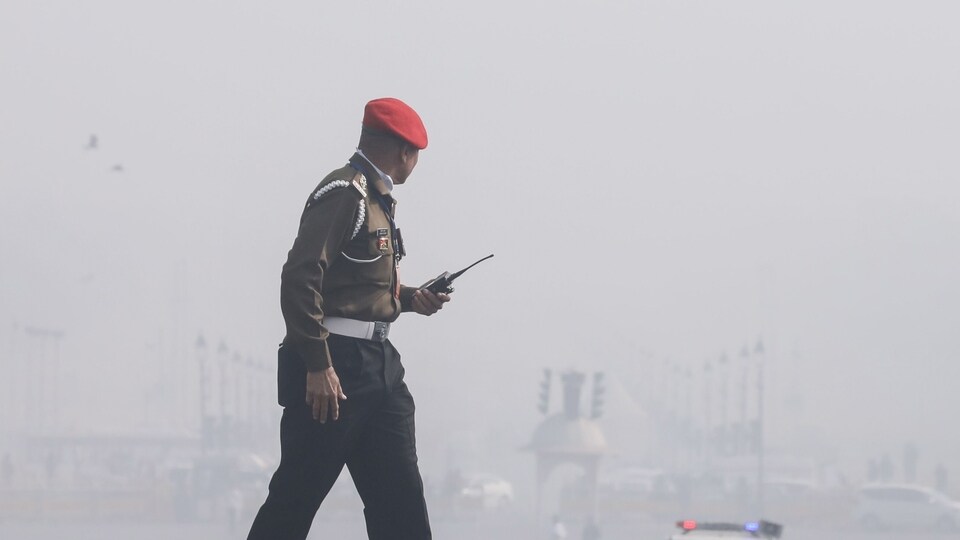
According to the Central Pollution Control Board's (CPCB) Sameer app, Delhi's AQI stood at 381 as of 6:30 AM on Tuesday morning, putting it in the‘very poor' category.
Wazirpur was the worst-affected area in terms of pollution levels, with an AQI reading of 434. It was followed closely by Jahangirpuri, with AQI levels of 430. A few other areas, such as Mundka, Delhi Technical University (DTU), and Nehru Nagar monitoring centres, also showed ‘severe’ levels between 424 and 420.
This comes a day after the average AQI of the national capital was recorded at 427 on Monday, marking the third consecutive day it fell into the ‘severe’ category.
As per the CBCP, an AQI between 0 and 50 is considered "good", 51 and 100 "satisfactory, 101 and 200 "moderate", 201 and 300 "poor", 301 to 400 "very poor", and 401 to 500 "severe".
The dense haze was visible across Delhi on Monday, making it difficult to see even a short distance ahead. Hundreds of flights from the national capital were also be impacted, with both the airport and airlines issuing advisories as visibility conditions worsened.


