
 E-Paper



Detention arbitrary, eligible for compensation, says UN panel on Safoora Zargar
She was arrested in April 2020 for allegedly conspiring with others to instigate and start the violence in northeast Delhi. At least 53 people died and 400 others were injured in the violence in February 2020. Zargar said she was only part of protests and denied the allegations made by police.


A UN expert panel has concluded that student activist Safoora Zargar, arrested for her alleged role in the northeast Delhi violence last year, should be provided compensation and other reparations by the government as she was arbitrarily detained.
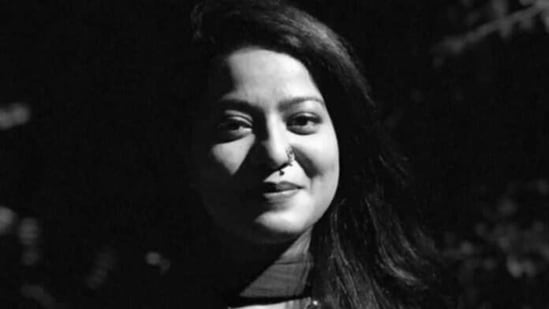
The findings of the Working Group on Arbitrary Detention (WGAD), which operates under the office of the UN high commissioner for human rights, were formally released in Geneva late on Friday.
WGAD said Zargar’s detention was arbitrary as it went against both the Universal Declaration of Human Rights and the International Covenant on Civil and Political Rights.
“The Working Group considers that, taking into account all the circumstances of the case, the appropriate remedy would be to accord Ms Zargar an enforceable right to compensation and other reparations, in accordance with international law,” WGAD said in its report.
The group asked the Indian government to take steps to “remedy the situation of Ms Zargar without delay and bring it into conformity with the relevant international norms”, including those of the Universal Declaration of Human Rights and the Covenant.
There was no immediate response from Indian officials to the development.
Zargar, an MPhil student of Jamia Millia Islamia, was granted bail by the Delhi High Court in June last year. She had sought bail on the grounds that she was pregnant and had severe medical complications.
She was arrested in April 2020 for allegedly conspiring with others to instigate and start the violence in northeast Delhi. At least 53 people died and 400 others were injured in the violence in February 2020. Zargar said she was only part of protests and denied the allegations made by police.
In its report, WGAD concluded that Zargar “was deprived of her liberty on discriminatory grounds, owing to her status as a human rights defender, and on the basis of her political or other opinion regarding the Citizenship (Amendment) Act”. WGAD urged the government to “ensure a full and independent investigation of the circumstances surrounding the arbitrary deprivation of liberty” of Zargar and to take “appropriate measures against those responsible for the violation of her rights”.
WGAD further said it considers that Zargar was “targeted for discrimination on the basis of her status as a human rights defender and in violation of her right to equality before the law and equal protection of the law under article 26 of the Covenant”. The group also considers that Zargar’s “political views and beliefs regarding the Government’s policies and actions are at the heart of the present case”.
The group also referred Zargar’s case to the UN Special Rapporteur on the situation of human rights defenders, the Special Rapporteur on promotion and protection of the right to freedom of opinion and expression, and the Special Rapporteur on the promotion and protection of human rights and fundamental freedoms while countering terrorism, for appropriate action.


