E-Paper



Difficulties at border but India, China don’t want war: Top Chinese diplomat
China’s chargé d’affaires in New Delhi Ma Jia said China is developing border infrastructure for local economic development. “When there is some kind of dispute or clash in the border areas, people will concentrate much more on infrastructure-building from both sides.”

 Prefer HTon Google


NEW DELHI: The India-China relationship is facing difficulties due to the situation in Ladakh sector of the Line of Actual Control (LAC) but neither side wants war or confrontation in the border areas, China’s chargé d’affaires Ma Jia said on Wednesday.
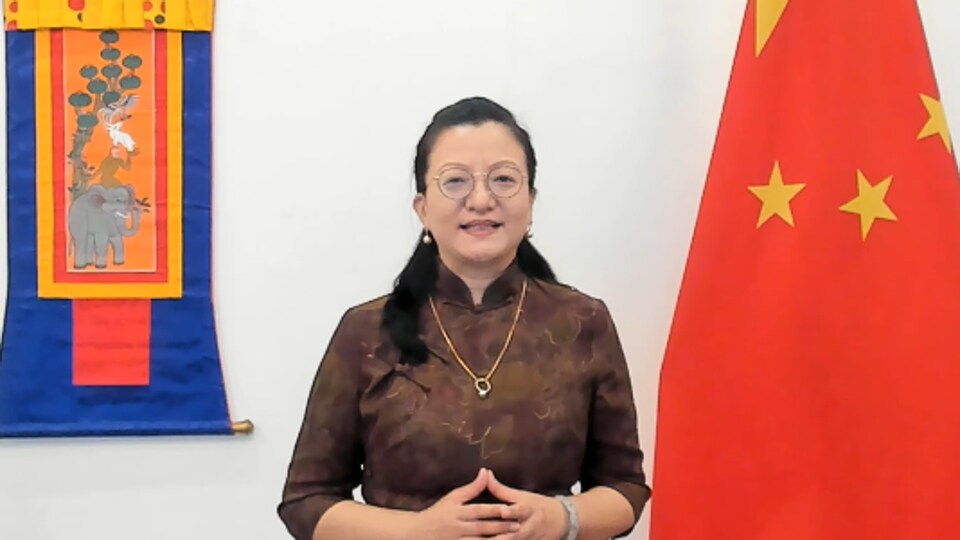
The senior-most Chinese diplomat in New Delhi sought to play down the impression that China and Russia’s insistence on not raising the Ukraine crisis at the G20 has created a division in the grouping, and said it has become “more difficult to reach accommodation” on this issue as the situation has intensified since the G20 Summit in Indonesia in November.
At an interaction with a small group of Indian journalists, Ma initially described the border situation as “overall stable” and said the two sides are promoting a transition to “normalised management and control”. Responding to a question from HT that this was at variance with external affairs minister S Jaishankar’s characterisation of the situation as “very fragile” and “quite dangerous”, Ma contended this was the reason the two sides are talking through diplomatic and military channels.
“That’s what the WMCC (Working Mechanism for Consultation and Coordination on India-China border affairs) and senior commanders’ meetings are discussing about, because there are difficulties...we have to face it,” she said.
Also Read: Xi-Putin talks hint at new tests for India
“We are confident because...China and India, we do not want a war. Neither of us want a war [or] confrontation along the border areas. As long as we have this kind of intention and understanding of each other, I still have the confidence that we can find a way out.”
It isn’t easy to reach an agreement on the border issue as it is “very complicated”, and the consensus reached by President Xi Jinping and Prime Minister Narendra Modi can help the two sides find a way out, she added.
Ma declined to comment on a report that the US provided intelligence which helped Indian troops thwart a Chinese incursion in Arunachal Pradesh, but said the border dispute is a bilateral issue to be handled by New Delhi and Beijing.
China, she said, is developing border infrastructure for local economic development. “When there is some kind of dispute or clash in the border areas, people will concentrate much more on infrastructure-building from both sides. From the Indian side, you also have [built] a lot of infrastructure in past years,” she said.
Though the G20 agreed on including the Ukraine issue in the joint declaration issued at the leaders’ summit in Bali in 2022, Ma indicated this may no longer be possible at the grouping’s meetings this year. Joint statements couldn’t be issued at recent meetings of G20 finance and foreign ministers because of China and Russia’s opposition to the inclusion of text denouncing the Ukraine war.
Ma said: “Now because the situation has intensified, it is more difficult to reach accommodation... It’s not because of China and Russia’s stand, because we are having this very strong belief that G20 should talk about international economic and financial problems.”
The push by the US and Western countries to discuss a security issue will result in the G20 not having any time to focus on its economic agenda and make it very difficult to achieve consensus, she said.
“India has played a very, very crucial role on its part, as it tried very hard to bring everybody together. But the job is very tough. We support India’s presidency and [look forward to the] SCO and G20 having fruitful outcomes,” Ma added.
Ma said China has urged the Indian side to “change its restrictive policies and practices and provide an open, fair and non-discriminatory business environment” for Chinese entities that want to increase their investments in the country. “We have very smooth channels to discuss everything but I cannot tell you...we have reached some kind of outcome,” she said.
Asked about China blocking several efforts by India and its Western partners to designate Pakistan-based terrorists at the UN Security Council, Ma said China opposes all forms of terrorism and participates in the work of UN committees in a “constructive and responsible manner” while adhering to rules and procedures.