
 E-Paper



Emission norms for industrial boilers to be tightened
In Delhi and the National Capital Region (NCR), industries contribute to 30% of PM 2.5 emissions in winter and 22% in summer

 Prefer HTon Google


The government has issued a draft notification for tightening the particulate matter (PM) norms for industrial boilers and provided new standards for their different sizes. The Union environment ministry issued the draft on Monday and has given the public 60 days to submit objections or suggestions.
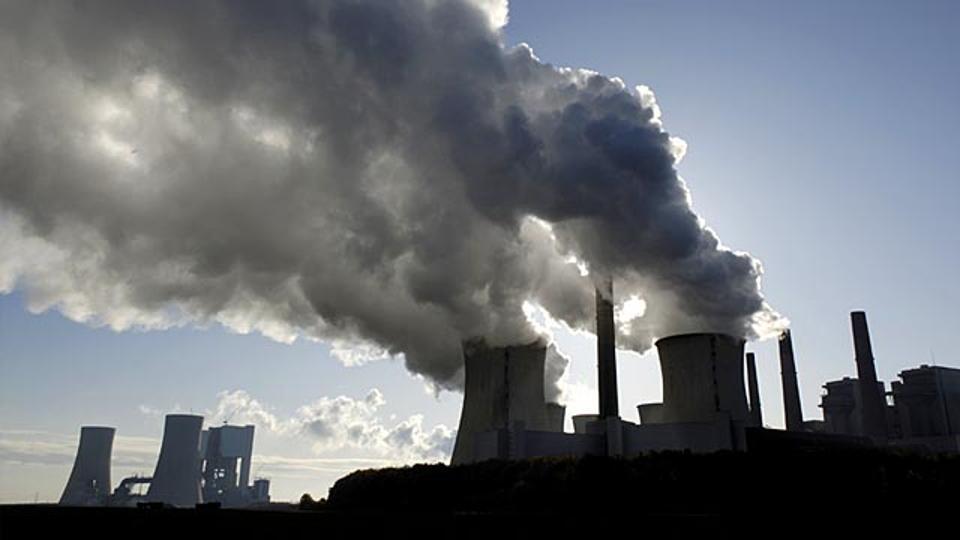
The standard for boilers of steam generation capacity of two tonnes per hour has been reduced from 1200 mg/Nm3 to 500 mg/Nm3 and those with a capacity of two tonnes per hour to less than 10 tonnes per hour from 800 mg/Nm3 to 150 mg/Nm3. Boilers with 10 tonnes per hour and more capacity will have to meet a standard of 50 mg/NM3, compared to 150 to 600 mg/Nm3 earlier.
In Delhi and the National Capital Region (NCR), industries contribute to 30% of PM 2.5 emissions in winter and 22% in summer, according to a 2018 The Energy and Resources Institute and Automotive Research Association of India study.
A Central Pollution Control Board official said the technology of boilers and emission control systems have improved now and that is why the standards for industries have to rationalised. “We will tighten standards for other sectors as well. PM emissions are a major problem in India. Industries will have to install some emission control systems to meet the new standards.”
Centre for Science and Environment executive director Anumita Roy Chowdhury welcomed the tightening of the norms as an important development. “We have been asking for this tightening of standards for boilers to address pollution from small and medium scale units that dominate. For instance, in the NCR region, nearly 70% of the boilers are tiny -- less than two tonnes. These are extremely polluting.”
Chowdhury said only tighter norms can push towards the adoption of emission control systems for boilers. “The bigger solution will come from the adoption of bigger common boilers equipped with emission control system and on clean fuels that are managed centrally and are shared by multiple industrial units.”.


