E-Paper



Examine again if accused can be tried as adult: SC in Ryan School murder case
A bench of justices Dinesh Maheshwari and Vikram Nath suggested an exercise to lay down uniform guidelines for preliminary assessment of the mental and physical capacity of a juvenile.

 Prefer HTon Google


The juvenile accused of killing a seven-year-old at Ryan International School in Haryana’s Gurugram district in 2017 shall be examined afresh to ascertain whether he should be tried as an adult or a minor for the alleged crime, ruled the Supreme Court on Wednesday.
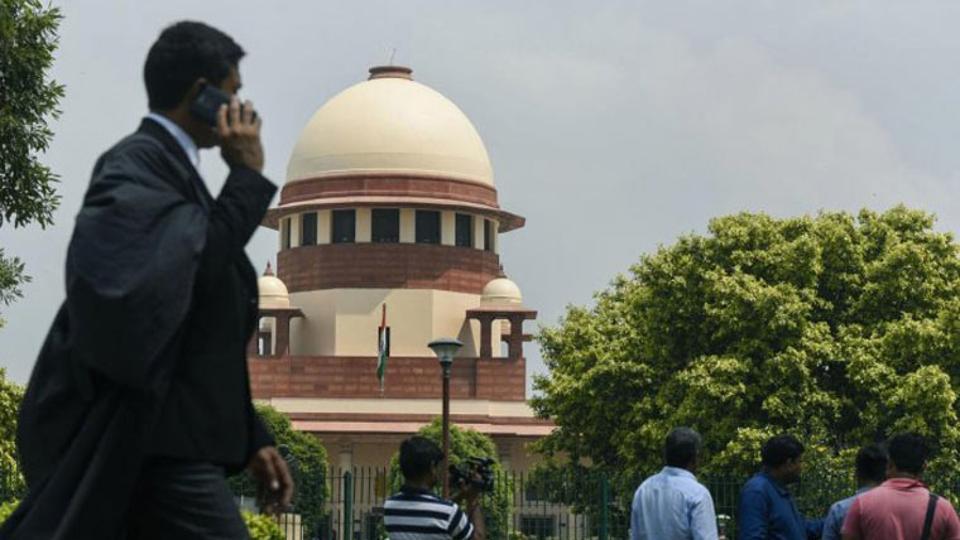
A bench of justices Dinesh Maheshwari and Vikram Nath suggested to the Union government and the National Commission for Protection of Child Rights (NCPCR) to undertake an exercise for uniform guidelines for preliminary assessment of the mental and physical capacity of a juvenile to determine the nature of trial the delinquent should face.
Under the Juvenile Justice Act, a juvenile can be sentenced to a maximum of three years in a reform facility when convicted of a crime. The sentence can be a lengthier jail term, barring life imprisonment and the death penalty, under the Indian Penal Code when tried as an adult. Until the age of 21, they stay in the correction home, as per a pertinent provision in the Act.
In December 2017, the Juvenile Justice Board said that the teenager accused of killing the seven-year-old Class 2 student on the premises of the Ryan International School on September 8 that year will be tried as an adult.

On the basis of preliminary assessments conducted on the teenager’s mental and physical capacity, the Board concluded that the teenager “had sufficient mental and physical capacity to commit the offence alleged against him and that he had the adequate ability to understand the consequences of his acts”.
The accused, 16 at that time, was apprehended in November 2017, shortly after the Central Bureau of Investigation (CBI) took over the case from the Gurugram Police, which implicated a school bus conductor for the murder.
The CBI claimed the student confessed to slitting the Class 2 student’s throat in the hope of postponing examinations and a parent-teacher meeting.
The family of the accused challenged the decision of the Juvenile Justice Board, alleging that it gave its approval to try the 16-year-old as an adult even before the CBI could complete its investigation and file charge sheet. They also claimed that the case against the 16-year-old rests on fingerprints found at the crime scene, and there was no other evidence against him.
While a sessions court in May 2018 rejected the plea of the family, the Punjab and Haryana high court in October 2018 directed for a fresh assessment to ascertain whether he should be tried as an adult or a juvenile.
The father of the slain child approached the Supreme Court in November 2018 against the high court order. On November 19 that year, the top court ordered status quo in the matter. While the case moved sluggishly for the next three years, the Supreme Court started regularly hearing the matter since February this year and reserved its judgment on April 25.