
 E-Paper



Experts warn of ‘profound’ mental health toll
Both the Severe Acute Respiratory Syndrome (SARS) that broke out in 2003 and the Middle East Respiratory Syndrome (MERS) of 2012 are neurotropic and neurotoxic, causing mental and neurological disorders, it said.


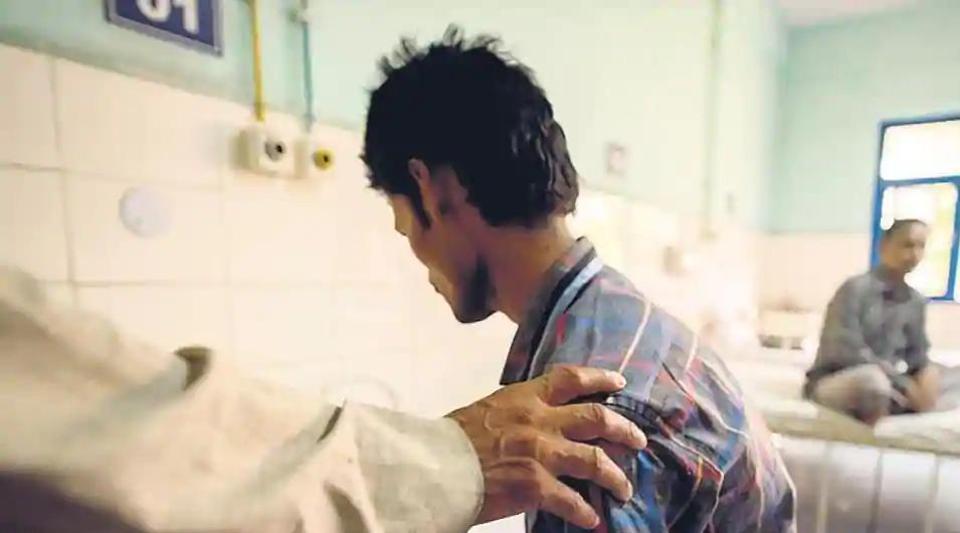
Covid-19 will have a profound impact on the mental health of vulnerable groups such as front-line healthcare workers, persons with existing mental illnesses and patients of the lethal viral disease, according to a paper authored by 24 experts and published by the journal, Lancet Psychiatry.
About half of zoonotic virus epidemics (diseases that are transferred from animals to humans) are caused by neurotropic viruses, which are capable of infecting nerve cells and tend to invade the central nervous system, according to the paper published on April 15.
Both the Severe Acute Respiratory Syndrome (SARS) that broke out in 2003 and the Middle East Respiratory Syndrome (MERS) of 2012 are neurotropic and neurotoxic, causing mental and neurological disorders, it said.
Not much evidence exists on what kind of neurological impact SARS-CoV-2, which causes Covid-19, will have, but researchers found that it has a receptor binding domain structure similar to SARS-CoV and probably also shares the latter’s neurotropism and neurotoxicity.
The paper, authored by a panel of scientists convened by the UK Academy of Medical Sciences and the mental health research charity MQ Mental Health, quoted a study of 214 patients in the Chinese city of Wuhan, the original epicentre of Covid-19, of whom 36% had nervous system problems.
A sub-group within them with severe respiratory disease experienced an increased frequency of nervous problems, including dizziness, headache, loss of smell or anosmia, loss of taste or ageusia, muscle pain and weakness and cerebrovascular complications.
The panel also flagged stress among healthcare workers and the need for screening them. They come in close contact with the virus, death and dying at close quarters while making challenging decisions.
Surveys conducted by researchers in the UK also found that the fear of contracting Covid-19 ranked lower than social isolation and loneliness associated with anxiety, depression and suicide.
In India, the Bengaluru-based National Institute of Mental Health and Neuro-Sciences (NIMHANS) launched a mental health helpline for Covid 19 suspects/patients on March 29. Data from the calls it received is still being compiled, but Dr BN Gangadhar, director of NIMHANS, said there had been many distress calls by people who wanted to know how they could avoid contracting the disease.
Many have also called in with very practical problems that NIMANS is not the right authority to address, Dr. Gangadhar said.
“The calls ranged from ‘my son has a mental health issue, how can I continue his treatment?’ [to] ‘I have no work, how do I spend time?’ [to] ‘We have lots of farm produce what do I do with it?’ [to] ‘Is there a train I can catch to go back home?’ Etc. We did address the behavioural issues-related queries but people had practical queries too,” he said over the phone.
On the neurotoxic effects of Covid 19, Dr. Gangadhar said: “It can have an influence on the central nervous system but it is too early to predict of what nature, We have to study more patients.”
Gangadhar recommended that those with existing mental health issues connect with NIMHANS or doctors trained by the institute over a helpline or social media, Front-line health workers should also call on the same helpline (080-46110007); they can also access a yoga programme run by NIMHANS through a weblink at 9 am and 11 am.
NIMHANS is getting in touch with its 2,500 patients due for follow-up consultations by calling them.


