
 E-Paper



Final agreement on Naga peace talks ‘almost ready’, says Centre as it blames NSCN-IM of delaying tactics
The Centre has been engaged in talks with the NSCN-IM, the largest of the Naga rebel outfits, since 1997 and a framework agreement was signed with it in August 2015 to pave way for a final agreement.

 Prefer HTon Google


The decades-old Naga political issue and the peace talks underway for 22 years could finally end soon with the signing of a ‘final agreement’ between the New Delhi and the Naga rebel outfits.
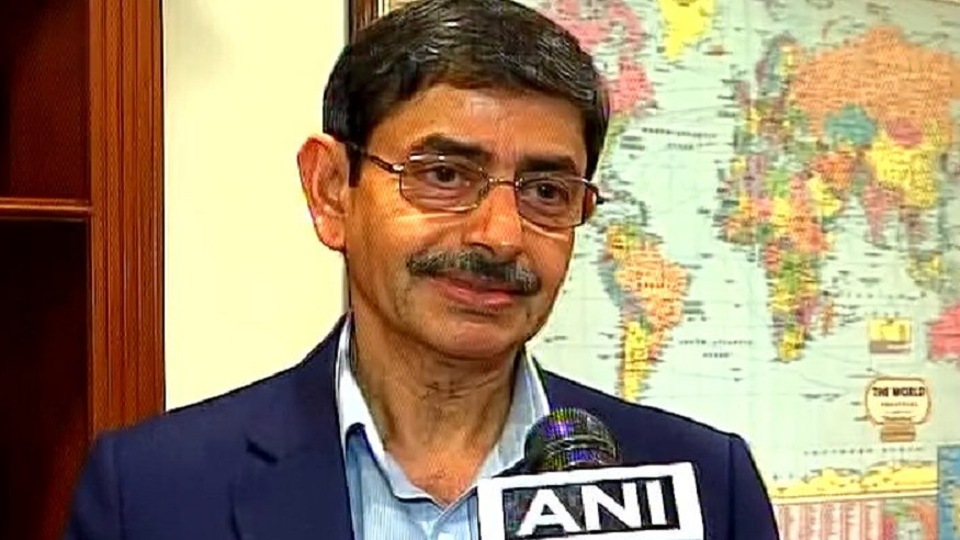
A press release issued on Friday evening by the office of the Centre’s chief interlocutor and Nagaland Governor RN Ravi after a consultative meeting with Naga civil society groups, church organisations and tribal bodies in Kohima indicated the same.
“A mutually agreed draft comprehensive settlement, including all the substantive issues and competencies, is ready for inking the final agreement,” the release said.
It mentioned that the Centre is “determined and diligent to honourably conclude the Naga peace talks”, which has become “truly inclusive in last five years and reached the conclusion stage”.
The consultative meeting was held when talks between Centre and Isak-Muivah faction of National Socialist Council of Nagaland (NSCN-IM), the largest of the Naga rebel outfits, and seven other rebel outfits under the umbrella of Naga National Political Groups (NNPGs) are at a crucial stage and an agreement is expected before 2019 ends.
The Centre has been engaged in talks with the NSCN-IM, the largest of the Naga rebel outfits, since 1997 and a framework agreement was signed with it in August 2015 to pave way for a final agreement.
The seven NNPGs joined the talks with the government along with NSCN (IM) in 2017.
But with NSCN-IM sticking to its demand for a separate flag and constitution for Nagas before inking any new deal and NNPGs willing to accept a solution without including those two issues, it could take some more time for the talks to end.
Ravi, who had taken oath as the governor in August this year, had said in the same month that Prime Minister Narendra Modi wants the talks to conclude within three months—giving hope among Nagas that the final solution is very near.
“Unfortunately at this auspicious juncture, the NSCN-IM has adopted a procrastinating attitude to delay the settlement raising the contentious symbolic issues of separate Naga national flag and constitution on which they are fully aware of the GoI’s positive,” Friday’s release said.
It blamed NSCN-IM of “mischievously dragging” the framework agreement into the peace talks and “imputing imaginary contents to it”.
It also accused the outfit’s leaders of misleading people with “absurd assumptions and presumptions”, which led the Centre to hold consultative meetings on Friday “primary stakeholders of Naga society”.
“GoI (Government of India) is determined to conclude the peace talks without delay. Endless negotiation under the shadow of guns is not acceptable,” the release said urging all negotiating outfits to “facilitate the conclusion of the Naga peace process within the stipulated time”.
The Nagaland Tribes Council (NTC) and organisations of 14 Naga tribes, the Nagaland Baptist Church Council (NBCC), village headmen or ‘gaon burhas’, non-Naga minorities and United Naga Council (UNC) attended the Friday’s meeting.
“The desire of the Naga people is expressed loud and clear. We need a final solution because we need peace. We can’t go on negotiating forever. We want the negotiations to have a logical conclusion so that we have a solution,” NTC’s secretary Theja Therieh said.
“The meeting was very fruitful and there were around 150 participants from all organisations. Governor Ravi committed that they would go ahead as per the time (three-month deadline for talks to conclude) given by the Government of India,” said Therieh after the meeting.
While some groups want the talks should conclude within the three months deadline mentioned by Ravi and a final agreement signed, some others like NBCC feels that there shouldn’t be any time frame as the Naga political issue is a “complicated one”.
The Naga insurgency began in 1950s with sovereignty as a key demand. But over the years, the rebel outfits have given up on that demand seeking more autonomy and integration of Naga inhabited areas in Nagaland, Manipur, Arunachal Pradesh and Assam.
While New Delhi has already refused to agree on a separate flag and constitution, NSCN-IM, the largest and oldest of the Naga outfits, says they are crucial for a final solution and has accused Centre of backtracking on earlier commitments.
The outfit is also unhappy with the NNPGs accusing them of doublespeak on the flag and constitution issue. NSCN-IM blames the Centre of trying to divide the Nagas with money.
“The Government of India and her agencies are at work sleeplessly to exploit our vulnerabilities to pull away many Naga individuals or groups with monetary baits and other highly rated economic packages,” NSCN-IM said in a statement issued on Thursday ahead of the consultative meet.



