
 E-Paper



Delhi HC grants Cong leaders 3 weeks to respond to ED plea in National Herald case
As the court was adjourning the matter, senior counsel appearing for the respondents sought time to respond to the ED’s petition

 Prefer HTon Google


The Delhi high court on Monday granted three weeks to senior Congress leader Sonia Gandhi, leader of Opposition in Lok Sabha Rahul Gandhi and others to respond to Enforcement Directorate (ED’s) petition challenging a special court’s order declining to take cognisance of its chargesheet in the National Herald money laundering case.
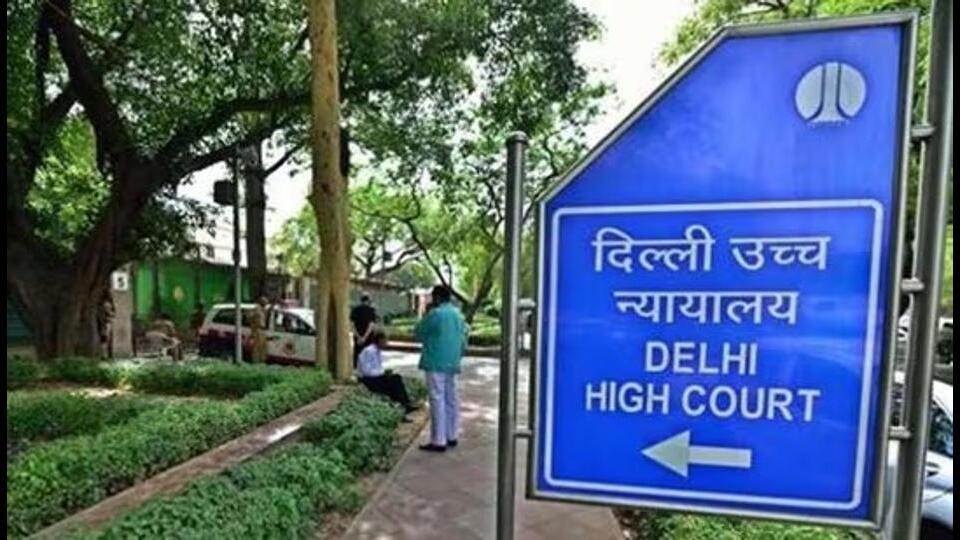
This was after a bench of justice Manoj Jain said that it was not possible for him to hear the matter due to heavy board.
“We can’t hear this today. There are two other time-fixed matters today. The board is heavy,” Justice Jain said.
As the court was adjourning the matter, senior counsel appearing for the respondents sought time to respond to the ED’s petition.
ED’s lawyer, solicitor general Tushar Mehta, submitted that the trial court has “gone terribly wrong” in this case, and the respondents failed to file their replies, despite the high court giving them time to do so two months ago.
“This is only a question of law. The time to file a reply was given two months ago. I can’t object to filing a reply. This is a pure question of law,” he said.
Accordingly, the judge granted them three weeks to file the reply.
On December 16, special judge Vishal Gogne of the Rouse Avenue court had concluded it was impermissible in law to take judicial note of the chargesheet and summon the Gandhis.
The court’s 117-page order stated that the ED’s case reflected a unilateral overreach of the Central Bureau of Investigation (CBI) and “an ill-advised out-pacing of the scheme of the PMLA [Prevention of Money Laundering Act] itself”.
The trial court had reasoned that a prosecution complaint filed by an authorised officer under PMLA cannot rest on a scheduled offence arising from a private complaint and must be based on an offence registered by a law enforcement agency—either through a police first information report (FIR) or a complaint by a person authorised to investigate the scheduled offence.
However, the ED’s petition argued that the special judge failed to appreciate that cognisance taken by a competent court on a private complaint constituting the scheduled offence stands on a much higher footing.
The order, the ED asserted, has given a “hall pass” to a category of money launderers only on the ground that the scheduled offence is reported by a private individual through a complaint to a magistrate.


