
 E-Paper



‘Fit India in sync with WHO-recommended actions’: Poonam K Singh
Poonam Khetrapal Singh, World Health Organisation (WHO) Regional Director for South East Asia, spoke about timely launch of the campaign to curb non-communicable diseases and the role of WHO in promoting physical activity.


Prime Minister Narendra Modi on Thursday launched the nation-wide ‘Fit India Movement’ to celebrate the ‘National Sports Day’ and encourage people to inculcate physical activity and sports in their everyday lives. Poonam Khetrapal Singh, World Health Organisation (WHO) Regional Director for South East Asia, spoke to Sanchita Sharma about the timely launch of the campaign to curb non-communicable diseases and the role of WHO in promoting physical activity. Edited excerpts:
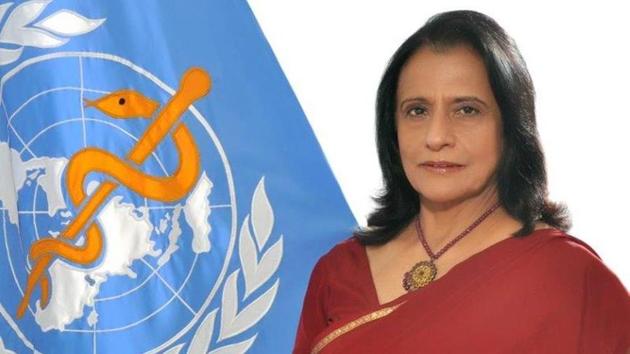
The Fit India campaign is a commendable initiative to promote health and well-being. It’s scientifically established that regular and adequate physical activity improves muscular and cardiorespiratory fitness, helps control weight, and the risk of non-communicable diseases (NCDs) such as diabetes and cardiovascular disease. Physical activity also helps in preventing depression and promoting mental health – an increasingly prominent concern both globally and under the World Health Organisation South-East Asia Region Office (WHO-SEARO), of which India is a part.
By enhancing individual health, physical activity helps lower health care costs. Its promotion, especially in culturally relevant and familiar forms, should be a core part of preventive health. NCDs kill an estimated 8.9 million people in South-East Asia every year, with around 4.4 million succumbing to them prematurely. Even a marginal increase in physical activity would alter these figures, saving individuals, communities and countries both emotional and financial pain.
Children aged 5-17 years require at least 60 minutes of moderate to vigorous activity daily, while adults require at least 150 minutes of moderate-intensity activity weekly. However, at present, an estimated 70% of boys and 80% of girls in South-East Asia report insufficient physical activity. Nearly one-third of adults do the same.
Countries in the WHO South-East Asia region are promoting physical activity through multi-sectoral national action plans to prevent and control NCDs. Physical activity is being promoted in schools, workplaces and in communities, with people being encouraged to walk regularly and use open gyms.
Thailand has been organising exercises for civil servants every Wednesday afternoon. In Timor-Leste, mass physical activity events called ‘Be Active’ and ‘Walk the Talk’ are organised every Saturday. India has been holding mass yoga events.
WHO’s global ACTIVE toolkit launched last year is helping countries fast-track progress in achieving the global target of reducing physical inactivity by 10% by 2025 and 15% by 2030. The toolkit has four components — all countries should aim to create active societies; all countries should work to establish active environments; policymakers should do their utmost to inspire active people; and all countries should strive to develop active systems. India’s initiative is in sync with WHO-recommended actions, and very timely to address the NCD tsunami threatening the world.


