
 E-Paper



Govt issues draft norms to prevent student suicides
The guidelines have been drafted at a time when a spate of suicides have been reported among school students preparing for competitive exams in Rajasthan’s Kota, India’s test prep hub

 Prefer HTon Google


To prevent suicides among school students, authorities must be able to identify early warning signs of self-harm by forming wellness teams, fostering a supportive environment and integrating mental well-being in everyday functioning, draft guidelines released by the education ministry said on Tuesday.
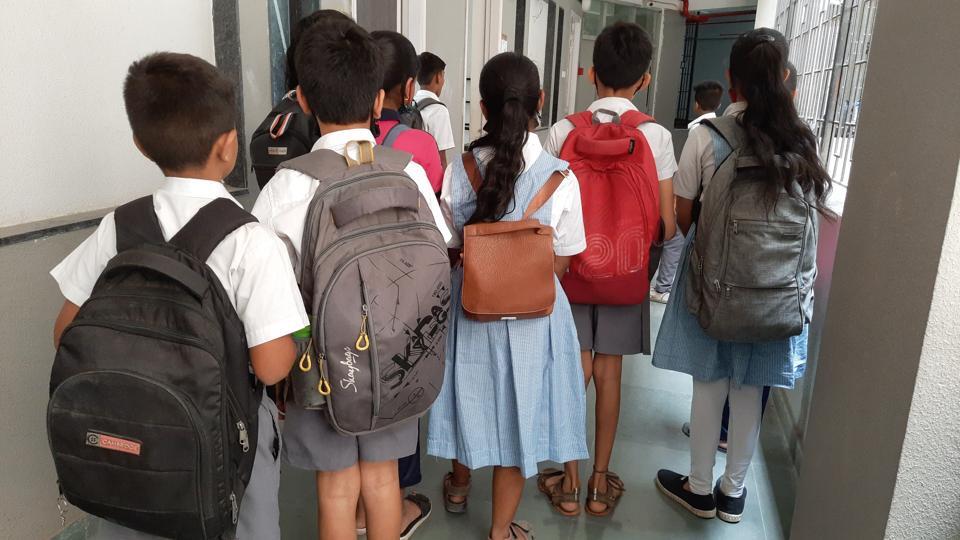
There is a need to promote mental health and well-being among students, said the draft document titled UMMEED (understand, motivate, manage, empathize, empower, develop) by the ministry’s department of school education and literacy, in line with the National Education Policy 2020. The draft document was released for public consultation.
Noting that the reasons for suicide are complex and differ from individual to individual, the draft said it was important to be aware that at times, suicide can be an impulsive act that can take place due to immediate events causing extreme stress.
“Students go through many transitions during their school life which can cause extreme stress, for example, transition from home to school, from one school to another, school to college, losing a parent, sibling, friend, near and dear one, etc,” the guidelines said. “Along with this, children also experience changes as they progress through the developmental stages, leading to concerns such as those related to physical changes and appearance, peer pressure, career decisions, academic pressure, and many more.”
“It is important to discard damaging notions, including comparisons with peers, the perception of failure as permanent, and the sole measurement of success based on academic performance,” they suggested.
The guidelines have been drafted at a time when a spate of suicides have been reported among school students preparing for competitive exams in Rajasthan’s Kota, India’s test prep hub. There have been 25 cases of death by suicide among students in Kota so far in 2023.
The guidelines emphasize the formation of school wellness teams led by the principal, and having school counsellors, students, teachers, a representative of the school management committee, and a school supporting staff as members. The team would will play an important role in implementation of school activities directed towards creating awareness about mental well-being that lead towards suicide prevention.
“When a student displaying warning signs has been identified by any stakeholder, they need to be reported to the SWT, which takes immediate action,” the guidelines stated.
They divided warning signs into three categories– feelings, behaviour and actions. Students who exhibit feelings of hopelessness, helplessness, worthlessness, guilt and shame, or having lack of concentration, withdrawal from social interactions and sudden mood swings are at risk. They also place students with reckless behaviour, talking about self-harm or ending life and becoming detached, among others, as those displaying warning signs.
“The warning signs are indicators that a student is at risk of suicide. Identifying the warning signs is important to provide timely support to students, as it is these signs which would lead to identifying those at risk of harming themselves,” the guidelines stated.
The wellness teams would listen to the identified students and encourage them to talk to counselors. The counselors would interact with the students through counselling sessions. The team will maintain records of such students and will keep following up with them, the guidelines recommended.
Emphasising the importance of building capacity of stakeholders, which includes teachers and school staff, students, families of students and other stakeholders, the guidelines stated, “An important step in this direction is to enhance their knowledge and skills in recognising warning signs, providing support, and responding promptly to students at risk.”
They also suggested to de-stigmatising mental health concerns such as anxiety, depression, suicide, substance abuse through storytelling, rallies, posters, exhibitions and other activities.
The wellness teams should be reconstituted regularly to provide all stakeholders an opportunity to build awareness, the guidelines said, suggesting periodic review of their functioning.
“These guidelines align perfectly with the NEP’s vision of holistic education. They emphasize not only academic excellence, but also the emotional well-being of our students,” said Jyoti Arora, principal of Mount Abu Public School in New Delhi. “By nurturing partnerships between schools, parents and the community, we can collectively work towards preventing suicide and reducing the stigma surrounding mental health issues.”


