E-Paper



Govt’s own ministries divided on Char Dham road project, says SC
The Supreme Court on Wednesday noted that the central government’s own ministries were divided on the Char Dham road project, with the ministry of defence (MoD) alleging neglect of security concerns amid tensions along the Indo-China border.

 Prefer HTon Google


The Supreme Court on Wednesday noted that the central government’s own ministries were divided on the Char Dham road project, with the ministry of defence (MoD) alleging neglect of security concerns amid tensions along the Indo-China border.
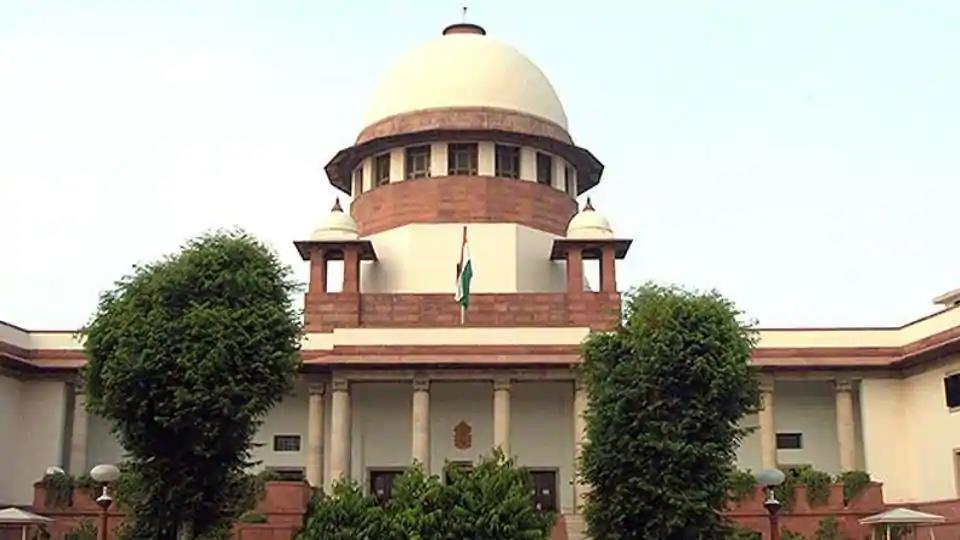
The court pointed out that the MoD and the ministry of road transport and highways (MoRTH) appear to be not on the same page on keeping the width of roads leading to border areas at 5.5 metres.
“It seems your own ministries are not in tandem with each other. They don’t seem to be working with each other,” a bench, headed by justice Rohinton F Nariman, told attorney general KK Venugopal.
The bench was referring to the latest affidavit by MoD. The affidavit complained that the MoRTH’s circulars in 2012 and 2018 on the width of roads along the national highways did not take into account the needs of the security forces.
While these circulars restricted the widening of roads in hilly and mountainous terrains based on the number of vehicles plying every day, MoD emphasised that aspects relating to movement of troops and artillery were overlooked. “Neither the MoRTH circular of October 5, 2012, nor the circular dates March 23, 2018, dealt with the security needs of the country by way of roads which could accommodate tanks or heavy artillery and the mobilisation of troops, and would therefore stand in a class apart from the roads used for civilian movement in mountainous territory,” stated the MoD’s affidavit.
MoD called it unfortunate that even though security of the state is itself in jeopardy in view of the situation developing along the Chinese border, “needs of the army was mentioned in passing” by MoRTH.
It asserted that the MoRTH circulars “do not deal with roads which are essential for the movement of troops, armaments, artillery and tanks to the borders of the country to defend the nation against aggression and hence, cannot be treated as covering the particular situation which the state is facing today.”
In its affidavit, MoD requested the bench to modify its September 8 order, fixing the width of the road to 5.5m for the whole project, in terms of the MoRTH circular in 2018.
MoD requested that the national highway from Rishikesh to Mana, from Rishikesh to Gangotri and from Tanakpur to Pithoragarh may be allowed to be developed into a 2 lane configuration with a width of 7m “in the interest of the security of the nation and defence of its borders”.
The bench further asked Venugopal to resolve the issues between the ministries after his office gets a report from the HPC after two weeks.