E-Paper



Grant citizenship to Chakma-Hajongs in Arunachal: Student body writes to Shah
The apex court in September 2015 directed the Centre to process the pending citizenship applications of 4,627 Chakma and Hajongs within three months

 Prefer HTon Google


The apex body of Chakma students from Arunachal Pradesh has submitted a memorandum to Union home minister Amit Shah seeking citizenship to 4,627 Chakma-Hajong people in the state.
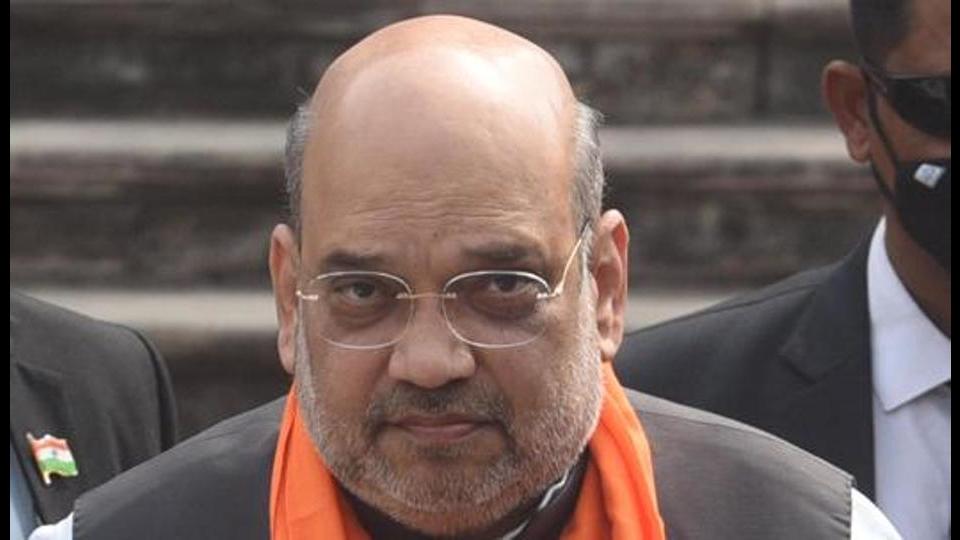
The request by Arunachal Pradesh Chakma Students Union (APCSU) was in response to a recent directive by Centre authorising officials in 13 districts of Gujarat, Rajasthan, Chhattisgarh, Haryana and Punjab to approve citizenship applications of Hindus, Sikhs, Jains, Buddhists, Parsis and Christians from Afghanistan, Bangladesh and Pakistan in those districts.
The memorandum submitted through email said 14,888 Chakma-Hajongs, who are Buddhists and Hindus, migrated to India between 1964 and 1966 from Chittagong Hills Tract (CHT) of then East Pakistan (now Bangladesh) to escape religious persecution and were settled in North East Frontier Agency (now Arunachal Pradesh). They were settled under a rehabilitation plan, allotted land and provided financial assistance, depending on the size of their families.
In January 1996, the Supreme Court directed the Centre to grant them citizenship as per provisions of the Citizenship Act, 1995. Hearing another petition, the apex court in September 2015 directed the Centre to process the pending citizenship applications of 4,627 Chakma and Hajongs within three months.
Also Read | How India’s water mission is overcoming the challenge in the Northeast
“However, the apex court direction has not been complied with and is getting delayed for one reason or the other,” said APCSU president Drishya Muni Chakma.
The memorandum urged Shah to grant citizenship to 4,627 Chakma-Hajongs immediately, instruct the Arunachal Pradesh government to allow enrolment of all eligible Chakmas and Hajongs in electoral rolls, and also include the two communities in central and state welfare schemes.
“Shah had indicated two years ago that the Chakma-Hajong problem will be resolved before October 2020. We seek his urgent intervention in granting citizenship to 4,627 and also ensure that those who got citizenship are able to enjoy all facilities and rights,” said Chakma.
As per 2011 census, there are 47,471 Chakmas and Hajongs in Arunachal Pradesh of which nearly 90% have got citizenship by birth under Section 3 of the Citizenship Act, 1955.