
 E-Paper



GRAP II in NCR: What’s allowed and what’s banned under new air pollution norms?
Delhi's air pollution: Residents urged to use public transport, avoid dust-generating activities. Authorities to implement road cleaning, inspections.

 Prefer HTon Google


The Commission for Air Quality Management (CAQM) has ordered the enforcement of GRAP-II in Delhi NCR to address the worsening air quality after the national capital's daily average AQI reached 310 on Monday.
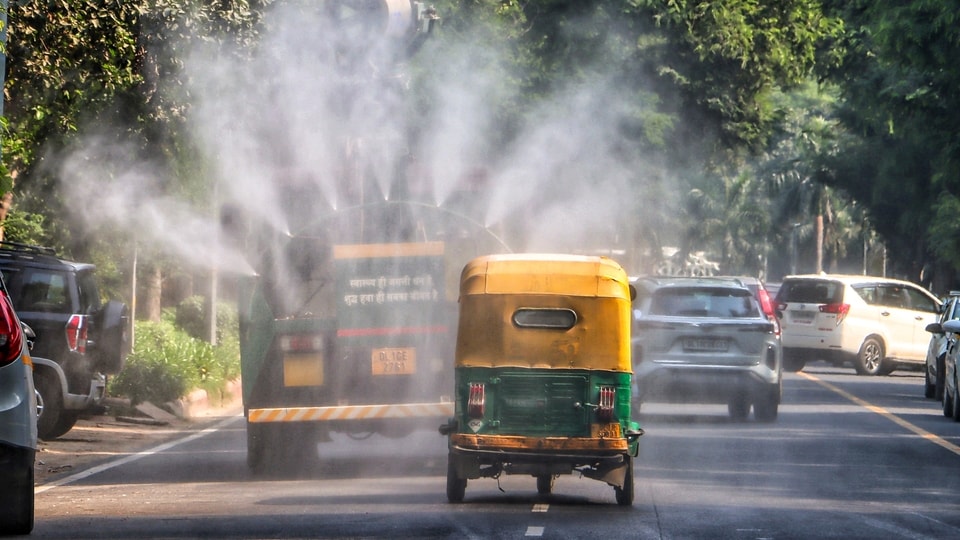
To prevent further decline, the statutory body decided that all measures under Stage II of GRAP, which is activated when air quality reaches the "Very Poor" category, will be implemented by the concerned agencies across NCR. These will be in addition to Stage I actions already in place, starting from 8:00am on Tuesday.
ALSO READ- Delhi’s AQI ‘very poor’, no respite till Thursday
What is recommended for residents?
As air pollution worsens in Delhi, citizens are advised to follow these measures to help improve air quality:
• Use public transport and minimise personal vehicle use. Choose less congested routes, even if longer.
• Regularly replace air filters in your vehicles.
• Avoid dust-generating construction activities between October and January.
• Refrain from burning solid waste or biomass in the open.
ALSO READ- Delhi govt blames Haryana, UP for worsening air quality
What is instructed for authorities?
Authorities in Delhi have been given a series of instructions to manage rising air pollution levels:
• Daily mechanical or vacuum sweeping and water sprinkling on identified roads.
• Water sprinkling, with dust suppressants used every alternate day on roads, especially in hotspots and high-traffic areas, with proper disposal of collected dust.
• Intensified inspections to ensure strict dust control measures at construction and demolition sites.
• Targeted actions to reduce pollution in identified hotspots, focusing on the main sectors causing poor air quality.
ALSO READ- Supreme Court slams Punjab, Haryana over Delhi air pollution: ‘Absolute defiance’
• Uninterrupted power supply to prevent use of backup generators.
• Strict enforcement of the schedule regulating operations of diesel generators across all sectors in the NCR including industrial, commercial, residential.
• Synchronisation of traffic movements and sufficient personnel at congestion points for smooth traffic flow.
• Public awareness through newspapers, TV, and radio about air pollution levels and tips on reducing pollution activities.
• Increase in parking fees to discourage private vehicle use.
• Additional CNG/electric buses and increased frequency of metro services.
• Resident Welfare Associations are instructed to provide electric heaters to avoid burning of biomass or waste during winters.


