
 E-Paper



‘Gratuitous’: Indian official’s acerbic retort on China’s advice on foreign policy
Beijing’s track record in its neighbourhood and the world reflects its “duplicitous and hypocritical approach”, a national security official in Delhi said

 Prefer HTon Google


China’s advice to New Delhi to follow an independent foreign policy and safeguard regional peace reflects Beijing’s sanctimonious, even duplicitous approach in relations with other countries, a senior government official said on Thursday.
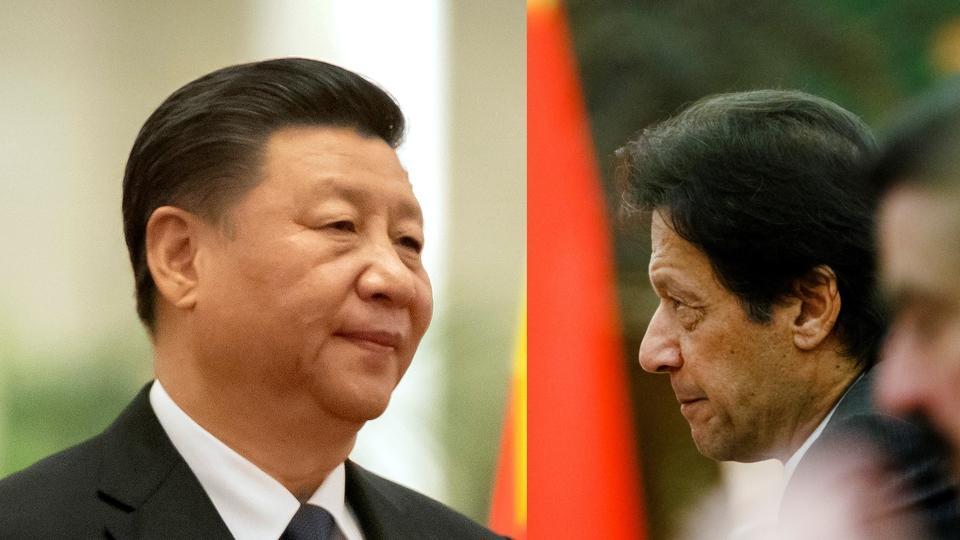
“We do hope that China gives up its sanctimonious stand and takes real steps to further peace in the region and the world in accordance with international law. It wants India to give up on its close allies like the United States so that any global effort to get India entry into the UN Security Council as a permanent member or a member of the Nuclear Suppliers Group (NSG) despite an impeccable non-proliferation record unlike its all-weather ally Pakistan is blocked. With the Ladakh aggression, the Chinese perfidy in the garb of peace and tranquillity stands exposed,” the official said.
A second official, part of India’s national security establishment, added that Beijing’s track record in its neighbourhood and the world reflected its “duplicitous and hypocritical approach”.
Also Read: Navy’s forward posture against PLA in Ladakh muscles out Chinese threat on high seas
The strong remarks are as a reference to China’s assistance to countries such as Pakistan and North Korea develop nuclear weapons and delivery platforms, blocking UNSC sanctions against designated terrorists in Pakistan and flexing muscles along the 3,488 km long LAC and South China Sea as part of its cartographical expansion.
ALSO WATCH | ‘Closing more Chinese consulates in US always possible’: Donald Trump
The Chinese foreign ministry, responding to external affairs minister S Jaishankar’s assertion that India was never part of an alliance and will never be, said on Wednesday that China hopes and believes that India “will be able to maintain its independent foreign policy and safeguard regional peace and stability through concrete actions, and play a constructive role in international affairs”.
The statement was seen in New Delhi to reflect concern in China over India’s growing proximity to the United States and loud voices of support for India from the Trump administration, particularly after China attempted to intrude into India in the Ladakh sector.
The external affairs ministry hasn’t responded to Beijing’s statement.
Also Read: From Ladakh to Japan’s Senkaku Islands, ‘bully’ China is in an overdrive
“What China means to say,” a national security planner said, “was that India should forget about its attempts to intrude into Ladakh and move on. They made the same point when they wanted India to be part of the Belt Road Initiative, saying that it was a connectivity project and India shouldn’t mind if it passes through occupied territories in Pakistan.”
Or telling India after trying to take over Indian territory in Ladakh that New Delhi should not let the boundary dispute impact the $ 100 billion bilateral trade.
Contrast this approach with Beijing’s super sensitive stance when it comes to its perceived sovereignty issues in Arunachal Pradesh and elsewhere, claiming that state sovereignty is a core interest that is non-negotiable and protesting visits to the state by Indian dignitaries.
Or when it fires a barrage of threats over Indian deals to supply Brahmos or Prithivi missiles to Vietnam and Philippines, two of the 20-plus countries it has territorial disputes with. But it goes right ahead to help client state Pakistan to build long range nuclear missiles, supplies fighter jets like JF 17 and other weapons including armed drones.


