
 E-Paper



Gurupurab today, celebrations subdued due to Covid-19 restrictions
The festival is celebrated with great zeal around the world. In India especially, devotees take out a procession in their areas. It is followed by langar (devotional food offering).

 Prefer HTon Google


The Sikh community across the world is celebrating Guru Purab on Friday. Also known as Guru Nanak Jayanti, the festival is one of the most sacred festivals for Sikhs as it marks the birth anniversary of Guru Nanak, who established Sikhism.
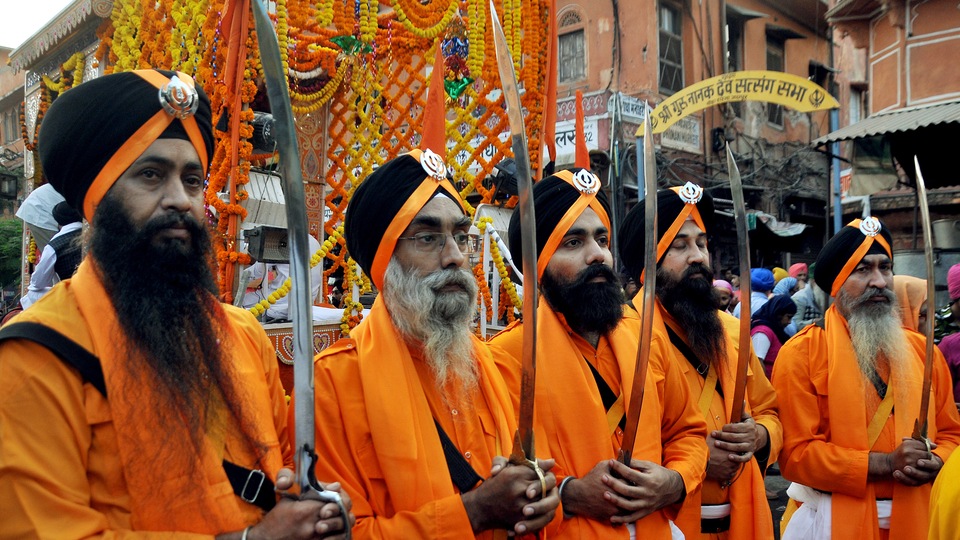
The festival is celebrated with great zeal around the world. In India especially, devotees take out a procession in their areas. It is followed by langar (devotional food offering). The devotees also visit Gurudwara and offer prayers.
However, due to the coronavirus restrictions, the celebrations are expected to be subdued like last year. Earlier Gurupurab used to be celebrated with great zeal. There used to be arrangements for food -- stalls of golgappas, tikkis -- all free sewa (service). People used to be full of enthusiasm and energy, ANI quoted a member of Gurdwara Gurmat Parchar Sabha, under the management of Delhi Sikh Gurdwara Management Committee, as saying. "However, this could not be organised anymore because of Covid-19 protocols," he added.
The festivities in the Sikh religion revolve around the anniversaries of the 10 Sikh Gurus -- Guru Nanak Dev, Guru Angad Dev, Guru Amar Das, Guru Ram Das, Guru Arjan Dev, Guru Hargobind, Guru Har Rai, Guru Har Krishan, Guru Tegh Bahadur, and Guru Gobind Singh.
These Gurus were responsible for shaping the beliefs of the Sikh religion and their birthdays, known as Gurpurab, are occasions for celebration and prayer among the Sikhs.
Every year, the date varies for Guru Purab according to the traditional lunar calendar. While Diwali falls on the 15th day of the Kartik month as per the Hindu Lunar calendar, Guru Nanak Jayanti falls fifteen days after that on the auspicious occasion of Kartik Purnima.
Guru Nanak was born in 1469 at Nankana Sahib. It is believed that his birth was a mark of divinity. He firmly believed that an individual could connect to God through sincere prayers and didn't encourage traditions that included sacrifices. All his teachings and preachings are composed together to form the sacred book called Guru Granth Sahib.


