
 E-Paper



Harsh Vardhan is India’s nominee for lead role in WHO, takes over on Friday
As head of the 34-member Executive Board that is mandated to implement the decisions of the World Health Assembly, health minister Harsh Vardhan will have to work closely with Director General Tedros Adhanom Ghebreyesus.

 Prefer HTon Google


Health Minister Harsh Vardhan, who is leading the country’s battle against Covid-19 in the country, will be India’s nominee to be the next WHO Executive Board chairman, people familiar with the development told Hindustan Times.
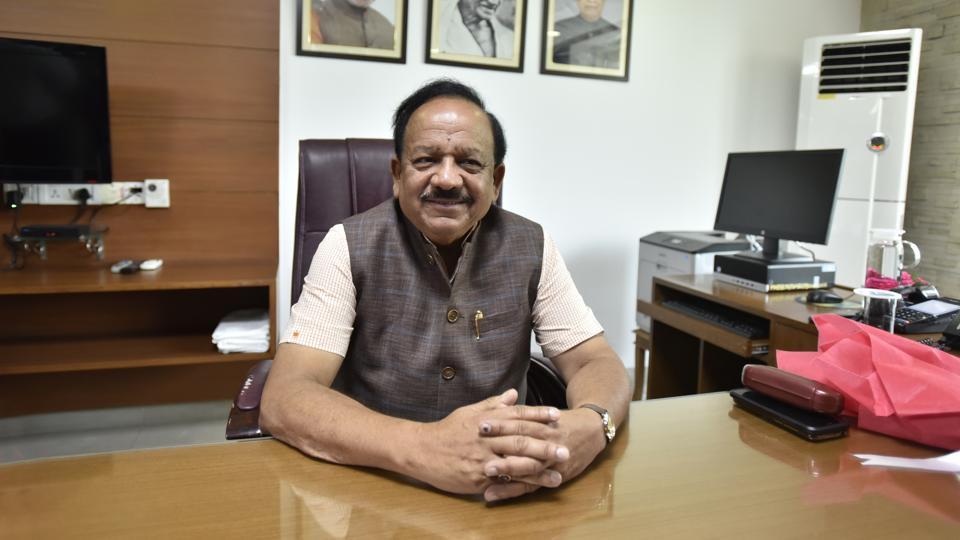
A senior government official said the health minister would be elected at the World Health Organisation‘s Executive Board’s meeting on 22 May. The election is a procedural formality.
“It is not a full time assignment… But Dr Harsh Vardhan will be required to chair the executive board’s bi-annual meetings,” a senior government official told Hindustan Times.
The WHO’s South-East Asia group had unanimously decided last year that New Delhi would be elected to the executive board for a three-year-term beginning May. It was also decided at this meeting that New Delhi’s nominee would be the Executive Board chairman for the first year beginning Friday. The chairman’s post is held by rotation for one year among regional groups.
On Tuesday, the 194-nation World Health Assembly signed off on the proposal to appoint India’s nominee to the executive board. Former health minister JP Nadda had chaired a similar session of the WHA back in 2016.
Harsh Vardhan, an ENT surgeon by training, will replace Dr H Nakatani, who is the advisor for international affairs to Japan’s health minister.
As head of the 34-member Executive Board that is mandated to implement the decisions of the World Health Assembly, health minister Harsh Vardhan will have to work closely with Director General Tedros Adhanom Ghebreyesus who has lately been the punching bag for many countries led by the United States over the WHO’s initial response to Covid-19.
Harsh Vardhan, who will continue in the executive board after the one-year term as chairman ends, will also have a say in shortlisting the next WHO director general when Tedros Adhanom’s five-year-tenure ends in May 2021.
Earlier, the executive board would select the WHO director general and get its choice vetted by the health assembly. But this procedure was changed before Tedros Adhanom was appointed. The board is now required to shortlist candidates whose candidature is put before the World Health Assembly for election by a secret ballot.


