E-Paper



Health ministry releases draft rules for e-sale of drugs
The drugs sold online would need prescription and the pharmacy will have to maintain a detailed record.


Online pharmacies will need to register with the government of India to sell medicines through the internet and will be bound a set of new draft rules that were notified by the health ministry recently.
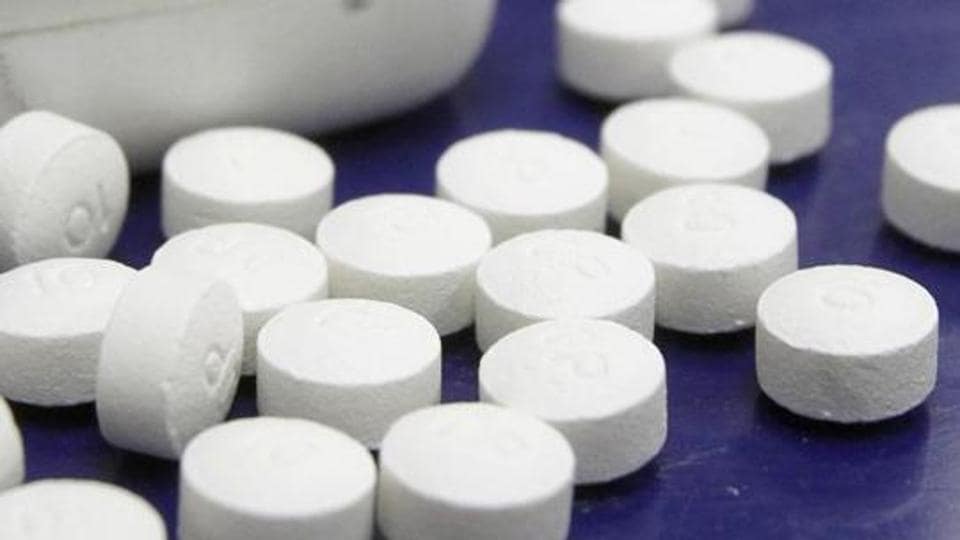
The new draft rules require online pharmacies to be registered with the Central Drugs Standard Control Organization (CDSCO) and obtain a trade licence — applicable across India — from any state government. As per the estimates, the total e-pharma industry is less than 0.5% of the retail pharmacy landscape currently, but is growing at more than 100% rate.
“Any person who intends to conduct business of e-pharmacy shall apply for the grant of registration to the Central Licensing Authority through the online portal of the Central Government,” reads the notification.
The drugs sold online would need prescription and the pharmacy will have to maintain a detailed record. However, there should be strict confidentiality and no patient information should be leaked domestically or internationally. There should also be facility for customer support and grievance redressal.
The draft rules also ban sale of narcotics, psychotropic drugs and tranquillizers.
“The work to regulate online pharmacies, or e-pharmacies, has been going on for the past two-three years. We had created a rough draft earlier and made it public for comments. In the final draft that has been Gazette notified, we have incorporated all relevant suggestions,” says Dr S Eswara Reddy, Drug Controller General of India (DCGI).
The ministry decided to make amendments to the Drugs and Cosmetic Rules, 1945, to include e-pharmacies as with the growing e-commerce in India, online pharmacies have also been becoming popular in India.
A consultative committee on e-pharmacies was formed in 2015, which after 86 deliberations submitted its report to the DCGI in 2016. “We are not against online stores as we understand it is beneficial for people who cannot access medical stores due to chronic conditions or for people who live in difficult-to-reach terrains where some medicine may not be available. The online store will be of great help in such circumstances, which is why we have made it easier for them to obtain the licences,” Reddy said.