E-Paper



Hyderpora encounter: SC dismisses plea for exhuming body
A bench of justices Surya Kant and JB Pardiwala noted there is no right of exhumation after authorities duly buried the a body following appropriate rituals

 Prefer HTon Google


The Supreme Court on Monday declined a plea for exhuming the body of Amir Latief Magrey, one of the four people killed in Hyderpora in Jammu & Kashmir (J&K)’s Budgam district in November last year, and handing it over to his family for burial.
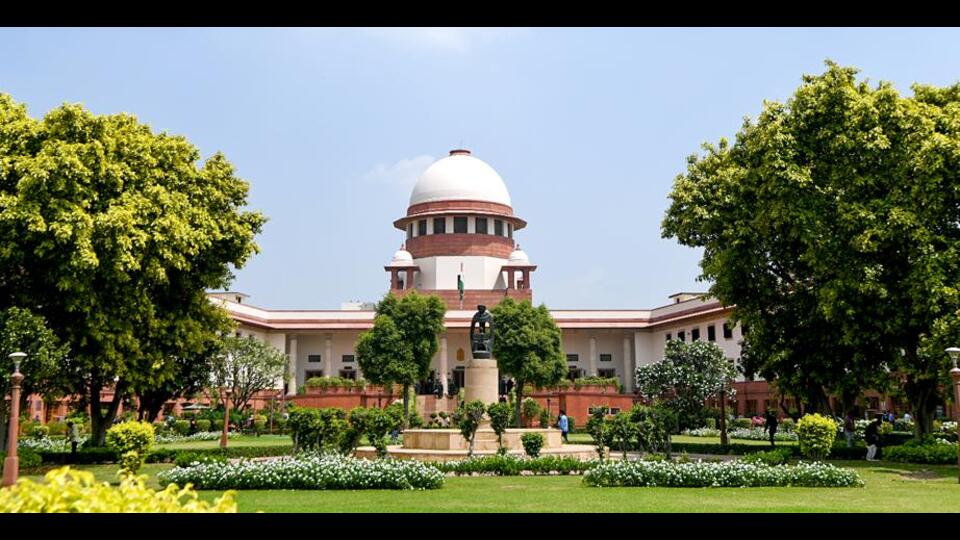
A bench of justices Surya Kant and JB Pardiwala noted there is no right of exhumation after authorities duly buried the body following appropriate rituals amid concerns about the possible “law and order situation”. It upheld the J&K high court order of letting the family offer prayers at Magrey’s grave and ₹5 lakh compensation.
The four were killed near Srinagar on November 15, 2021. Police said all of them were terrorists and buried their bodies in Kupwara, over 80 km away, even as the families of the four dismissed the claims. After a public outcry, the J&K administration buckled under pressure and exhumed the bodies of two of the four, Altaf Ahmad Bhat and Mudasir Gul, and handed them over to their families. Magrey’s family moved the high court in December seeking his body for burial.
In May, a single bench of the high court directed the government to facilitate transportation of his body to his native village in Jammu’s Gool Ramban. It said that if the body is “highly putrefied” and its exhuming could cause a risk to the public, the administration would pay ₹5 lakh to the family as compensation.
After the administration challenged this order, a division bench of the high court refused to allow the exhumation. It permitted a maximum of 10 family members to perform Fatiha Khawani (prayers) at the Wadder Payeen graveyard in Kupwara. The bench also upheld the ₹5 lakh compensation.
Magrey’s family moved the Supreme Court saying that exhumation was necessary for the religious last rites that the state could not usurp.
Senior advocate Anand Grover, representing Magrey’s father, argued the last rites are a healing process for the emotional injury inflicted upon the family by denying them the opportunity to have a decent burial. Grover submitted the petitioner has been supporting the army against the militancy in the Kashmir Valley but now he has been demoralised.
“By not allowing the exhumation of the mortal remains and carrying out the ceremony at Wadder Payeen, the petitioner’s fundamental rights under Articles 21 [right to life and liberty] and 25 [right to practice and profess religion] are violated,” Grover said.
Ardhendumauli Kumar Prasad, appearing for the J&K administration, opposed the plea arguing Magrey was a terrorist and the digital evidence submitted to the high court showed all Islamic last rites were performed while burying his body. He added the exhumation could not be allowed on the ground of state security and law and order. Prasad said allowing the same would open a floodgate of similar requests and would raise serious security concerns.
On August 29, the top court reserved its judgment in the matter.