
 E-Paper



IAF assesses effects of sleep deprivation on fighter pilots’ performance
Insufficient sleep can lead to increased error rates, decreased levels of alertness and lapses in judgment.


The Indian Air Force is experimenting with the sleeping pattern of its fighter pilots to find out how fatigue affects flight performance in an unforgiving environment.
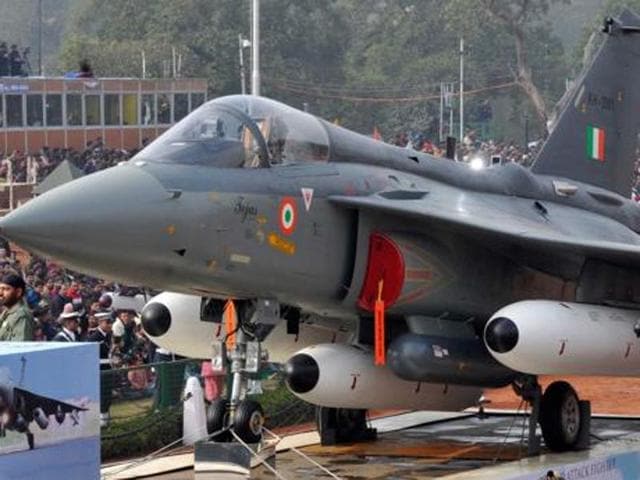
A sleep deprivation study conducted on 40 fighter pilots has revealed significant deviations in their performance and now the IAF will kick off field studies on a larger scale, officers familiar with the research told Hindustan Times.
Insufficient sleep can lead to increased error rates, decreased levels of alertness and lapses in judgment.
The experiment is being conducted by the IAF’s Institute of Aerospace Medicine and Defence Institute of Physiology and Allied Sciences.
Several international air forces including those of US, UK and Germany have conducted such studies to improve flight safety and come up with countermeasures for fatigue.
“Subjects are not allowed to sleep when they normally do and tested on various flight parameters. And then they are tested again in a well-rested state,” said an IAF officer, involved in the study.
“We have observed noticeable deviation from optimal flight performance”.
The IAF is using a monitoring system developed by IIT Kharagpur to assess how fatigue impairs performance.
The system is similar to psychomotor vigilance task monitor used globally for measuring reaction time of pilots under different stages of sleep deprivation, said an aviation medicine specialist.
“We want to develop a system that allows us to quickly assess if a pilot is fatigued during the morning briefing. Fighter pilots have to stay sharp at all times,” said a senior IAF officer.
The scope of the IAF study will also cover the effects of “go pills” and “no-go pills” that Indian fighter pilots are authorised to use during training for specific combat missions.
The IAF allows its fighter pilots to use Modafinil, a “go pill” that helps them stay alert and focused during long sorties.
They can also pop Zolpidem, a “no-go pill” used to promote sleep after demanding day-night missions.
“The idea is to send a fully alert fighter pilot to the cockpit and be aware of his sleep pattern and the effects of pills on his performance,” said Air Marshal Pawan Kapoor, who heads the IAF’s medical wing.


