
 E-Paper



IMD warns of extreme heat between April and June; peak power demand likely to rise
IMD predicts above-normal maximum temperatures in most regions this April, except for some parts of western and eastern India.

 Prefer HTon Google


India is set to face hotter-than-usual temperatures from April to June, with central, eastern, and northwestern plains expected to witness more heatwave days, the India Meteorological Department (IMD) said on Monday.
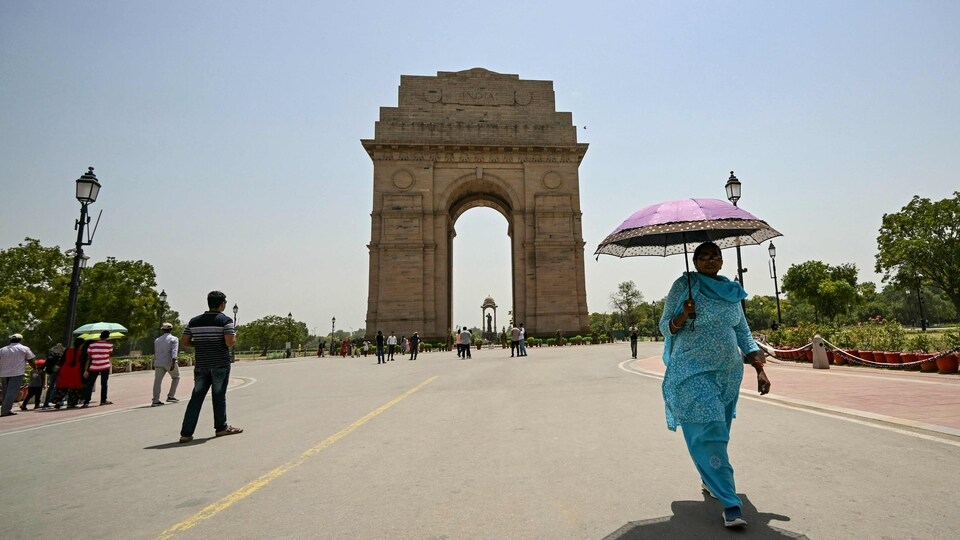
Rising temperatures may increase the risk of water shortages and strain the power grid as air conditioner usage surges.
IMD director general Mrutyunjay Mohapatra said that several areas could experience more heatwave days than usual during this period. "From April to June, most parts of north and east India, central India, and the plains of northwest India are expected to experience two to four more heatwave days than normal," he said.
Most regions will likely see higher-than-normal maximum temperatures in April, except for some parts of western and eastern India, where temperatures are expected to remain normal. Minimum temperatures will also be above normal in most areas.
Typically, India records four to seven heatwave days between April and June.
Northwest India likely to face double the heatwave
An IMD official said earlier that northwest India could experience twice the usual number of heatwave days this summer compared to the normal five to six days.
States expected to see above-normal heatwave days include Rajasthan, Gujarat, Haryana, Punjab, Madhya Pradesh, Maharashtra, Uttar Pradesh, Bihar, Jharkhand, West Bengal, Odisha, Chhattisgarh, Telangana, Andhra Pradesh, and the northern parts of Karnataka and Tamil Nadu.
In April, maximum temperatures are likely to be higher than usual across most of India, except for some extreme southern and northwestern areas where they may remain normal.
Mohapatra said minimum temperatures will also be above normal in most regions, though some parts of the northwest and northeast might see normal or slightly below normal temperatures.
Rising heat an economic threat?
According to news agency PTI, experts have cautioned that India should prepare for a 9-10% rise in peak electricity demand this summer, as the country is expected to witness more heatwave days.
In 2023, India's peak electricity demand surpassed 250 gigawatts (GW) on May 30, exceeding projections by 6.3%. One of the key drivers of rising electricity demand is climate change-induced heat stress.
The forecast follows an unusually warm March, raising concerns about potential damage to wheat crops currently being harvested. A drop in production could push the government to reduce or remove the 40% import duty on wheat, according to a Bloomberg report. India had already restricted exports since 2022 after the hottest March in over a century impacted output, leading to measures to control food prices.
Higher temperatures will also increase coal consumption in power plants to prevent blackouts in the world's most populous country. Ensuring an uninterrupted power supply is critical to providing relief from the heat and supporting hospitals in managing heat-related illnesses.
With a record peak electricity demand anticipated this summer, policymakers have instructed power plant operators to avoid maintenance shutdowns during this period. While coal stockpiles at power stations have risen by 16 per cent compared to last year, efforts are ongoing to ensure smooth distribution across regions.
Government estimates suggest peak power demand could reach 270 GW this year, surpassing last year's record high of 250 GW, according to Bloomberg.
Additionally, demand for diesel may rise as people travel to cooler mountain regions to escape the heat, and the use of diesel-powered generators could increase in areas experiencing blackouts.


