E-Paper



‘Roar gets louder’: Evidence of tiger breeding brings cheer in Kaziranga despite floods
This is the first evidence of tiger breeding in the protected area, a buffer of Kaziranga National Park and Tiger Reserve (KNPTR).

 Prefer HTon Google


Amid reports of wild animal deaths due to floods, photos of a tigress and two cubs captured on a camera trap inside Assam’s Laokhowa Burhachapori wildlife sanctuary have brought cheer to forest officials and conservation activists.
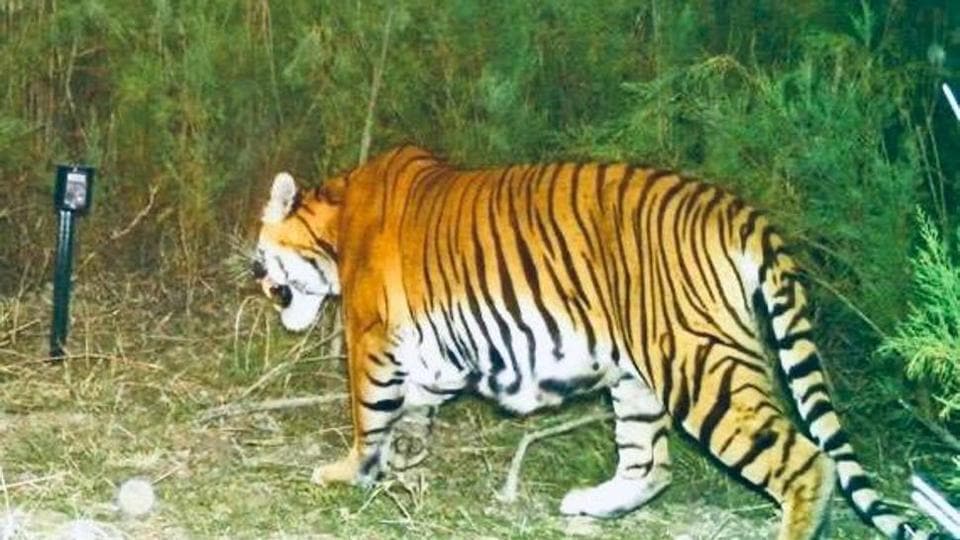
This is the first evidence of tiger breeding in the protected area, a buffer of Kaziranga National Park and Tiger Reserve (KNPTR). “Roar gets louder. First ever camera trap evidence of successful breeding of tigers in Laokhowa Burhachapori wildlife sanctuary, buffer of Kaziranga Tiger Reserve. Result of more than 15 years of hard work and effort. Kudos,” KNPTR posted on Twitter on Sunday.
“The area was brought under KNPTR in 2007 and conservation efforts renewed. Before we started our efforts, the area was under grip of encroachers. There used to be around 240 cattle stations inside Laokhowa-Burhachapori. We removed the encroachments and now the area is protected” said P Sivakumar, director, KNPTR.
“The camera trap photo confirms breeding of tigers in Laokhowa Burhachapori for this first time. This is a significant development and will strengthen tiger conservation efforts,” said M Firoz Ahmed, head of tiger research and conservation division at Aaranyak, a Guwahati-based wildlife NGO.
Nearly 85% area of KNPTR, spread over 430 sqkm, is inundated by floodwater at present. This monsoon, 129 wild animals, including 14 rhinos have died in and around the park.