
 E-Paper



India, China in corps commander level meet agree to maintain stability at LAC
Corps commanders of the two countries held talks on the Chinese side of the Chushul-Moldo border meeting point on December 20, just 11 days after several Indian and Chinese soldiers were injured in a clash along the Line of Actual Control (LAC) at Yangtse, located near Tawang in Arunachal Pradesh


Against the backdrop of India-China border tensions spreading to the Arunachal Pradesh sector, senior military commanders of the two sides held talks this week but there was no indication of forward movement in addressing the 30-month face-off in Ladakh sector.
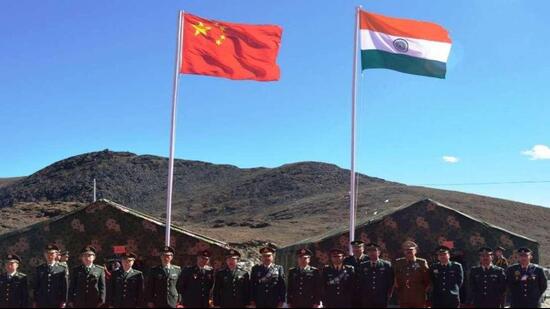
Corps commanders of the two countries held talks on the Chinese side of the Chushul-Moldo border meeting point on December 20, just 11 days after several Indian and Chinese soldiers were injured in a clash along the Line of Actual Control (LAC) at Yangtse, located near Tawang in Arunachal Pradesh.
Also Read: Why is Tawang in Arunachal Pradesh important to China?
The two sides agreed at Tuesday’s meeting to maintain “security and stability on the ground in the Western Sector” of the LAC, according to a joint statement issued on Thursday. “The two sides agreed to stay in close contact and maintain dialogue through military and diplomatic channels and work out a mutually acceptable resolution of the remaining issues at the earliest,” the statement read.
People familiar with the matter said the meeting of military commanders was in the pipeline for some time before the Tawang clash, and the two developments were not linked. The Indian side had been seeking dates for the meeting, which largely focused on the Ladakh sector, the people said.
This was the third meeting of the military commanders of India and China this year and the 17th round of talks overall since the standoff in the Ladakh sector began in May 2020. A brutal clash at the Galwan Valley in June 2020, which killed 20 Indian soldiers and at least four Chinese troops, took bilateral relations to an all-time low.
The military commanders built on the progress made after their last meeting on July 17 and exchanged views on the “resolution of the relevant issues along the LAC in the Western Sector in an open and constructive manner”, the joint statement read.
The statement described the discussions as “frank and in-depth” and in line with the guidance provided by the leaders of the State to work for the resolution of remaining issues at the earliest in order to help restore “peace and tranquillity along the LAC in the Western Sector and enable progress in bilateral relations,” the statement added.
The meeting of military commanders in July resulted in the disengagement of Indian and Chinese troops at Gogra Hot Springs in September. Dozens of rounds of diplomatic and military talks have resulted in disengagement on the north and south banks of Pangong Lake, Galwan Valley and Gogra. However, there has been no breakthrough on friction points such as Depsang and Demchok and the two sides have more than 60,000 troops each and advanced weaponry deployed in the Ladakh sector.
Also Read: IAF Garud Special Forces deployed from Ladakh to Arunachal Pradesh along China border: Report
The December 9 Tawang clash turned the spotlight on lingering issues with China on the eastern frontier at a time when the Chinese side is engaged in a major push to build up military infrastructure such as airfields and missile sites in the western sector. This infrastructure includes hardened aircraft shelters, surface-to-air missile sites, a robust radar network, and more hangars and runways at airbases.
New Delhi has said Chinese troops tried to transgress the LAC at Yangtse and change the status quo along the contested border but were pushed back by Indian soldiers.
“The ensuing face-off led to a physical scuffle in which the Indian Army bravely prevented the Chinese People’s Liberation Army (PLA) from transgressing into our territory and compelled them to return to their posts,” defence minister Rajnath Singh said in Parliament.
Air Vice Marshal (retired) Manmohan Bahadur said the Indian side would have pushed for disengagement at Depsang and Demchok.
“These areas are critical but the joint statement implies nothing has happened. The prolonged deployment is taking a toll on manpower and equipment but our services have planned for this. Ultimately, it boils down to the numbers in terms of funding and manpower,” he said.


