
 E-Paper



India lodges strong protest with Pakistan over election in Gilgit-Baltistan
India lodged a strong protest against Pakistan’s decision to hold Gilgit-Baltistan Assembly elections, reiterating that the region is an integral part of Jammu and Kashmir.

 Prefer HTon Google


India on Friday lodged a strong protest against the Pakistan government’s move to hold an election for the legislative assembly in Gilgit-Baltistan, a strategic mountainous region that New Delhi claims as part of the undivided erstwhile state of Jammu and Kashmir.
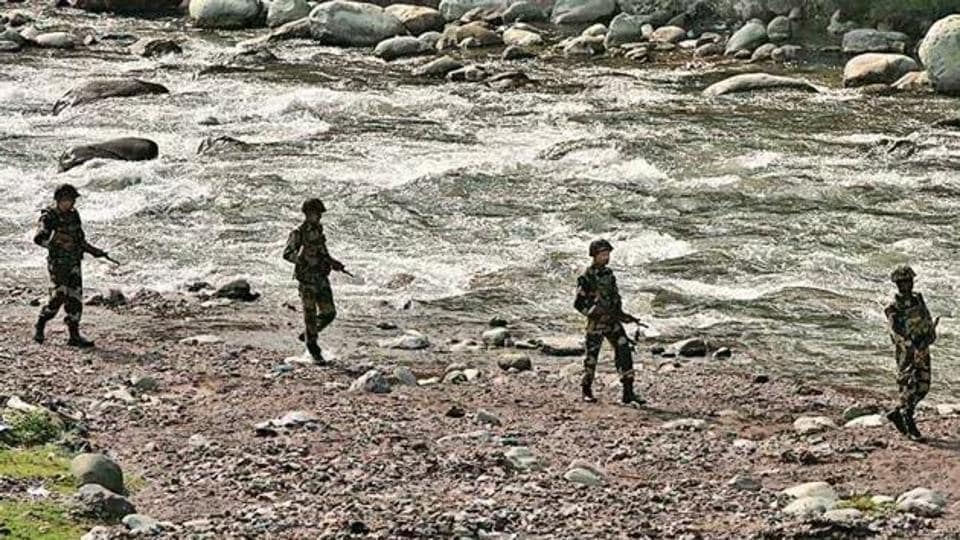
The Pakistan government plans to hold an election to the 33-member Gilgit-Baltistan Assembly on June 7. The polls were originally scheduled for January but were put off because of the harsh weather conditions in the region.
The external affairs ministry said India had lodged a strong protest with Pakistan regarding the holding of “general elections” to the “so-called ‘Gilgit-Baltistan Assembly’ in the Indian territories illegally and forcibly occupied by Pakistan”.
The Indian government reiterated its well-known position that the entire union territories of Jammu and Kashmir and Ladakh, “including the so-called ‘Gilgit-Baltistan’”, are integral and inalienable parts of India as a result of “complete, legal and irrevocable accession of Jammu and Kashmir to India in 1947”, the ministry said in a statement.
The Indian side emphasised that “such endeavours by Pakistan cannot mask the underlying issues of grave human rights violations, political repression, economic exploitation and denial of freedom” in territories illegally occupied by Pakistan.
“The government of India categorically rejects any attempts by Pakistan to bring material change to areas under Pakistan’s illegal occupation, and underlines that such actions cannot hide the fact that Pakistan illegally remains in possession of Indian territories, which it must vacate,” the statement said.
India has protested against the holding of elections in Gilgit-Baltistan by Pakistani authorities in the past too. It has also lodged protests over the inclusion of the region in the China-Pakistan Economic Corridor (CPEC).
In 2018, the Pakistan government transferred the powers of an Islamabad-controlled council for Gilgit-Baltistan to a local assembly. Earlier, the Gilgit-Baltistan Empowerment and Self-Governance Order issued in 2009 renamed the Northern Areas as Gilgit-Baltistan, and the region was given province-like status but without representation in Pakistan’s Parliament.
Pakistan Prime Minister Shehbaz Sharif on Sunday reviewed security preparations for holding the election in Gilgit-Baltistan. More than 5,000 security personnel have been deployed in the region, and Sharif told interior minister Mohsin Naqvi during a meeting that the government will take every step to “support the democratic process”.



