
 E-Paper





Follow the latest breaking news, major developments and agenda-setting stories from India and around the world with the newsdesk at Hindustan Times. Operating round the clock, the desk brings together experienced editors, reporters and correspondents to deliver fast, accurate and contextual reporting across subjects that influence public policy, governance, business, society and international affairs. The HT News Desk covers politics, elections, government policies, the economy, business and markets, science and technology, the environment, law and order, infrastructure, education, climate issues and geopolitics, while closely tracking developments across states, institutions and global capitals. The team also leads coverage of major breaking news events, policy announcements, court proceedings, natural disasters, public emergencies and significant international developments. Reports published by the newsdesk are based on information gathered from reporters on the ground, official statements, government agencies, court records, regulatory filings, recognised institutions and other authoritative sources. Stories undergo editorial scrutiny and verification processes to ensure accuracy, fairness and relevance, and are updated as events evolve and additional information becomes available. Whether covering a key political decision in New Delhi, an economic policy shift affecting millions, a landmark court ruling or a major global event, the HT News Desk aims to provide readers with reliable, fact-based journalism that delivers not only the latest developments but also the context and analysis needed to understand their wider implications.
India okays new ground rules for airlines that could end stand-off with US
Indian government officials ensured that even though American airlines were allowed to proceed with their own ground-handling, they still incorporated measures required by Indian security agencies.


The Indian government has cleared the way for the resolution early in the New Year of an escalating row with the United States over ground-handling operations by their respective airlines that could have led to “severe tensions” and potentially ended Air India flights to America.
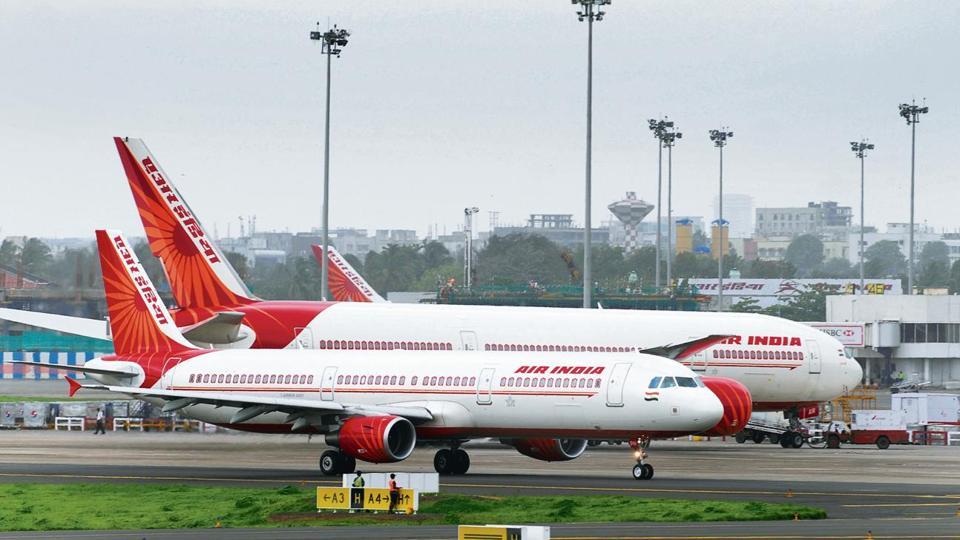
The Modi government approved December 26 a Standard Operating Procedure that would allow designated foreign airlines - from the United States in this instance - to manage their own ground-handling, something that is called self-handling, which would include security functions, according to people associated with the discussions.
They also said Indian officials have informally conveyed the decision to the Americans and are expected to notify them formally in the first week of January. This would be followed by the United States lifting its ban on Indian airlines conducting their self-handling at American airports.
The US department of transportation slapped the ban on July 31 after protracted negotiations with Indian authorities over permission to FedEx, the world’s largest airline for freight tonnage, to let them conduct their own ground-handling operations. Indian security agencies had taken over this function in 2018.
The transportation department has overarching mandate over the Federal Aviation Administration (FAA), the American counterpart of India’s civil aviation regulator DGCA.
The United States had argued the new system was in contravention of the “open skies” bilateral agreement from 2005, which allowed self-handing.
Indian officials dealing with these negotiations had feared that further lack of progress would have led to “severe tensions” and graver consequences such as the “possibility of Air India not being allowed to fly to the US”.
These people said Indian ambassador to the US Harsh Vardhan Shringla, who is now headed back for New Delhi as the next foreign secretary, took an aggressive approach to resolving the issue given his focus on “problem solving” and “nipping the problem in the bud”.
It was a version of the same “drop everything, and all hands on board approach” the embassy displayed had on his watch in previous instances. Right from dealing with the situation arising from the apprehension of 600 Indian students enrolled in a fake university in January to the threat of violence from pro-Khalistan protestors the same month. Or during the discussions to restore preferential US trade benefits to India, which remains part of ongoing trade discussions.
The embassy followed up the issue “diligently and step by step” with the ministries concerned. And when the time came, it was escalated to “senior levels” and security agencies were forced to “back off”, paving the way for the adoption of a Standard Operating Procedure, put together following discussions with Americans around September.
It permitted American airlines to do their own ground-handling but also made them incorporate measures required by Indian security agencies.
The package was ready for announcement during Prime Minister Narendra Modi’s visit in September for the UN general assembly and a meeting with President Donald Trump.
But it was decided not to make the announcement as discussions were under way for the trade deal, which was to be the big-ticket draw, according to those familiar with these developments.
An announcement is now expected in the first week of January, or shortly after. And that will be a fitting resolution for India and the United States to ring in the New Year.


