
 E-Paper



India's strong reaction after China renames 11 places in Arunachal Pradesh
India strongly reacted after China renamed 11 places in Arunachal Pradesh, which it claims as South Tibet, and said it “rejected this outright”.

 Prefer HTon Google


India on Tuesday strongly reacted after China renamed 11 places in Arunachal Pradesh, which it claims as South Tibet, and said it “rejected this outright”. Ministry of external affairs spokesperson Arindam Bagchi made it clear that “Arunachal Pradesh is, has been, and will always” be an integral part of India.
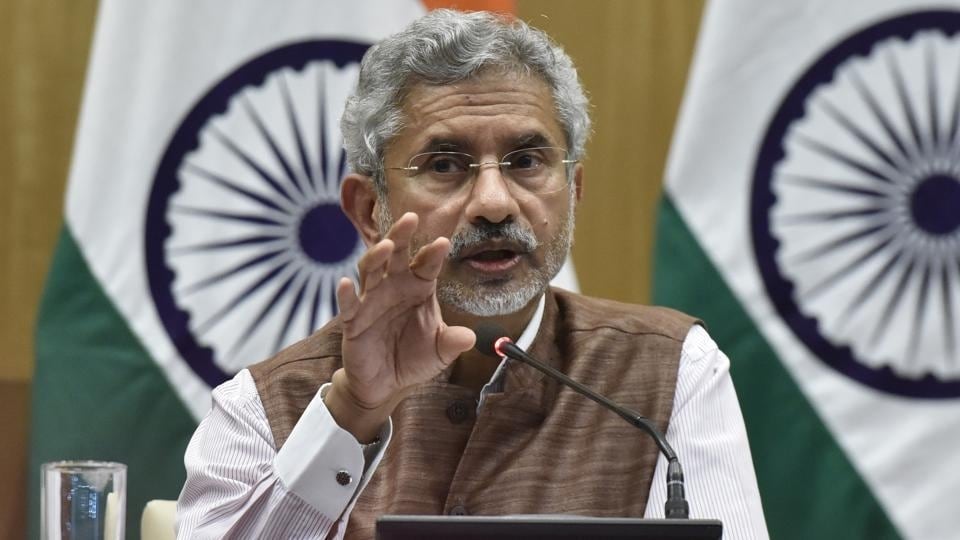
"We have seen such reports. This is not the first time China has made such an attempt. We reject this outright. Arunachal Pradesh is, has been, and will always be an integral and inalienable part of India. Attempts to assign invented names will not alter this reality,” Bagchi said in a statement.
The changed names include that of mountain peaks, rivers and residential areas. This was the third time China has unilaterally renamed places in Arunachal Pradesh, having done it in April 2017, and in December 2021.
Also Read: Beijing to keep Arunachal Pradesh pot boiling by renaming exercise
The renaming in the past too was promptly rejected by India, with New Delhi reiterating that the northeastern state will always remain an integral and “inseparable” part of India.
“According to the relevant regulations of the State Council (China’s cabinet) on the management of geographical names, our ministry, together with relevant departments, has standardised some geographical names in southern Tibet,” China’s civil affairs ministry said in a short statement on Sunday.
It means that names of the places in Tibetan will from now also be available in Pinyin - the standard romanisation of Mandarin characters - on Chinese maps.
The change in names will not have any direct impact on the places in Arunachal Pradesh listed in the 11.
Meanwhile, China on Tuesday said it had standardised the names of some places in its South Tibetan region, and had a sovereign right to do so, after India rejected Beijing's move, news agency Reuters reported.
In 2017, the name changes were carried out on April 13, a day after Tibetan spiritual leader Dalai Lama left Arunachal Pradesh following a high-profile nine-day high visit. Beijing calls the Dalai Lama a splittist, and says he wants to create an independent country of Tibet.


