
 E-Paper



India says will push ahead for parity in diplomatic presence with Canada
India sought parity in diplomatic presence soon after Canada’s PM Justin Trudeau linked Indian agents to the killing of Khalistani leader Hardeep Singh Nijjar

 Prefer HTon Google


NEW DELHI: India on Thursday said it will push ahead with a proposal for parity in diplomatic presence with Canada amid a row over the killing of Khalistani leader Hardeep Singh Nijjar, even as it dismissed Ottawa’s contention that the move is not in line with the Vienna Convention.
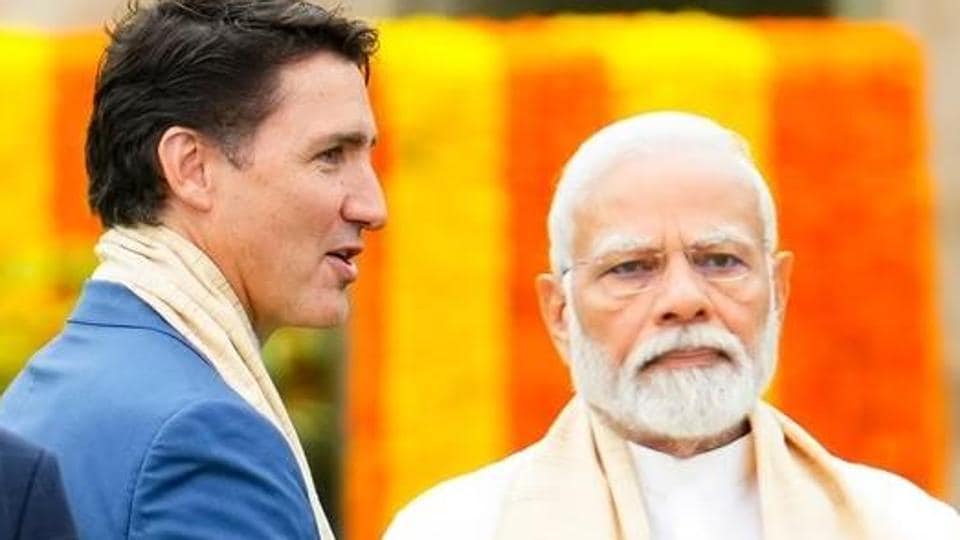
The Indian side sought parity in diplomatic presence soon after Canada’s Prime Minister Justin Trudeau alleged Indian government agents were linked to the killing of Khalistani leader Hardeep Singh Nijjar, designated a terrorist by New Delhi, in Surrey town in June. India has dismissed the accusation as “absurd” and both sides expelled one senior diplomat each soon after the row erupted.
Media reports citing unnamed Canadian officials said India has sought the withdrawal of 41 out of 62 Canadian diplomats posted in the country by October 10. The Indian side has not confirmed these figures.
“Let me stress that we remain committed to what we said – that is, ensuring parity in our diplomatic presence. We remain engaged with Canadian authorities on the modalities of achieving that,” external affairs ministry Arindam Bagchi told a regular media briefing.
“From our part, I can assure you that everything India is doing is in compliance with the Vienna Convention on Diplomatic Relations,” he said.
Bagchi didn’t deny a report in the Financial Times about a “secret meeting” between external affairs minister S Jaishankar and his Canadian counterpart Mélanie Joly in Washington. “We have been in touch with the Canadians at various levels. Regarding any specific interaction, I don’t have any particular information to share.”
The Financial Times on Wednesday cited an unnamed Canadian official as saying that Ottawa hasn’t withdrawn any diplomats from New Delhi before the deadline of October 10. The report added that India has cited the Vienna Convention to justify its call for parity, but this argument was rejected by Canada.
Canada has more diplomats in its missions in Indian cities than India has in Canada because it operates a larger visa processing operation that mainly caters to relatives of the roughly 1.6 million Canadians of Indian origin.
When Bagchi was asked about Trudeau raising Nijjar’s killing, in the context of the rule of law, during conversations with world leaders on the attacks in Israel, he replied: “I don’t know how this helps address the core issue.”
The core issue is the “space given by Canada to terrorists and criminal elements”. Bagchi added, “As regards upholding international conventions in conversations, we would urge Canada to take more seriously their international obligations to provide security to our diplomats and their premises.”



