
 E-Paper



India unveils roadmap to revamp military by 2047
India's defence ministry unveiled a plan to transform its military by 2047 into a modern, integrated force

 Prefer HTon Google


NEW DELHI: India on Tuesday unveiled a road map to transform its military into a world-class force by 2047—when the country marks the centenary of its Independence —through a series of measures including wide-ranging strategic reforms, capability enhancements and organisational changes.
The defence ministry said the overarching goal of the reform is to enable the military to tackle new geostrategic, technological and security realities.
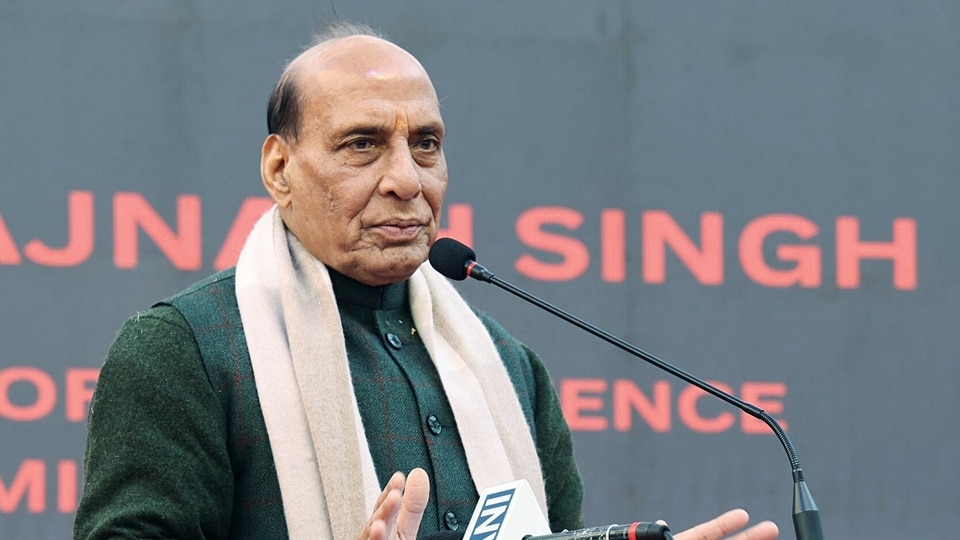
The document “Defence Forces Vision 2047: A Roadmap for a Future-Ready Indian Military,” released by defence minister Rajnath Singh, is a comprehensive blueprint to transform the armed forces into “a modern, integrated and technologically-advanced military capable of supporting India’s aspiration to become Viksit Bharat by 2047,” according to a statement.
It was published at a time when wars are raging in different parts of the world and the latest technologies, including artificial intelligence, are being leveraged for favourable outcomes. The Indian military is also looking at how technological advancements continuously change the nature of warfare and how these changes affect operational planning, tactics and strategies.
“It envisages transforming the military into an integrated, multi-domain and agile force capable of deterring adversaries, responding across the full spectrum of conflict and protecting expanding strategic interests amid rapidly changing global and regional dynamics,” the defence ministry said.
Singh released the document in the presence of the chief of defence staff, the three service chiefs, and the defence secretary.
A central pillar of the vision is emphasising jointness and synergy among the services, and promoting greater coordination in planning, operations and capability development, it said.
Last year, Singh said jointness in the military --- a prerequisite to the creation of theatre commands --- cannot be achieved through structural reforms alone but will also require a change in mindset, and the challenges involved will have to be tackled through dialogue and understanding, stressing that tri-service integration is a must for survival in a fast-changing security environment.
“The document also highlights the importance of innovation, advanced technologies, and a modern training framework to build a force adaptable to future warfare challenges,” the ministry said. It comes at a time when India is working towards integrating artificial intelligence, machine learning-based surveillance, cyber defence systems, and automated response mechanisms into its security framework.
The document also focuses on self-reliance in defence, encouraging the development and adoption of indigenous technologies and solutions tailored to the country’s unique security requirements. “Strengthening domestic defence manufacturing and technological capabilities is expected to enhance operational readiness while contributing to national growth.”
India’s arms imports fell 4% between 2016-20 and 2021-25, but the country remains the world’s second-largest importer of military hardware, accounting for 8.2% of global weapon imports, a Stockholm International Peace Research Institute (Sipri) report said on Monday.
The vision document, the ministry said, adopts a calibrated road map with clearly prioritised capability goals across short-term, mid-term and long-term timelines. “This structured approach will guide the development of critical military capabilities, institutional reforms and strategic partnerships required to build a world-class defence force,” it said.
Through sustained reforms, innovation and national commitment, the document aims to ensure that by the centenary of India’s Independence, its military stands as a globally-respected, technologically-advanced and combat-ready force, contributing to a strong and resilient Viksit Bharat, the ministry added.


