E-Paper



India welcomes Iran-Israel truce, reiterates concern about stability in region
The Indian side has closely monitored the latest developments related to the Iran-Israel conflict, including the US action against Iran’s nuclear facilities

 Prefer HTon Google


India on Tuesday welcomed reports of a ceasefire between Iran and Israel after 12 days of hostilities but reiterated its concerns about sustained security and stability in West Asia.
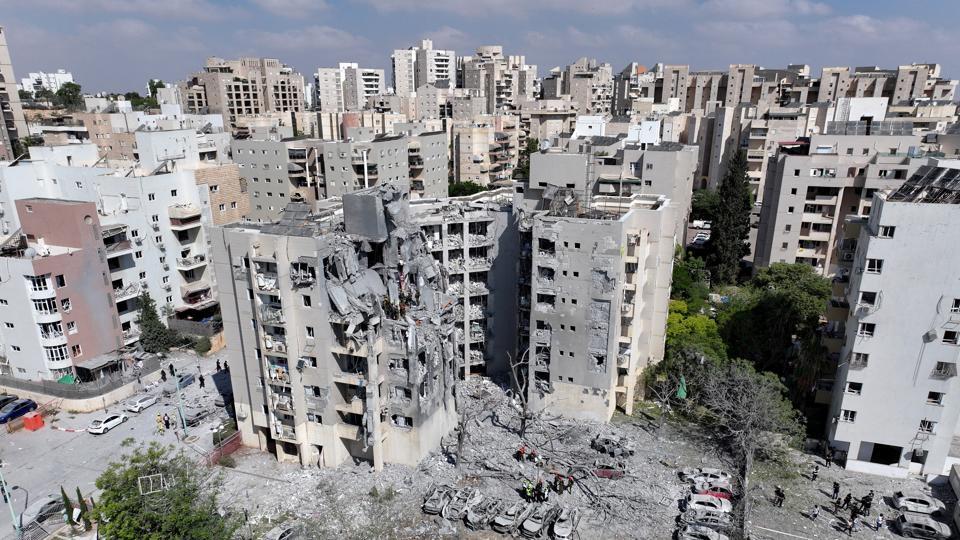
Iranian state-run television has reported that the truce had begun. Subsequently, Israeli Prime Minister Benjamin Netanyahu said in a statement that his country had agreed to a ceasefire proposal announced by US President Donald Trump overnight.
Track live updates on the Israel-Iran conflict here
Iran launched six waves of missiles against Israel before the deadline for the ceasefire announced by Trump. Israel retaliated by destroying a radar installation near Tehran before deciding to refrain from additional attacks following a conversation between President Trump and PM Netanyahu.
“While we remain deeply concerned about the prospects for overall and sustained regional security and stability, we welcome reports of a ceasefire between Iran and Israel and the role played by the US and Qatar in bringing it about,” the external affairs ministry said in a statement.
The Indian side has closely monitored the latest developments related to the Iran-Israel conflict, including the US action against Iran’s nuclear facilities on Sunday and the subsequent Iranian retaliation against US military bases in Qatar.
“We wish to reiterate that there is no alternative to dialogue and diplomacy in order to address and resolve the multiple conflicts in the region,” the external affairs ministry said.
“India stands ready to play its part in these efforts and hopes that all concerned parties will work towards sustained peace and stability,” it said.
India, which has close strategic ties with both Iran and Israel, had urged both countries to return to dialogue and diplomacy since the hostilities were triggered by unilateral Israeli military strikes on June 13. New Delhi had watched the intensification of hostilities with growing concern as West Asia is a significant source of oil and gas and home to more than nine million Indian expatriates.
Till Tuesday, India had evacuated nearly 3,200 Indian nationals from Iran and Israel. There are about 10,000 Indians in Iran, many of them students, and more than 32,000 Indians in Israel.
Amid the hostilities, India distanced itself from a statement issued by the Shanghai Cooperation Organisation (SCO) that denounced Israel’s attacks on Iran.
When Iranian President Masoud Pezeshkian dialled Prime Minister Narendra Modi on Sunday to discuss the regional situation, the Indian leader expressed deep concern at the escalation of hostilities and called for dialogue and diplomacy to restore peace and stability in West Asia.