
 E-Paper



India-China 14th round military dialogue fails to move forward
The 14th round of military talks were constructive but without any positive outcomes. Both Indian Army and PLA commanders will meet again while working towards mutually acceptable solutions.

 Prefer HTon Google


The 14th round of India-China military dialogue on Wednesday failed to yield any positive outcomes but both countries decide to work towards mutually acceptable solutions to resolving the Ladakh LAC stand-off. The next round is expected to be held soon to continue the momentum of discussions.
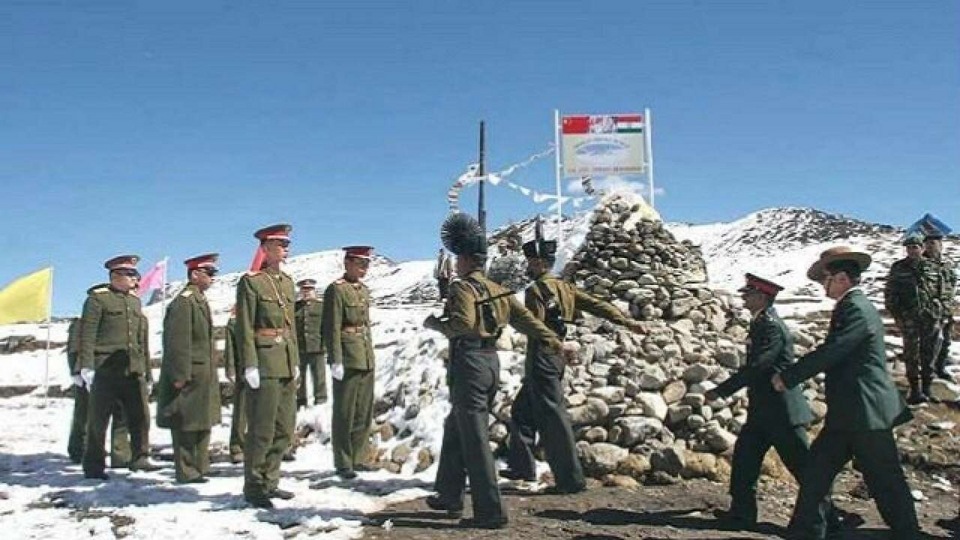
While both sides are scheduled to come out with press statements today, the Indian side clearly failed to persuade the PLA towards disengagement from Gogra-Hot Springs near Kongka La as well as resolving patrolling rights issues in Depsang Bulge in Daulet Beg Oldi sector and Charding Nullah Junction in Demchok sector.
In pure diplomatic language, the talks were constructive without any positive outcome and reaching mutually acceptable solutions is work in progress. This means both the Indian Army and the PLA commanders will continue to engage in future but there is no guarantee on whether the PLA will restore April 2020 status quo ante in Gogra-Hot Springs or resolve the Depsang Bulge or CNJ issue.
The Indian Army apparently raised the issue of PLA building a bridge over Pangong Tso, east of Srijap Complex, for faster troop deployment and rapid militarisation of the occupied Aksai Chin area by the Chinese Army all along the 597-km Ladakh LAC.
Fact is that the PLA with new border law and rapid military and technological upgradation on their side of the unresolved LAC is converting the 3,488 km line into Line of Control.
Both the Indian and PLA armies are locked in a stand-off all along Ladakh LAC since the Chinese Army under instructions from the Central Military Commission under President Xi Jinping decided to unilaterally change the LAC and impose the rejected 1959 cartographical line on the Ladakh LAC in May 2020. Since then the two sides are fully deployed with more than three divisions of troops on each side with missile, rocket, artillery and tank regiments apart from the Air Force being on standby in the hinterland. The PLA by transgressing in Pangong Tso, Galwan, Gogra-Hot Springs area in May 2020 broke the bilateral 1993 and 1996 peace and tranquility agreements signed at the level of heads of states.
While for China’s wolf warrior diplomats this is the new normal, the Modi government has rejected these aggressions and decided to bilateral relations in a cold storage till such time Beijing does not resolve the Ladakh LAC.


