
 E-Paper



Indian agencies point to Pak link in anti-CAA protests
HT learns that Indian intelligence agencies have picked up cross-country electronic chatter where people believed to be Pakistani operatives are berating their sources for not organizing enough crowds for anti-CAA protests on March 3-4 despite the funding at their disposal.

 Prefer HTon Google


The government has specific evidence that Pakistan’s deep state played a part in amplifying anti Citizenship Amendment Act protests all over country through funding and direction, even as Islamabad has made an all out effort to equate Delhi riots with 2002 Gujarat riots at the ongoing meeting of UN Human Rights Council at Geneva.
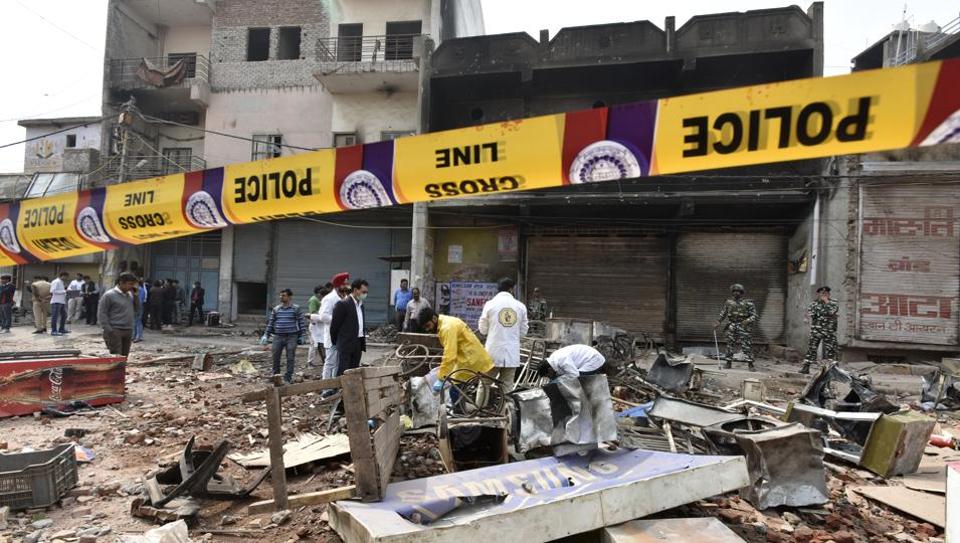
HT learns that Indian intelligence agencies have picked up cross-country electronic chatter where people believed to be Pakistani operatives are berating their sources for not organizing enough crowds for anti-CAA protests on March 3-4 despite the funding at their disposal. In one such call, heard by HT, the handler curses his contact and adds that he has to explain the lack of crowds to his higher ups. While the context of the call is clear, HT cannot establish when it was made, or the identity of the two speakers,
Analysts here say that while the Delhi riots have been contained at significant human and material cost, it is quite natural that Pakistan and its friends try and use it as an instrument to radicalize young Muslims in north India against the Narendra Modi government through videos and speeches. A similar modus operandi was adopted after the 2002 riots in Gujarat, they add. Islamabad’s cause is being helped by other states such as Iran and Turkey as part of their effort to pitch for leadership in the Shia and Sunni world of Islam.
Even as Rawalpindi GHQ fishes in troubled waters in India, it has gone flat out to defame India in the UN bodies by talking about Muslim killings and persecution by the NDA government. The Imran Khan government, however, does not ever use the word CAA in its allegation, the analysts point out, as the law is designed only to help persecuted minorities in Pakistan among other neighbourhood countries.
At the on-going UN Human Rights Council meeting in Geneva, Pakistan has missed no opportunity to pillory India for working against its Muslim minority. While it avoided doing this in the “high level segment” last month, Islamabad has gone on an offensive in thematic discussions this month without reflecting on its own treatment of minorities such as Balochs, Pashtuns and Ahmediyas under the Imran Khan regime, diplomats familiar with the matter say.
They add that there are almost daily protests by some of these persecuted communities in Pakistan outside the UNHRC headquarters in Geneva.
Making a national statement at the UNHRC, Pakistan’s permanent representative warned the Council on “India’s drift towards fascism and rank communalism…” and asked the High Commissioner to “prevent violence and ensure safety of Muslims in Delhi” and elsewhere in the country.
Exercising the right to reply, Pakistan said: “ Those who have been fed with the silver spoon of extremist ideologies by fascist organization RSS can only indulge in intolerance, bigotry and violence.”
When the UN special rapporteur on freedom of religion did not mention or castigate India, the Pakistani representative questioned the silence by raising the issue of “state sponsored” violence , the diplomats said. In none of these statements and interjections at the UN does the term CAA figure.


