
 E-Paper



Is compensation enough for man-made disasters?
On May 27th last year, following a leak, a terrifying blowout all but annihilated the area. Images of giant flames and intense smoke haunted India.


A few days ago, farming and fishing communities in Nigeria were allowed to sue the Dutch company, Shell, in England. Their livelihoods, health and the ecosystem have been ruined by repeated oil spills. They didn’t expect much from the Nigerian courts. This news took my mind to communities around the Indian Oil owned Bhagjan oil well.
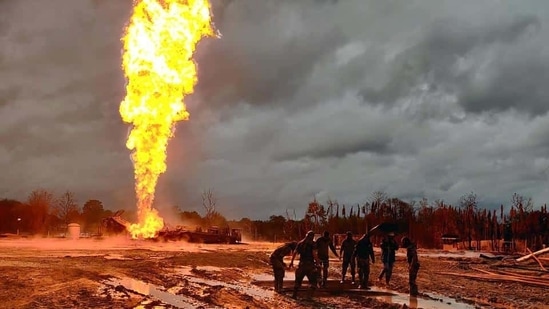
On May 27th last year, following a leak, a terrifying blowout all but annihilated the area. Images of giant flames and intense smoke haunted India. The carcass of an endangered Gangetic Dolphin floated, skin peeled off. Thousands of locals fled, assets lost. Next door, two of the world’s most precious biodiversity hotspots reeled.
The Dibru-Saikhowa biosphere reserve, home to birds found nowhere else, and Manguri Bheel, a unique wetland. Oil even reached the Lohit River. Compensation is in place, but one might ask if a one-time payment adequate. Is compensation a holistic, fair way to handle this blot on the planet?
I think not. Indian Oil must obviously pay significant cash compensation to displaced communities. It must invest in impactful local livelihoods and education. Clean-ups are imperfect, but they must start.
That’s not enough. Indian Oil must pay for unprotected land in a similar ecosystem in Assam, and nurture it with intense external monitoring. Our government should set in place a technically able team to monitor environmental and occupational safety in the extraction and manufacturing sector per se, reporting back to Parliament. Companies should deposit compensatory funds before they work. Nothing less is acceptable.
(The writer is founder and director Chintan Environmental Research and Action Group)


