
 E-Paper



ISRO launches next-gen satellite for real-time GPS timing. 7 things to know
NVS-01 is the first of the second-generation satellites envisaged for the Navigation with Indian Constellation (NavIC) services.
Updated on: May 29, 2023, 11:10:11 IST

 Prefer HTon Google
Share via


Copy link

Indian Space Research Organisation (ISRO) launched next-generation navigational satellite with GSLV rocket from Andhra Pradesh's Sriharikota on Monday with an aim to get real-time positioning and timing services.
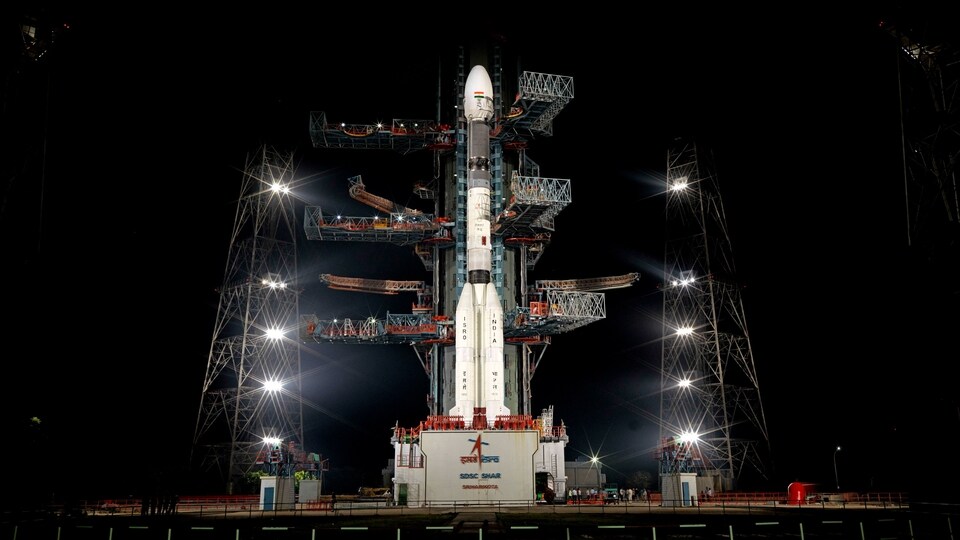
The satellite would provide real-time positioning and timing services over India and a region approximately 1,500 km around the mainland.
Read here: ISRO launches next-gen navigational satellite NVS - 01
According to ISRO, NVS-01 is the first of the second-generation satellites envisaged for the Navigation with Indian Constellation (NavIC) services. NVS series of satellites will sustain and augment the NavIC with enhanced features.
Here are the 7 points of the NVS - 01 satellite:
- This series incorporates L1 band signals additionally to widen the services. For the first time, an indigenous atomic clock will be flown in NVS-01.
- The 51.7 metre tall Geosynchronous Satellite Launch Vehicle, on its 15th flight, carried the navigation satellite NVS-01 weighing 2,232 kg.
- After a flight of about 19 minutes, the NVS-O1 satellite was injected precisely into a Geosynchronous Transfer Orbit. Subsequent orbit-raising manoeuvres will take NVS-01 into the intended Geosynchronous orbit, ISRO further added.
- Nearly after 20 minutes of flight, the rocket is scheduled to deploy the satellite in a geosynchronous transfer orbit (GTO) at an altitude of about 251 km, ISRO said.
- The NVS-01 carries navigation payloads L1, L5 and S bands and in comparison to the previous one, the second-generation satellite series would also carry an indigeneously developed Rubidium atomic clock.
- The NavIC series include features like terrestrial, aerial and maritime navigation, precision agriculture, location-based services in mobile devices and marine fisheries, among many others.
- This mission is the sixth operational flight of the GSLV with indigenous cryogenic stage. The mission life of NVS-01 is expected to be better than 12 years, ISRO said.
(With inputs from agencies)


