
 E-Paper



‘Itna bhayankar…’: Nitin Gadkari explains why he doesn't like living in Delhi
Union minister Nitin Gadkari expressed concern over Delhi's severe pollution affecting his health, prompting him to reconsider travel to the city.

 Prefer HTon Google


Union minister Nitin Gadkari has voiced concerns over Delhi’s alarming pollution levels, saying they directly affect his health and make him hesitant to visit the national capital.
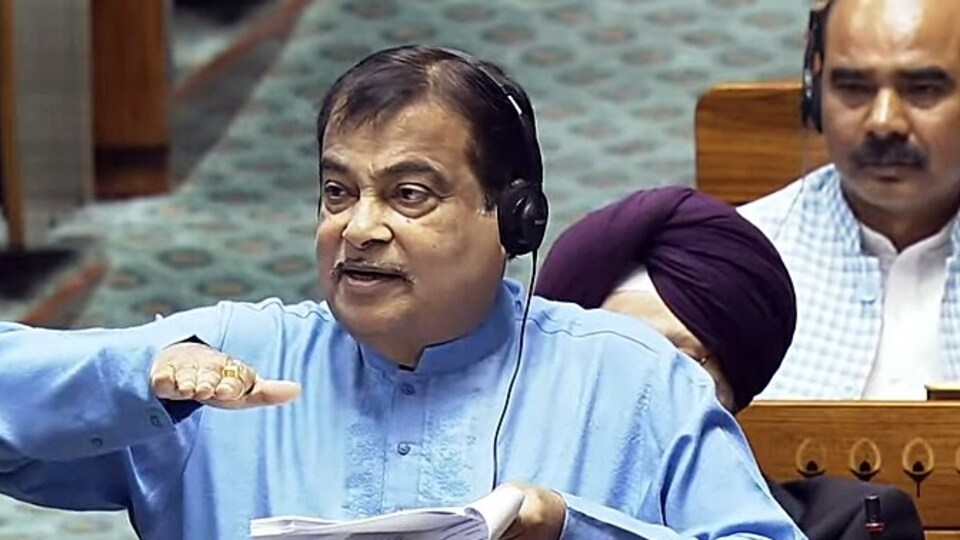
At an event in New Delhi on Tuesday, the senior Bharatiya Janata Party leader and Nagpur MP said Delhi’s deteriorating air quality is a key reason many avoid spending time there.
Also read: 2 years of sukhu govt: Congress ready with list of feats, BJP to corner govt over its ‘failures’
"I often question whether or not I should travel to Delhi. Nitin Gadkari said in Hindi, “Itna bhayankar pollution hain” (the pollution is really awful).
He claimed that he usually reconsiders visiting the nation's capital because of the bad air quality, which makes him ill.
“I don't enjoy living here. Because of the pollution here, I become infected. Before coming here, I had to spend two hours doing pranayama [yoga asana],” he continued.
In addition to discussing the economic and environmental difficulties caused by India's overreliance on fossil fuels, the Union minister for road transport and highways, recommended moving towards alternate energy sourcesto fight pollution.
Also read: SC lifts Grap-4 pollution curbs in Delhi-NCR
He stated, “We can reduce the import of fossil fuels by encouraging alternative fuels.” He pointed out that India imports fossil fuels at a cost of ₹22 lakh crore a year.
Civil groups alarmed as Delhi's Air Quality improves
Nitin Gadkari's comments come even as Delhi's air quality improved somewhat this week, falling to the “moderate” category on Thursday with an Air Quality Index (AQI) of 165, down from 178 the day before.
Following this improvement, the Center's air quality panel scaled down measures to Stage 2, which prohibits the use of coal and firewood in industries, and loosened harsh limitations under the Graded Response Action Plan (GRAP).
Civil society organisations, meanwhile, have persisted in sounding the alarm about Delhi's deteriorating air pollution problem. In Parliament, a petition was filed Thursday, calling on MPs to confront what campaigners described as a "unprecedented environmental and public health disaster."
Also read: Delhi’s air quality remains moderate; slight rise in pollution levels
Citing statistics from the Central Pollution Control Board (CPCB), the petition stated that Delhi's air quality index (AQI) had been classified as "poor" or "very poor" since September, with dangerous levels of 1,500 to 2,000 recorded throughout the winter months.
It also emphasised the serious health effects of pollution, stating that pollution-related causes account for 1.7 million deaths in India each year and lower life expectancy by 3.57 years countrywide and up to 12 years in Delhi.


