
 E-Paper



Just Like That | Delhi’s brief winter beauty, when the city rediscovers grace
The Delhi winter is a mood, an aesthetic, almost a cultural event. The sunlight, filtered through a gauze of fog, has the softness of nostalgia

 Prefer HTon Google


There is a moment, somewhere between the retreat of Diwali celebrations and the arrival of Lohri’s bonfires, when Delhi changes its temperament. The debilitating pollution dispels, the air turns sharper, the mornings stretch languidly in a fine mist, and even the trees seem to pause for reflection. The city—so given to noise, haste, and a certain unrepentant vulgarity—slows down and rediscovers grace. It is winter in Delhi, that brief and beautiful reprieve.
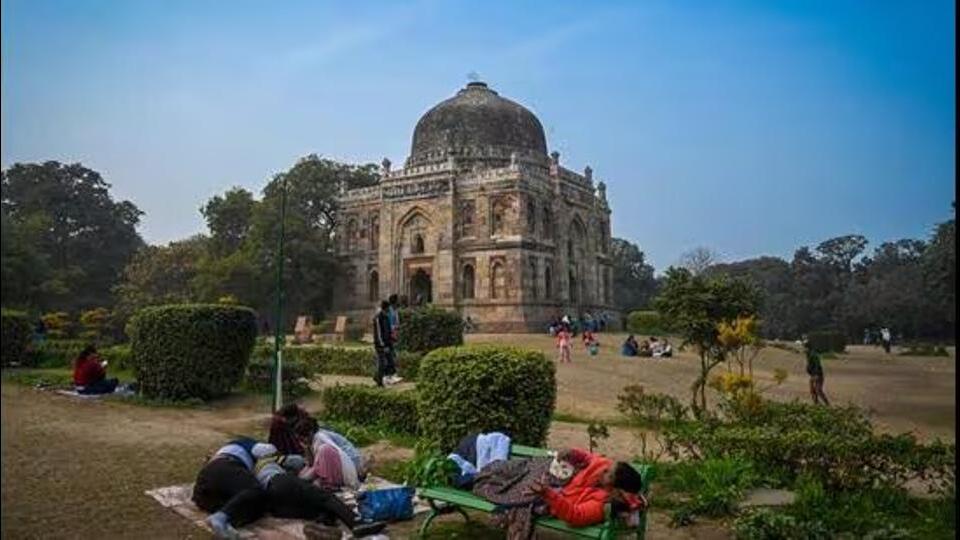
The Delhi winter is a mood, an aesthetic, almost a cultural event. The sunlight, filtered through a gauze of fog, has the softness of nostalgia. The avenues—Lodhi Road, Shanti Path, and the colonial sweep of Kartavya Path—are lined with flowerbeds that suddenly awaken from their long dormancy. Marigolds nod their golden heads in rows of cheerful obedience. Pansies and petunias smile shyly from municipal gardens. Chrysanthemums, with their extravagant curls, fill the air with an old-fashioned pride.
To walk through Lodhi Gardens in December is to understand why the city endures. The morning walkers—wrapped in mufflers, woollen shawls, and sometimes improbable layers of sweaters—share the pathways with the flutter of bougainvillea and the silent dignity of the tombs. The grass, still wet with dew, glistens in the slanting sun. Around the rose garden, the scent is faint but persistent, a delicate punctuation to the rhythm of joggers’ feet. Even the most harried pause for a moment to admire how the roses—deep crimson, coral pink, or the elusive ivory—seem to bloom without pretension.
In the residential colonies of the city, the gardeners are busy in these months. The mali, an institution in himself, becomes an artist. His tools are modest: a trowel, a watering can, and the unhurried wisdom of experience. But his canvas is the winter garden, and his palette is dazzling—dahlias the size of dinner plates, delicate phlox, shy calendulas, and the understated grace of alyssum edging the flowerbeds. There is, in these gardens, a quiet domestic pride. The lady of the house will speak of her flowers as if introducing old friends.
But the real drama of Delhi’s winter unfolds not only in its gardens but also in its kitchens. This is the season when food acquires an almost sensual immediacy. In the early mornings, roadside vendors stir vast iron kadais of gajar ka halwa—the grated red carrots gleaming like rubies in molten ghee. The aroma alone is enough to lure even the most disciplined health freak off the treadmill of restraint.
In the bylanes of Old Delhi, the smoke of kababs mingles with the sweetness of jalebis, and nihari simmers in giant pots. The winter vegetables—fresh spinach, tender methi, mustard greens—find their apotheosis in sarson ka saag, that most earthy of dishes, paired inevitably with a makki ki roti glistening under a generous pat of white butter. The North Indian instinct for comfort finds its fullest expression in these months: soups bubbling on gas stoves, roasted peanuts crackling by the roadside, and cups of adrak chai served with unembarrassed generosity.
The city’s vegetable markets are themselves a winter spectacle. At INA Market or the one in CR Park, the colours are enough to make even the most indifferent shopper linger. Cauliflowers sit like small white crowns; turnips blush modestly; and fresh peas invite the tactile pleasure of shelling. There is a poetry in these vegetables, a reminder that seasonality once defined our eating habits. In an age of air-conditioned uniformity, the appearance of red carrots and crisp spinach feels almost like a brief return to the rhythms of the earth.
Winter is Delhi’s true ‘party season’, when weddings erupt across the city like fireworks, lawns are transformed into temporary kingdoms of light, and sartorial elegance—jamewar and pashmina shawls, elegant blazers and bandhgalas—becomes a mesmerizing kaleidoscope. Buffets groan under the weight of gastronomic ambition: steaming biryanis, grilled fish, and tandoor-hot rotis. There is also the aroma of rum-soaked plum cake at a Christmas gathering, or the tang of kanji, that fermented beetroot or carrot drink made in old glass jars. What binds all this together is a certain languor. People read books on verandas, sunlight slanting across the pages. Families picnic at the city’s many gardens, with thermos flasks of tea and home-cooked aloo parathas in hand.
Unfortunately, for a week or two, fog—or more accurately, smog—arrives stealthily, Delhi’s dismal winter companion. Then the Qutub Minar becomes a ghostly silhouette and the India Gate fades into myth. Flights are delayed, trains go astray, and the poor and the homeless shiver. Much more needs to be done for them, both by civil society and the government.
By late February, the flowers begin to wilt; the air loses its crispness. The mali stores his tools; the gajar ka halwa gives way to mango ice cream. The people of Delhi, resilient as ever, return to their air-conditioners and desert coolers. But for those who have lived here long enough, the memory of the season lingers—a sensory collage of colour, scent and taste. In its brief flowering, the Delhi winter reminds us that beauty, like warmth, is most deeply felt when it is about to leave.
Pavan K Varma is an author, diplomat, and former member of Parliament (Rajya Sabha). The views expressed are personal


