E-Paper



Lok Sabha probe panel finds Justice Yashwant Varma guilty in cash-at-home case
The incident came to light after a fire broke out in the official residence of Justice Varma on the night of March 14 last year.

 Prefer HTon Google


The three-member inquiry committee probing allegations against Allahabad High Court judge justice Yashwant Varma has found all three articles of charge against him proved, holding that his explanation regarding the discovery of a large quantity of unaccounted currency at his official residence was “evasive” and “misleading”.
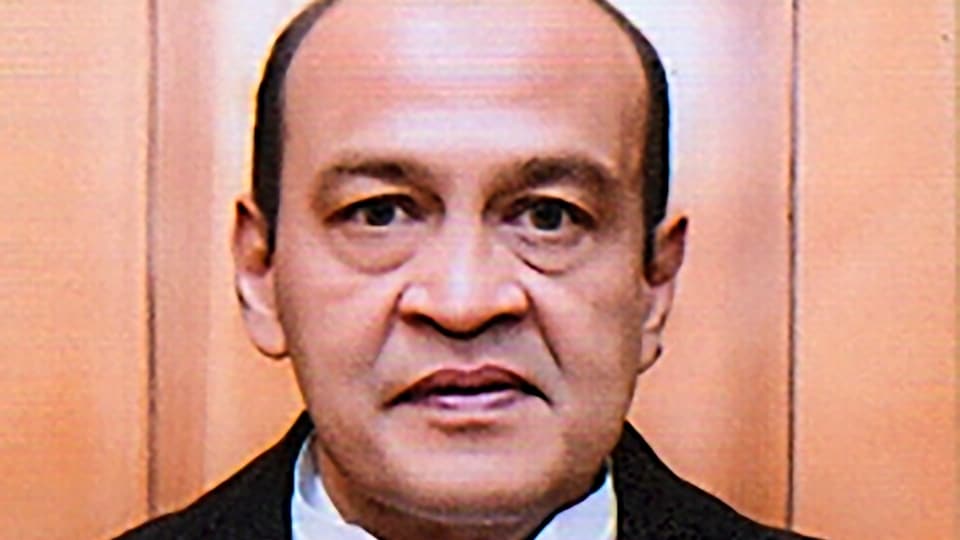
The report, tabled in both Houses of Parliament on Wednesday, stopped short of holding that the currency belonged to justice Varma for want of substantial evidence establishing personal ownership. But it rejected his defence that he had no knowledge of the cash or responsibility for what happened to it after it was discovered following a fire at his official residence in Delhi on March 14, 2025.
Also Read | Can Parliament act against a judge who has already resigned? Constitutional puzzle in ex-judge Varma's case
“The cumulative record therefore establishes the presence of substantial currency notes within the official premises, failure to satisfactorily explain its presence, failure to preserve the material, later non-availability of the currency notes, and absence of any substantiated defence capable of displacing the evidence led before the Committee,” the 126-page report said.
The committee comprised Supreme Court judge justice Aravind Kumar, then Bombay high court chief justice Shrikrishna Chandrashekhar, who has since been elevated to the Supreme Court, and senior advocate BV Acharya.
Also Read | ‘For cheap publicity’: SC junks plea for criminal probe against Justice Varma
The panel rejected justice Varma’s contention that the storeroom where the cash was found was beyond his control. It noted evidence concerning a locked cabinet containing his personal articles in the room and held that the circumstances established a sufficient connection between the judge and the premises. The first article of charge was consequently held proved.
The committee was also critical of the failure to preserve the burnt currency after the fire.
While it did not find direct evidence that justice Varma himself physically removed the cash, it held him responsible for failing to ensure preservation of material evidence from premises under his institutional control. It also examined the role of people attached to his household and establishment in the handling of the storeroom and currency. The second article of charge was held proved.
Also Read | ‘Deep anguish...’: Inside justice Yashwant Varma's resignation letter to President
The panel was particularly critical of justice Varma’s explanation during the inquiry. It examined his initial denial of any knowledge of the currency and his subsequent allegations of conspiracy, planting of cash and deficiencies in the collection and preservation of evidence. The committee found that these explanations failed to account for the presence of the cash or displace the evidence before it.
It also drew an adverse inference from justice Varma’s decision not to enter the witness box and subject himself to cross-examination. The committee said his defence was “false” in parts and found his overall explanation evasive and misleading. The third article of charge was also held proved.
Also Read | ‘Inquiry marked by unfairness': Justice Yashwant Varma withdraws from cash-pile probe after resignation
The findings follow an earlier in-house inquiry ordered by then Chief Justice of India Sanjiv Khanna after the controversy erupted in March 2025. After that panel found justice Varma’s explanation unsatisfactory, CJI Khanna asked him to resign or face the constitutional process for his removal. Justice Varma declined and the report was forwarded to the President and Prime Minister.
Parliamentary removal proceedings followed, with the Lok Sabha admitting a motion against him and constituting the statutory inquiry committee. Justice Varma, however, resigned from judicial office on April 9, 2026, while the parliamentary inquiry was underway.
It remains to be seen whether the tabling of the report marks the end of the matter, or whether Parliament can still consider the implications of the findings and explore the possibility of pursuing proceedings for justice Varma’s removal through impeachment despite his resignation.