
 E-Paper



K Annamalai’s rise in BJP: Ex-IPS officer turned Tamil Nadu party chief after 2021 election debut
K Annamalai will not contest the Tamil Nadu 2026 assembly elections.
Published on: Apr 26, 2026, 15:04:26 IST

 Prefer HTon Google
Share via


Copy link

K Annamalai is a former Indian Police Service officer who resigned in 2019 and joined the Bharatiya Janata Party. He served in the Karnataka cadre, working as Superintendent of Police in districts like Udupi and Chikkamagaluru, before moving into politics and quickly rising within the party in Tamil Nadu. He was the state BJP president and is focused on strengthening the party’s organisational base across the state.
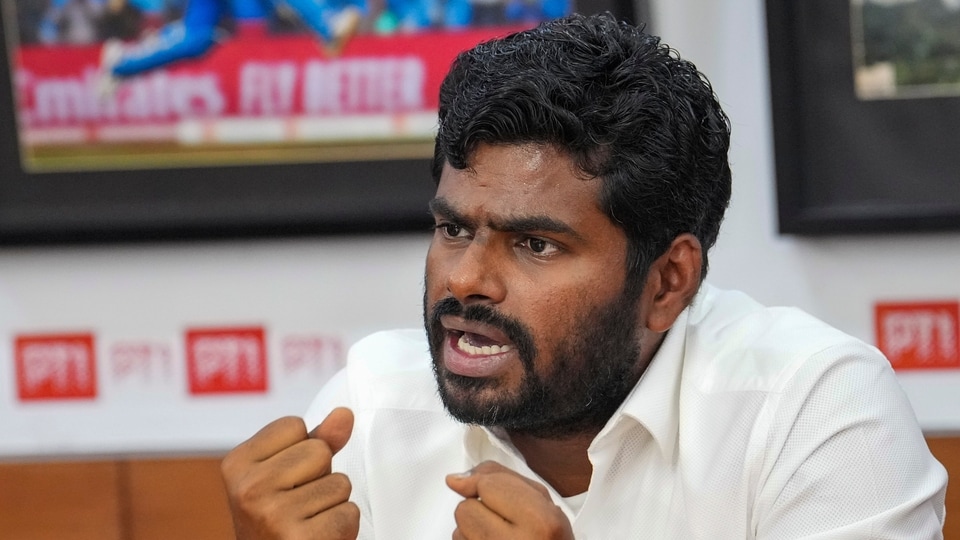
He contested his first major election in the 2021 Tamil Nadu Assembly polls from Aravakurichi, where he lost to DMK candidate R. Elango. Elango secured 93,369 votes against Annamalai’s 68,553 votes, resulting in a margin of 24,816 votes.
5 key facts about K. Annamalai
- K. Annamalai resigned from the Indian Police Service in 2020 after nearly nine years of service (2011 Karnataka cadre), where he served in field postings including SP roles in districts like Udupi and Chikkamagaluru.
- He entered active politics in 2020 and joined the BJP during a phase when the party held only about 2.6% vote share in Tamil Nadu
- In the 2021 Tamil Nadu Assembly elections, he contested from Aravakurichi among 234 constituencies; the BJP won 4 seats overall in that election.
- Despite losing, his campaign involved extensive on-ground mobilisation with high-frequency rallies, making him one of the most visible BJP faces in Tamil Nadu politics post-2021.
- After the elections, he was appointed state BJP president and has since led multiple statewide outreach drives and yatras aimed at expanding the party’s booth-level organisation in a state dominated by DMK and AIADMK politics


Get the latest India News, breaking headlines and real-time updates from across the country. Stay informed about politics, government policies, crime, weather major national developments and Karnataka Bandh LIVE.


