
 E-Paper



Karnataka likely to get above-normal rainfall during pre-monsoon season
Karnataka is expected to receive above-normal rainfall during this year's pre-monsoon season, after witnessing temperatures higher than usual in February.


Karnataka is expected to receive above-normal rainfall during this year's pre-monsoon season, with higher rainfall anticipated in April and May.
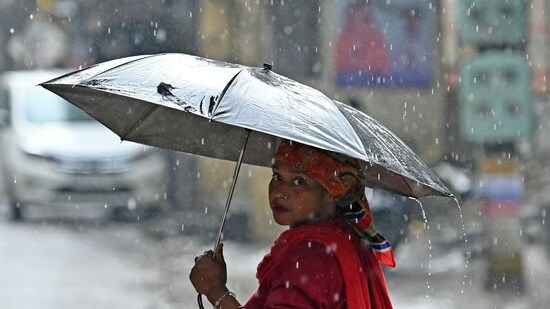
Officials cited in a news agency PTI report said that although February temperatures were 2.5 degrees Celsius higher than usual, the pre-monsoon season is expected to bring above-average rainfall.
Revenue minister Krishna Byre Gowda chaired a cabinet sub-committee on Thursday to discuss the 2025 Rabi and Monsoon seasons, agriculture, drinking water supply, weather conditions, and reservoir water levels.
Officials briefed the ministers, saying "above-normal rainfall is expected during the pre-monsoon season, with good rainfall in April and May.
"There is also a likelihood of increased rainfall in the last week of February and March. However, rainfall during the Rabi season has been below average, and precipitation from October to December is expected to decline," the officials said.
They added that there would be above-normal rainfall in the pre-monsoon season with good rainfall expected in April and May. There would also be some more rainfall possibly occurring sometime in the last week of February to March.
Rabi season has seen below-average rainfall, and the total rainfall from October to December is set to see a deficiency.
Revenue minister issues directives about drinking water
Amid shortage of water, the revenue minister Krishna Byre Gowda directed officials to ensure that there is no shortage of drinking water across the state and to take necessary precautions.
“Karnataka’s 14 key reservoirs currently hold 535.21 TMC of water, around 60 per cent of the average storage. Last year, at the same time, the storage was 332.52 TMC," a statement from revenue minister's office said.
The cabinet sub-committee also reviewed the current water storage in major reservoirs. Gowda stressed the concerns about the decreasing water levels in certain reservoirs, stressing that careful planning is essential to manage available water, considering irrigation requirements and future drinking water needs.
Also Read: Rise in max temp expected across northwest India over next 4 days
The Water Resources Department has been directed to prepare a clear report in coming months, and most importantly, ensure that drinking water needs are prioritised before releasing any water for irrigation.
The statement said, “The supply of drinking water through tankers and borewells remains an ongoing issue due to water shortages and declining water quality. Currently, drinking water is being supplied by tankers and borewells to 66 villages across 13 taluks in five districts: Chikkaballapur, Chitradurga, Tumakuru, Bengaluru Urban, and Ramanagara.”
The statement further added, “Additionally, drinking water is being supplied through tankers and borewells to 56 urban wards in Chikkaballapur, Bengaluru Urban, and Kolar districts. The meeting also focused on identifying more villages that may soon face a water crisis.”
The Rural Development and Panchayat Raj Department has been instructed to make comprehensive preparations by reviewing past measures and consider additional steps to address drinking water issues.
The Rural Development and Panchayat Raj Department has been directed to review past measures and curate a comprehensive preparations and considering additional steps to address drinking water issues. Officials stated that a full report will be presented at the next Cabinet Sub-Committee meeting.
The revenue minister also mentioned that ₹488.30 crore will be available from the Disaster Relief Fund (PD accounts) for all Deputy Commissioners and Tahsildars to ensure that financial constraints do not hinder the provision of relief.


